May 23, 1618 Defenestrations of Prague: Historical Event
On May 23, 1618, a pivotal event took place in the heart of Europe that would ignite a conflict reshaping the continent for decades to come. Known as the Defenestrations of Prague, this incident marked the beginning of the Thirty Years’ War and forever altered the course of history. In this article, we will delve into the events leading up to this fateful day, the key players involved, and the far-reaching consequences of the defenestrations on the political landscape of Europe. Join us as we unravel the intrigue and significance of this momentous historical event.
The Background of the May 23, 1618 Defenestrations of Prague
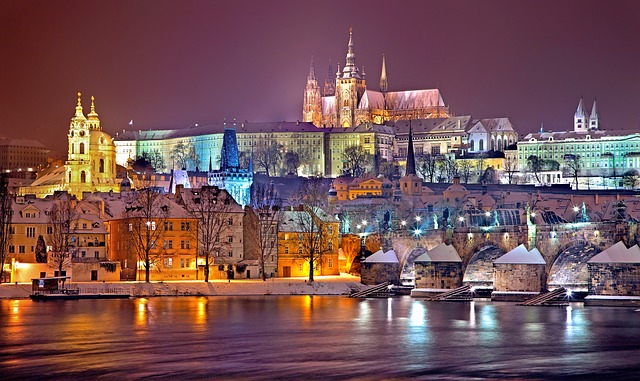
The Defenestrations of Prague that occurred on May 23, 1618, were a series of events that marked the beginning of the Thirty Years’ War. The conflict stemmed from religious tensions between Protestants and Catholics in the Holy Roman Empire. The defenestrations took place in Prague Castle, where two Catholic officials were thrown out of a window by Protestant nobles in protest against the Catholic monarchy’s interference in Protestant religious practices.
The first defenestration resulted in the deaths of the two officials, while the second defenestration saw them survive the fall due to landing on a dung heap. These events escalated tensions between the two religious factions and eventually led to the outbreak of war. The defenestrations of Prague serve as a significant historical event that highlighted the deep-seated religious conflicts and political power struggles of the time, paving the way for a long and devastating war in Europe.

Key Players Involved in the Event
During the May 23, 1618 Defenestrations of Prague, the key players involved in this historical event were:
- Matthias, Holy Roman Emperor: As the ruler of the Holy Roman Empire at the time, Matthias played a significant role in the events leading up to the defenestrations. His death in 1619 would spark the beginning of the Thirty Years’ War.
- Ferdinand II, King of Bohemia: Ferdinand II was appointed as the King of Bohemia in 1617, and his Catholic policies ignited tensions among the Protestant nobles in Bohemia, ultimately leading to the defenestrations.
These key players, along with various other political and religious figures of the time, were instrumental in shaping the outcome of the May 23, 1618 Defenestrations of Prague and the subsequent events that would unfold.

Causes and Motivations Behind the Defenestrations
The defenestrations of Prague on May 23, 1618, were a series of events that marked a turning point in the Bohemian uprising against the Habsburg monarchy. The main motivations behind these actions were rooted in political, religious, and social tensions that had been brewing for years.
:
- Religious Conflict: The Protestant Bohemians felt oppressed by the Catholic Habsburg rulers and sought to defend their religious freedoms.
- Political Frustrations: The Bohemians were dissatisfied with the centralization of power under the Habsburgs and wanted more autonomy.
- Social Unrest: The peasantry and lower classes were discontent with their economic and social conditions, leading to a desire for change and upheaval.
The defenestrations of Prague were not isolated incidents, but rather the culmination of deep-seated grievances that had been simmering for years. These events set off a chain reaction that ultimately led to the outbreak of the Thirty Years’ War, one of the most devastating conflicts in European history. The defenestrations serve as a stark reminder of the power dynamics and tensions that can lead to drastic actions in times of political and social upheaval.
Precipitating Events Leading Up to May 23, 1618
The events leading up to May 23, 1618, and the infamous Defenestrations of Prague mark a pivotal moment in Czech history. Tensions had been brewing for years between Protestant nobles and the Catholic Habsburg monarchy. The catalyst for the event was the Bohemian Revolt, which began in 1618 as a response to the revocation of religious freedoms granted by the Letter of Majesty.
As tensions escalated, a group of Protestant nobles gathered at Prague Castle to discuss their grievances with a group of Catholic officials. The situation quickly turned volatile, leading to a scuffle that resulted in the Defenestrations. In a daring act of defiance, the Protestants threw the Catholic officials out of a window of the castle, sparking the Thirty Years’ War. This event would have far-reaching consequences, shaping the religious and political landscape of Europe for decades to come.
The Aftermath and Consequences of the Defenestrations
The aftermath of the Defenestrations of Prague in 1618 resulted in severe consequences that reverberated throughout Europe. The event sparked the Thirty Years’ War, a devastating conflict that engulfed the continent in violence and chaos for three decades. The defiance of the Bohemian nobles against the Catholic rulers led to a series of battles and treaties that reshaped the political landscape of Europe.
The consequences of the defenestrations were far-reaching, as they not only escalated tensions between Protestants and Catholics but also had a lasting impact on the power dynamics of the Holy Roman Empire. The war that followed brought about widespread destruction and suffering, with millions of lives lost and entire regions laid to waste. The events of May 23, 1618, serve as a poignant reminder of the fragility of peace and the dire consequences of political and religious conflicts.
Historical Significance of the Event in European History
The Defenestrations of Prague on May 23, 1618, marked a pivotal moment in European history. The event took place at Prague Castle when a group of Bohemian nobles threw two imperial officials out of a window, sparking the Thirty Years’ War. This act of defiance against the Habsburg monarchy had far-reaching consequences that shaped the political landscape of Europe for decades to come.
The Defenestrations of Prague highlighted the growing tensions between Protestants and Catholics in the Holy Roman Empire. The conflict eventually escalated into a full-blown war that engulfed much of Europe. The event also underscored the importance of religious and political alliances during this period, with countries and rulers taking sides based on their religious beliefs and strategic interests. The repercussions of the Defenestrations of Prague were felt across the continent, solidifying the importance of diplomacy and power dynamics in European politics.

Modern Interpretations and Reassessments of the Defenestrations
The Defenestrations of Prague on May 23, 1618, were pivotal events that sparked the Thirty Years’ War and forever changed the course of European history. Modern interpretations and reassessments of these incidents have shed new light on their significance and implications. Scholars and historians have delved deeper into the political, religious, and social contexts surrounding the defenestrations, uncovering intriguing details that challenge traditional narratives.
One of the key aspects of modern interpretations is the focus on the motivations behind the defenestrations. While the events are often portrayed as spontaneous acts of rebellion, recent research suggests a more nuanced understanding. Scholars argue that the defenestrations were carefully planned and orchestrated by various factions seeking to assert their power and influence. This reevaluation highlights the complex dynamics at play during this tumultuous period in Central Europe.
Recommendations for Further Reading and Research on the Topic
For those interested in delving deeper into the historical event of the May 23, 1618 Defenestrations of Prague, there are several recommended readings and research materials available. To gain a comprehensive understanding of the political and religious context of the event, “The Thirty Years War: Europe’s Tragedy” by Peter H. Wilson is a highly regarded book that provides a detailed analysis of the conflict that followed the defenestrations.
Additionally, for a more focused study on the specific events that transpired in Prague, “The Defenestrations of Prague: An Eyewitness Account” by Dick Gregory offers firsthand reports and interpretations of the incidents that took place on that fateful day. Both of these resources are valuable sources for those looking to expand their knowledge and explore the complexities of this pivotal moment in history.
The Conclusion
In conclusion, the May 23, 1618 Defenestrations of Prague marked a pivotal moment in European history. The event not only escalated tensions between Protestants and Catholics in Bohemia, but also contributed to the outbreak of the Thirty Years’ War. This historical event serves as a reminder of the often violent and tumultuous religious conflicts that plagued Europe during this period. It also highlights the importance of diplomacy and peaceful resolutions in avoiding such catastrophic events in the future. By understanding the factors that led to the Defenestrations of Prague, we can learn valuable lessons about the consequences of religious intolerance and political instability. As we reflect on this significant event, let us strive to work towards greater understanding and cooperation among different religious and political groups, in order to prevent history from repeating itself.
Získejte naše nejnovější články, návody a tipy přednostně ve vyhledávání Google a v AI přehledech.