Where Is Czech Spoken: Linguistic Insights
Welcome to our linguistic journey! Today, we delve into the enchanting world of the Czech language. Have you ever wondered where this melodious Slavic tongue is spoken? Join us as we uncover the geographical scope of Czech, with fascinating insights into its prevalence and significance. From the picturesque streets of Prague to the rural villages nestled in Bohemia, Czech is more widely spoken than you might think. Prepare to be amazed by the hidden linguistic gems and the rich cultural tapestry that this captivating language has woven across Central Europe. So, let’s embark on this linguistic adventure and explore where Czech truly flourishes!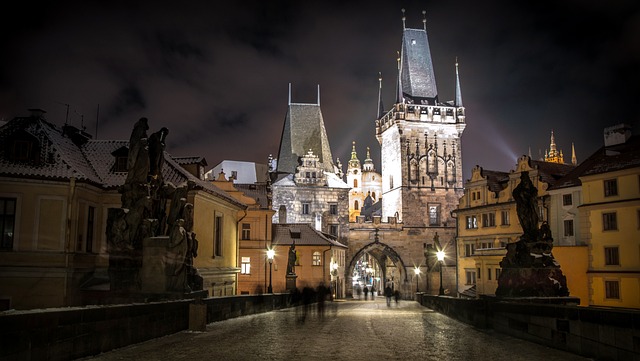
1. Language Background: Unraveling the Historical Origins of Czech
Czech, a West Slavic language, has a fascinating historical background that unravels its origins. It is primarily spoken in the Czech Republic, where it serves as the official language. However, Czech speakers can also be found in other parts of the world, due to migration and diaspora communities.
The linguistic roots of Czech can be traced back to the Proto-Slavic language, which dates back to the 6th century. Over time, Czech evolved from Old Church Slavonic, an early form of Slavic used for religious purposes. Throughout its history, Czech has undergone numerous phonological changes and influences from neighboring languages, such as German and Latin. These influences have shaped its vocabulary and grammar, making it unique and distinct within the Slavic language family.
Today, Czech is spoken by approximately 12.5 million people worldwide. Apart from the Czech Republic, significant Czech-speaking communities exist in countries like the United States, Slovakia, Canada, and Germany. In fact, there are even Czech-speaking minority communities in countries as diverse as Australia, Brazil, and Ukraine. This diaspora has contributed to the spread and preservation of the Czech language, ensuring its continued presence beyond its homeland. So, whether you find yourself exploring the picturesque streets of Prague or encountering a Czech speaker in a far-flung corner of the world, the language’s rich historical origins and global reach are truly impressive.
2. Geographical Distribution: Identifying the Global Reach of Czech
One of the fascinating aspects of the Czech language is its geographical distribution. While Czech is primarily spoken in the Czech Republic, its influence and reach extend far beyond its borders. Let’s explore the global presence of Czech and the communities where it thrives.
1. Czech Republic: Unsurprisingly, the majority of Czech speakers reside in their home country, the Czech Republic. Here, Czech is the official language and serves as the primary means of communication for over 10 million people. It plays a crucial role in every aspect of Czech society, from education and government to media and literature.
2. Slovak Republic: Due to the historical and linguistic ties between Czech and Slovak, Czech is widely understood and spoken in the Slovak Republic. The mutual intelligibility between the two languages allows for effective communication between Czech and Slovak speakers, creating a sense of linguistic unity in this neighboring country.

3. Czech Dialects: Exploring Linguistic Variations within the Czech Republic
In the vast and diverse linguistic landscape of the Czech Republic, a fascinating range of dialects exists, reflecting the cultural, historical, and geographical variations within the country. These captivating linguistic differences add depth and richness to the Czech language, highlighting the unique heritage of different regions and communities. Let’s delve into the world of Czech dialects and explore the linguistic variations that make this language even more intriguing.
1. Moravian Dialects: In the eastern and southeastern parts of the country, the Moravian dialects take center stage. These dialects are further divided into several subtypes, each with its own distinctive characteristics. Some prominent Moravian dialects include:
– Hanakian Dialect: Spoken primarily in Haná, this dialect is known for its slightly nasal pronunciation and distinctive vocabulary.
– Valachian Dialect: Found in Wallachia, this dialect is influenced by the Romanian language and is characterized by its vowel shifts and specific grammatical features.
2. Bohemian Dialects: Taking precedence in the western and central parts of the Czech Republic, the Bohemian dialects showcase their own unique traits. Here are a few examples:
– Central Bohemian Dialect: As the most widespread dialect in Bohemia, this variant is spoken in and around Prague. Known for its pronunciation modifications and vocabulary peculiarities, it preserves the historical aspects of the language.
– Chodska Dialect: Hailing from the Chod region near the German border, this dialect displays significant German influence through its vocabulary and phonetic variations.
These are just a glimpse into the immense diversity of Czech dialects. Each dialect boasts its own set of linguistic peculiarities, ranging from pronunciation and vocabulary variations to unique grammar rules. By exploring these linguistic expressions, we can gain new insights into the culture, history, and people of different regions within the Czech Republic.
4. Czech as an Official Language: Cultural Significance and Legal Status
Czech, a West Slavic language, holds immense cultural significance and enjoys the status of an official language in the Czech Republic. With approximately 10 million native speakers, Czech finds its primary home in the heart of Central Europe. However, its linguistic influence extends far beyond the country’s borders. Here are a few fascinating insights into the geographical reach of the Czech language:
1. Slovakia: As one may expect, Czech is spoken in neighboring Slovakia, where it holds the status of a recognized minority language. The historical and cultural connections between the two countries have ensured the continued use of Czech in Slovak communities, particularly among the older generation.
2. Czech Diaspora: Over the centuries, waves of emigration have carried the Czech language to various parts of the world. Today, significant Czech-speaking communities can be found in countries such as the United States, Canada, Germany, Austria, and the United Kingdom. These communities often preserve their language through cultural organizations, schools, and social events.
3. Academic Sphere: Czech is not limited to everyday conversations. It plays a significant role in academia, with universities and research institutions worldwide offering Czech language courses. Students from diverse backgrounds are intrigued by the rich cultural heritage of the Czech Republic and seek to master the language to further their academic pursuits.
Czech’s legal status as an official language, combined with its cultural significance and geographical reach, highlights its enduring importance in various spheres of life. Whether it is connecting communities across borders or promoting academic and cultural exchange, Czech remains an influential and vibrant language.
5. Czech Communities Abroad: Tracing the Diaspora and Language Maintenance
Czech communities abroad have played a significant role in maintaining their language and cultural heritage. From the United States to Canada, Brazil to Australia, and various European countries, Czech diaspora populations have formed tight-knit communities that have proudly preserved their linguistic traditions. These communities have established Czech language schools and cultural centers, ensuring that future generations stay connected to their roots.
In the United States, cities such as Chicago, Cleveland, and New York have vibrant Czech communities where the language continues to be spoken. These communities often organize cultural events, folklore festivals, and language immersion programs for both children and adults. Similarly, in Australia, the city of Melbourne hosts an annual Czech and Slovak Film Festival, celebrating the rich cinematic contributions of these communities. Czech speakers abroad have also formed online communities and social media groups, connecting with each other across borders to share their language, stories, and experiences. It is heartening to see the determination of these communities in preserving their linguistic heritage and keeping the Czech language alive and thriving around the world.
6. Czech as a Minority Language: Challenges and Preservation Efforts
When discussing minority languages, Czech may not be the first language that comes to mind. However, this Slavic language is indeed spoken by minority communities in various regions around the world. Czech communities can be found in places such as the United States, Canada, Slovakia, Australia, and even in neighboring countries like Austria and Poland. Despite its dispersion, Czech faces unique challenges in terms of preservation and maintenance.
One of the main obstacles in preserving Czech as a minority language is the threat of assimilation. As Czech communities become more integrated within the societies they reside in, the younger generations often adopt the dominant language, resulting in a decline in Czech proficiency. To combat this, community organizations and educational institutions have implemented various strategies, including:
- Bilingual education programs: Schools have introduced bilingual programs that provide instruction in both Czech and the dominant language of the region. This allows children to develop strong foundations in their heritage language while acquiring fluency in the local language.
- Cultural festivals and events: Czech communities organize cultural events and festivals to celebrate their language, traditions, and customs. These events not only raise awareness but also create a sense of pride and belonging among community members.
- Online resources: The digital age has opened up new avenues for language preservation. Online platforms, websites, and mobile apps offer interactive language courses, resources, and communities that connect Czech speakers and enable them to practice and learn the language together.
Despite the challenges, the steadfast efforts of Czech communities worldwide ensure that the language continues to thrive and evolve. Through a combination of education, cultural preservation, and harnessing the power of technology, Czech as a minority language remains a testament to the enduring resilience of linguistic diversity.
7. Czech Language Education: Promoting Language Learning and Literacy
Czech language education plays a vital role in promoting language learning and literacy, not only in the Czech Republic but also around the world. With approximately 13 million speakers, Czech is primarily spoken in the Czech Republic, where it is the official language. However, the reach of the Czech language extends far beyond the borders of its home country.
Czech is also spoken by numerous communities of Czech expatriates living in countries such as the United States, Canada, and Australia. These communities help to preserve the language and provide platforms for Czech language education for both children and adults. Moreover, Czech language courses are offered in various universities and language schools worldwide, catering to individuals who are eager to learn this captivating language. Whether you are interested in Czech literature, culture, or simply want to expand your linguistic abilities, embarking on a journey to learn Czech can be a rewarding and enriching experience.
8. Czech in the Digital Age: Language Use and Communication Online
Czech, a West Slavic language, is primarily spoken in the Czech Republic, where it is the official language. However, the influence of Czech has extended beyond the country’s borders, particularly in neighboring Slovakia, where it is also widely understood and spoken. Additionally, Czech communities exist in various parts of the world, including the United States, Canada, and Australia, where Czech serves as a means of maintaining cultural and ancestral ties.
In the digital age, the internet has played a significant role in the preservation and promotion of the Czech language. Online platforms, websites, and social media have provided opportunities for Czech speakers around the world to connect, share knowledge, and engage in Czech language communities. Numerous websites cater to Czech-speaking audiences, offering news, entertainment, and resources for language learning. Social media platforms, too, have become vibrant spaces for Czech language use, where users can communicate, engage in discussions, and contribute to language-related content. As a result, the digital sphere has aided in the expansion and continued vitality of the Czech language.
9. Czech Sign Language: Unique Characteristics and Community Integration
Czech Sign Language, also known as CSL, is a unique language with its own distinct features and a vibrant community of users in the Czech Republic. One of the remarkable characteristics of CSL is its manual alphabet, which consists of 26 handshapes representing the letters of the Czech alphabet. This alphabet allows CSL users to spell out words and names, making it a versatile and expressive language for communication.
Unlike some sign languages that are derived from spoken languages, CSL is considered a natural language in its own right. It has its own grammar, syntax, and vocabulary. CSL is predominantly used by the Deaf community in the Czech Republic, but it has also gained recognition as an official language of the deaf community in schools and institutions. This recognition has contributed to significant advancements in community integration, ensuring access to education, employment, and public services for CSL users.
Today, CSL plays a crucial role in facilitating communication and fostering inclusivity within the Czech Deaf community. It serves as a medium for cultural expression, enabling CSL users to engage with each other and participate fully in society. The unique characteristics of CSL, coupled with ongoing efforts to promote community integration, demonstrate the importance of recognizing and valuing the diversity of sign languages as autonomous and essential forms of human communication.
10. Promoting Czech Language Diversity: Strategies for Language Revitalization
Understanding the geographical distribution of Czech speakers plays a vital role in promoting language diversity and revitalization efforts. While Czech is predominantly spoken in the Czech Republic, it also has a significant presence in several other countries.
Here are some linguistics insights on the global reach of the Czech language:
- Slovakia: Neighboring Slovakia is home to a considerable number of Czech speakers, mainly due to historical ties and the shared intelligibility between the two languages.
- United States: Czech communities exist in various regions of the United States, primarily concentrated in Illinois, Texas, and Nebraska, where they have preserved their language and cultural heritage.
- Canada: The Czech language can also be found within the multicultural fabric of Canada. Canadian cities such as Toronto and Vancouver are known for their Czech-speaking communities.
- Austria: In bordering Austria, Czech speakers form linguistic minorities, particularly in regions that historically had strong connections with the Czech lands.
- Germany: Czech speakers are scattered across different parts of Germany, particularly in areas close to the Czech border, where the language has been maintained by expatriate communities.
Wrapping Up
In summary, Czech is primarily spoken in the Czech Republic, where it serves as the official language. It also carries significant importance within certain pockets of neighboring countries such as Slovakia, Austria, and Ukraine. With a rich history and a distinct set of linguistic features, Czech stands as a testament to the resilience and cultural identity of its speakers.
Key takeaways from our exploration of where Czech is spoken include its prominence in the Czech Republic, where it serves as the dominant language. The presence of Czech in neighboring countries emphasizes its cultural and historical significance beyond political borders. Understanding the distribution and reach of the Czech language provides valuable insights into the intertwined linguistic landscape of Central Europe.
Whether you’re planning a visit to Prague or simply curious about the diversity of languages around the world, knowing where Czech is spoken will deepen your understanding of the region. As a native Czech speaker or someone passionate about languages, this article has equipped you with a clearer picture of the places where this beautiful Slavic language continues to flourish.
Získejte naše nejnovější články, návody a tipy přednostně ve vyhledávání Google a v AI přehledech.