What Money Do They Use in Prague? Monetary Details
Welcome to Prague, the dazzling capital city of the Czech Republic! As you embark on your journey through its picturesque streets and historic landmarks, one question may cross your mind: What money do they use here? Fear not, fellow traveler, for we have all the monetary details you need to navigate the currency system like a pro. In this article, you will discover the ins and outs of Prague’s monetary world, from the local currency to the best places to exchange your cash. Get ready to unravel the mysteries of Czech koruna and embark on a truly enriching adventure!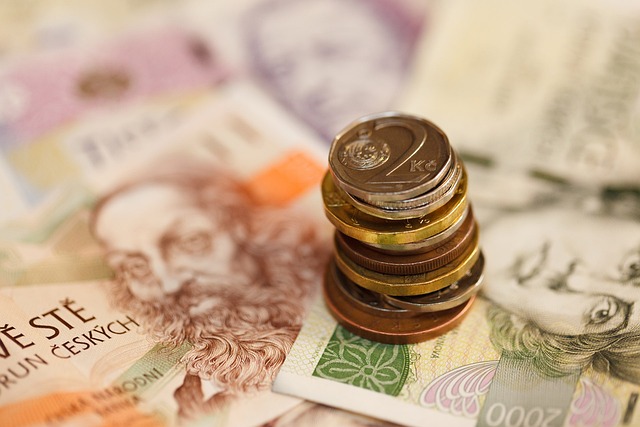
1. Discovering the Czech koruna: The Currency of Prague Unveiled
The Czech koruna is the official currency of Prague, the enchanting capital city of the Czech Republic. This currency, often symbolized by the abbreviation CZK, has been in circulation since 1993 when it replaced the Czechoslovak koruna. As of now, the exchange rate of the Czech koruna to the US dollar is around 21.5 CZK to 1 USD. When visiting Prague, it is important to familiarize yourself with the local currency and its denominations, which include banknotes in 100, 200, 500, 1000, 2000, and 5000 CZK, as well as coins in 1, 2, 5, 10, 20, and 50 CZK.
While exploring Prague, it is advisable to carry cash in the local currency, as smaller establishments and public transportation often do not accept credit cards. Additionally, exchanging money at banks or currency exchange offices is usually the most cost-effective option, as airport kiosks and hotel services may charge higher fees. Keep in mind that it is always helpful to have smaller denominations on hand for purchases at markets, cafes, and street vendors. Moreover, it is worth noting that although neighboring countries such as Germany and Austria may accept the euro, the Czech koruna is the only legal tender in the Czech Republic. Familiarizing yourself with the local currency will not only enhance your Prague experience but also ensure smooth transactions as you discover the mesmerizing charm of this historic city.

2. An Introduction to Currency Exchange in Prague: Exchanging your Money Confidently
In Prague, the official currency is the Czech koruna (CZK), and it’s essential to understand how currency exchange works to make sure you’re getting the most out of your money. When exchanging your currency in Prague, it’s always wise to look for reputable exchange offices or banks that offer fair rates and low commission fees. Avoid street kiosks that claim to offer unbeatable rates, as they are often associated with scams or hidden fees. It’s also a good idea to compare rates between different exchange offices to ensure you’re getting the best deal.
When exchanging your money, keep in mind that most businesses in Prague accept major credit cards, such as Visa, Mastercard, and American Express. However, it’s still recommended to carry some cash on hand for smaller establishments or if you plan to visit local markets. ATMs are widely available throughout the city, and they offer a convenient way to withdraw cash in the local currency. Just be mindful of their associated fees and exchange rates. Lastly, always double-check your exchanged currency to ensure you receive the correct amount and verify that any exchange office you use is properly licensed and regulated by the Czech National Bank. Remember, being prepared and knowledgeable about currency exchange will help you make confident financial decisions during your time in Prague.
3. Navigating Prague’s Banknotes and Coins: Understanding the Dos and Don’ts of Payments
Navigating Prague’s currency can be a bit tricky if you’re not familiar with the local banknotes and coins. To ensure a smooth experience while making payments during your visit, here are some dos and don’ts to keep in mind:
Dos:
– Familiarize yourself with the Czech currency before your trip. The official currency of Prague is the Czech koruna (CZK), commonly referred to as “crowns.” Knowing the denominations of banknotes and coins, ranging from 100 CZK to 1 CZK, will help you handle transactions with ease.
– When receiving change, take a moment to carefully inspect the banknotes and coins. Counterfeit bills are rare but still exist, so being attentive is crucial. Look for security features such as the watermark, embedded security thread, and holographic elements on banknotes. Genuine coins will have a visible relief and distinct edges.
Don’ts:
– Avoid using larger banknotes for small purchases, especially in shops or restaurants where change might be limited. Smaller denominations are preferred for convenience. It is advisable to carry notes of 500 CZK and below to avoid any issues when making smaller transactions.
– Don’t be alarmed if you receive coins as change for larger purchases. Coins are commonly used for smaller amounts and are an essential part of Prague’s currency. Embrace their jingling presence and keep them for future use.
Remember, when it comes to navigating Prague’s banknotes and coins, being informed and aware will help you make seamless payments throughout your time in this vibrant city.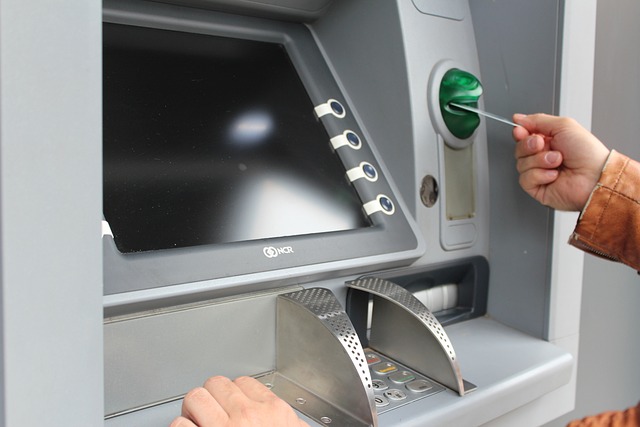
4. ATMs in Prague: Where to Withdraw Cash and Avoid Extra Fees
If you’re planning a trip to Prague, you might be wondering about the best way to manage your money while you’re there. One key aspect to consider is finding ATMs where you can withdraw cash without incurring additional fees. Luckily, Prague has a well-developed banking system with a plethora of ATMs throughout the city. Here’s a guide to help you locate convenient ATMs and avoid those pesky extra charges.
1. Stick with reputable banks: To ensure a hassle-free cash withdrawal, opt for ATMs that belong to well-known banks such as Česká Spořitelna, Komerční Banka, or Raiffeisenbank. These banks have a wide network of ATMs in Prague, offering reliable service and competitive exchange rates.
2. Beware of independent ATMs: While there’s nothing inherently wrong with independent ATMs, many of them charge exorbitant fees or give unfair exchange rates. It’s best to avoid these ATMs, particularly those found in tourist hotspots or near popular attractions.
3. Choose the local currency: When using an ATM in Prague, always select the local currency, Czech koruna (CZK). Opting for your home currency may sound convenient, but it often comes with higher exchange rates and additional fees, leaving you with less money in your pocket.
4. Plan ahead: Prague is a popular tourist destination, so ATMs can sometimes run out of cash, especially during peak travel seasons. To avoid any inconvenience, plan ahead and withdraw enough cash to cover your expenses for a few days.
By keeping these tips in mind, you can navigate the ATM landscape in Prague confidently, withdraw cash conveniently, and avoid unnecessary fees, leaving you with more money to enjoy the city’s charming attractions and delectable cuisine.
5. Best Currency Exchange Options in Prague: Unveiling the Top Spots for Convenient Conversions
Prague, the enchanting capital of the Czech Republic, offers a delightful mix of history, culture, and stunning architecture. As you plan your visit to this vibrant city, it’s essential to understand the local currency and explore the best currency exchange options for convenient conversions. The official currency used in Prague is the Czech koruna (CZK), and it’s beneficial to have some cash on hand for smaller transactions and establishments that may not accept credit cards. To make the most of your money, it’s wise to seek out trustworthy currency exchange spots that offer competitive rates with low fees.
When it comes to exchanging your currency in Prague, several convenient options await. Here are some of the top spots that guarantee a smooth and hassle-free experience:
1. **Exchange Offices**: These are often found in popular tourist areas and offer competitive rates. Keep an eye out for those displaying “Bez Poplatku” signs, which means “without commission” in Czech. A quick online search for reputable exchange offices can provide valuable insights and customer reviews, helping you make an informed choice.
2. **Banks**: Most banks in Prague offer currency exchange services, but be mindful of their opening hours as they may have limited availability on weekends and public holidays. It’s advisable to compare exchange rates and fees among different banks to find the most favorable option. It’s worth noting that some banks require you to be a customer to use their exchange services, so it’s prudent to inquire beforehand.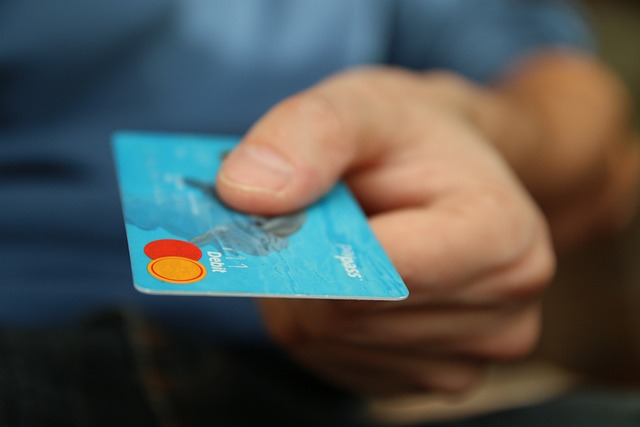
6. Credit Cards in Prague: Know When to Use Plastic and How to Avoid Surprises
When traveling to Prague, it’s important to be aware of the various aspects of using credit cards in the city to ensure a hassle-free and enjoyable experience. While cash is still widely accepted, credit cards are becoming more prevalent in restaurants, hotels, and larger establishments. Here’s what you need to know about using plastic in Prague:
- Acceptance: Credit cards are accepted in most popular tourist areas, trendy restaurants, and upscale shops. However, it’s always a good idea to carry some cash for smaller establishments, street vendors, and public transportation.
- Transaction Fees: It’s crucial to inquire about foreign transaction fees with your credit card issuer before traveling to Prague. Some cards may charge a fee for each transaction or impose higher exchange rates, costing you more in the long run. Consider using a credit card that offers low or no foreign transaction fees to avoid surprises.
- Currency Conversion: When making a purchase with your credit card, you might be asked if you want to pay in your home currency or the local currency (Czech koruna). Always choose the local currency to avoid dynamic currency conversion fees, as they often have higher exchange rates.
- ATM Withdrawals: While credit cards can be used for cash advances at ATMs, it’s important to be cautious. Some ATMs might display a warning that states you’ll be charged in your home currency instead of koruna. Always opt for being charged in the local currency to avoid unfavorable exchange rates and additional fees.
By keeping these tips in mind, you can make the most out of your credit card usage in Prague, ensuring a seamless financial experience without any surprises.
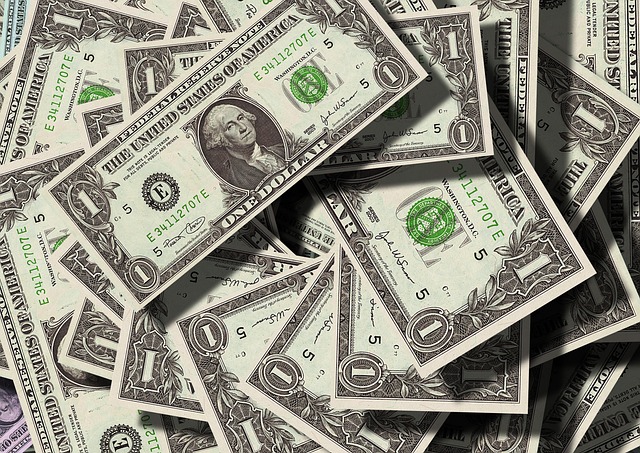
7. Currency Conversion Tips for Travelers: Making the Most of your Money in Prague
Prague, the enchanting capital of the Czech Republic, is a city full of history, art, and architectural marvels. It’s no wonder that so many travelers are drawn to this captivating destination. Before embarking on your journey, it’s important to familiarize yourself with the local currency. The Czech Republic uses the Czech koruna (CZK) as its official currency. When you arrive in Prague, it’s essential to exchange your money into koruna to ensure you have the local currency on hand for your transactions.
To make the most of your money in Prague, here are some essential currency conversion tips. Firstly, it is advisable to exchange your currency at a reputable exchange office or bank to avoid high fees or counterfeit money. There are several exchange offices conveniently located throughout the city, especially in popular tourist areas. Before making any transactions, it’s wise to compare exchange rates to ensure you are getting the best deal.
When using your credit or debit card, it’s important to notify your bank beforehand to prevent any potential issues. Most places in Prague accept major credit and debit cards, but it’s always handy to have some cash on hand, especially for smaller establishments or local markets. Additionally, be cautious of dynamic currency conversion, where a vendor may offer to convert your payment into your home currency at an unfavorable exchange rate. Opt for paying in the local currency instead to avoid unnecessary charges. By implementing these currency conversion tips, you can make the most of your money and enjoy a seamless experience while exploring the mesmerizing streets of Prague.
8. Prague’s Tipping Culture: Understanding Gratuity Expectations for a Seamless Experience
In addition to understanding the currency used in Prague, it’s important to know the tipping culture to ensure a smooth and seamless experience during your visit. Tipping in Prague is customary, but it’s not as heavily emphasized as in some other countries. Here are a few important etiquettes to keep in mind:
1. Restaurants: While it is not obligatory to tip, it is polite to leave a gratuity of around 10% of the total bill if you are satisfied with the service. Ensure that you hand the tip directly to your server in cash rather than adding it to the credit card payment.
2. Cafés and bars: Tipping here is less common, but leaving some loose change or rounding up the bill is appreciated. You can also leave a small coin in the tip jar if one is available at the counter.
3. Taxi drivers: Although tipping is not mandatory, it is customary to round up the fare or add a small amount as a gesture of appreciation.
Remember, while tipping is appreciated, it is ultimately up to your discretion. Offering a tip is a way to show gratitude for good service, but it is not a requirement. Ultimately, the most important aspect is to be polite and respectful to the local customs.
9. Staying Safe from Counterfeit Money in Prague: Easy Steps to Protect Your Finances
When traveling to Prague, it’s essential to familiarize yourself with the local currency to ensure you don’t fall victim to counterfeit money scams. The official currency used in Prague is the Czech koruna (CZK), and it’s denoted by the symbol Kč. Take note of the following monetary details to stay one step ahead and safeguard your finances in this picturesque city.
1. Get Acquainted with Czech Banknotes: Familiarize yourself with the Czech banknotes to easily identify authentic currency. The Czech koruna banknotes come in denominations of 100, 200, 500, 1000, 2000, and 5000 Kč. Pay close attention to the security features mentioned on the banknotes, such as watermark, security thread, microprinting, and hologram. Holding the notes up to the light can help you spot these features.
2. Verify Your Change: Whenever you receive change, especially larger denominations, take a moment to inspect the banknotes carefully. Counterfeit money can be easily passed off in crowded places, so it’s crucial to scrutinize each note for authenticity. Look for the security features mentioned earlier and feel the texture of the paper to ensure it matches the legitimate currency. If in doubt, don’t hesitate to ask for alternative notes or pay with a smaller denomination to minimize any potential risks.
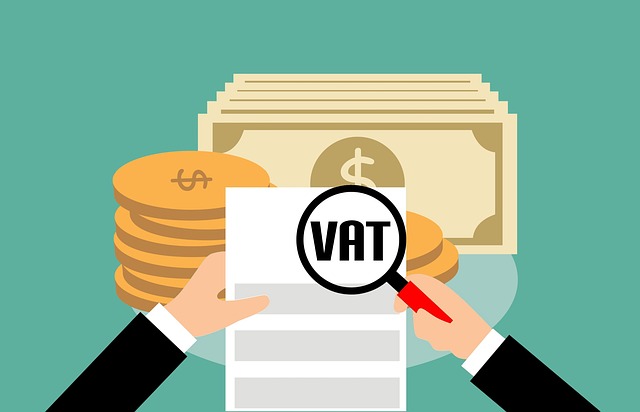
10. Understanding Value Added Tax (VAT) in Prague: How to Get your Money Back
Prague, the capital of the Czech Republic, is a fascinating city that attracts tourists from all over the world. If you’re planning to visit Prague and wondering about the monetary details, we’ve got you covered. Let’s delve into the currency and value-added tax (VAT) in Prague, and learn how you can get your money back.
Currency in Prague:
– The official currency of Prague is the Czech koruna (CZK), and it is accepted throughout the city. Be sure to exchange your currency into CZK before exploring the city to ensure smoother transactions.
– Major credit cards such as Visa and Mastercard are widely accepted in hotels, restaurants, and shops in Prague. However, it’s always a good idea to have some cash on hand for smaller establishments and public transportation.
– ATMs are readily available throughout the city, allowing you to withdraw cash in Czech koruna. Keep in mind that some ATMs may charge a fee for foreign card transactions, so it’s advisable to check with your bank before making any withdrawals.
Understanding Value Added Tax (VAT):
– VAT is a tax that is added to the price of most goods and services in Prague. The standard VAT rate in the Czech Republic is 21%.
– As a foreign visitor, you can enjoy the benefits of getting a VAT refund on eligible purchases made during your stay in Prague. To qualify for a VAT refund, you must be a non-EU resident and spend a minimum amount in a participating store.
– Look for the Tax-Free Shopping logo displayed in shops, and ask for a VAT refund form when making purchases. Make sure to fill out the form correctly and present it, along with your receipts, at the airport customs office before leaving Prague to claim your VAT refund.
In summary, whether you’re wondering about the currency in Prague or seeking information about VAT refunds, this guide provides you with the necessary details. Ensure that you have Czech koruna for hassle-free transactions, and take advantage of the VAT refund scheme to make the most of your shopping experience in Prague.
Final Thoughts
In conclusion, Prague, the vibrant capital of Czech Republic, operates on the Czech koruna as its official currency. While the country is a member of the European Union, the euro is not accepted as legal tender in most places. It is essential to exchange your currency for the local Czech koruna to ensure a seamless experience during your visit.
When it comes to accessing money in Prague, ATMs are widely available, providing convenient access to cash. The city is also well-equipped with exchange offices, though it is advisable to compare rates and watch out for hidden fees. Credit and debit cards are widely accepted in most establishments, providing a convenient alternative.
Moreover, it’s worth noting that prices in Prague are generally lower compared to other European cities. This allows for an affordable and enjoyable experience as you explore the city’s rich history and charming architecture.
Remember, being familiar with the local currency and payment options will play a significant role in having a stress-free trip to Prague. So be sure to plan ahead, exchange your money, and enjoy your time in this fascinating city!
Get our latest guides, news, and insights highlighted in your Google Search & AI Overviews.