

Is Prague in Czechoslovakia? Historical Context
Are you curious about the historical connection between Prague and Czechoslovakia? In this article, we delve into the fascinating history behind this relationship. Many people wonder if Prague is still located in Czechoslovakia, so let’s clear up any confusion and provide some valuable insights into the complex history of this region. Join us as we explore the historical context of Prague’s relationship with Czechoslovakia and gain a deeper understanding of its place in the world.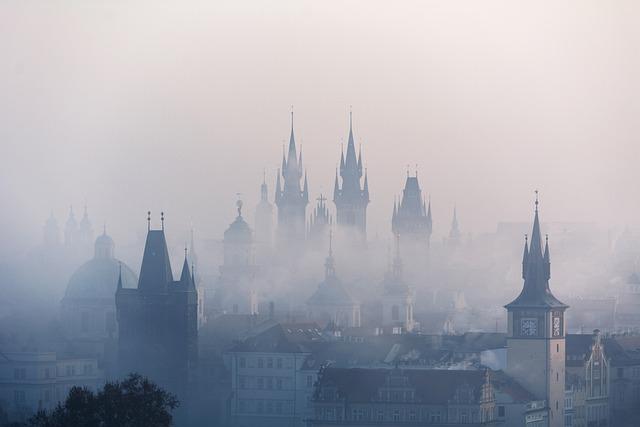
Is Prague in Czechoslovakia? Historical Background
Prague, the capital city of the Czech Republic, has a rich historical background that dates back centuries. It was once the capital of the Kingdom of Bohemia, a key component of the Holy Roman Empire. Over time, Prague became a cultural and political hub in Central Europe, known for its stunning architecture, including the famous Prague Castle and Charles Bridge.
Following World War I, Czechoslovakia was formed as an independent country, with Prague as its capital. The country was a union of Czechia and Slovakia, and Prague continued to play a significant role in the new nation’s political and cultural life. However, in 1993, Czechoslovakia peacefully split into two separate countries, the Czech Republic and Slovakia, with Prague remaining as the capital of the Czech Republic. Today, Prague stands as a symbol of a resilient city that has overcome various challenges throughout its history.

Dissolution of Czechoslovakia: Impact on Prague
During the dissolution of Czechoslovakia in 1992, Prague found itself at the center of significant political and social changes. As the capital city of Czechoslovakia, Prague played a crucial role in the events leading up to the split of the country into the Czech Republic and Slovakia. The impact of this historical event on Prague was profound, affecting various aspects of the city’s culture, economy, and identity.
The dissolution of Czechoslovakia led to the establishment of the independent Czech Republic, with Prague as its capital. This transition brought about a shift in the city’s focus, as it now became the political, cultural, and economic hub of a newly formed nation. The changes also brought challenges and opportunities for Prague, as it had to navigate its new role on the international stage while preserving its rich historical heritage. Despite the challenges, Prague’s resilience and adaptability have allowed it to emerge as a thriving European city, attracting tourists, businesses, and artists from around the world.
Geopolitical Shifts: Prague in the Czech Republic
Prague is the capital city of the Czech Republic, not Czechoslovakia. The confusion may arise from the fact that Prague was part of Czechoslovakia before the country peacefully dissolved into two separate nations, the Czech Republic and Slovakia, in 1993.
The geopolitical landscape of Europe has shifted over the years, with borders changing and countries gaining independence. Understanding the historical context of Prague’s location within the Czech Republic is essential in grasping the city’s significance in today’s world. With its rich history, stunning architecture, and vibrant culture, Prague continues to be a major hub in Central Europe, attracting tourists and scholars alike to explore its wonders.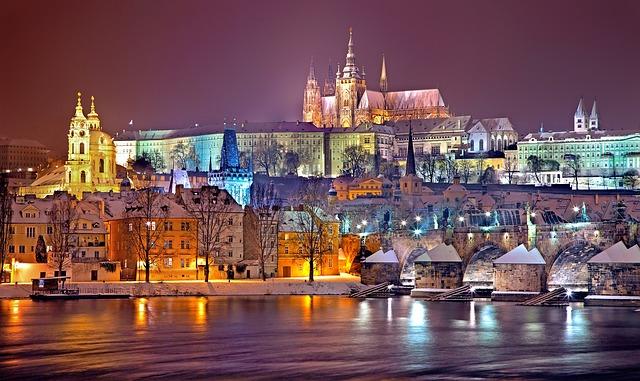
Prague’s Rich History Beyond Czechoslovakia
Prague, often referred to as the ”City of a Hundred Spires,” holds a rich history that extends far beyond the boundaries of Czechoslovakia. Situated in the heart of Europe, Prague has been a cultural and political hub for centuries, playing a key role in shaping the events of the continent. From the establishment of the Kingdom of Bohemia in the 9th century to the Velvet Revolution of 1989, Prague’s history is intertwined with that of Europe as a whole.
Throughout its tumultuous past, Prague has been under the rule of various empires and kingdoms, each leaving its mark on the city. Some notable historical events that have shaped Prague include:
– The founding of the city by Princess Libuše in the 8th century
– The establishment of the Holy Roman Empire under Charles IV in the 14th century
– The impact of Protestant reformer Jan Hus in the 15th century
- The Habsburg rule and the Austro-Hungarian Empire in the 18th and 19th centuries
The complex tapestry of Prague’s history reflects the city’s resilience and adaptability in the face of changing political landscapes. Despite the dissolution of Czechoslovakia in 1993, Prague continues to stand as a testament to the multicultural heritage and enduring spirit of the Czech people.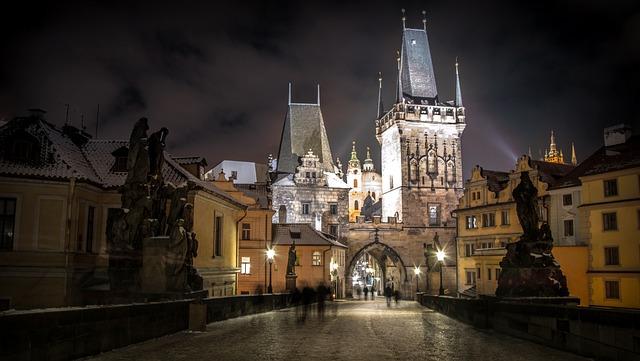
Navigating Confusion: Understanding Prague’s Identity
Prague, the capital city of the Czech Republic, often sparks confusion among travelers and history enthusiasts alike. Many mistakenly believe that Prague is located in Czechoslovakia, a country that ceased to exist in 1993. To clarify, the Czech Republic and Slovakia peacefully separated through the Velvet Divorce, leading to the formation of two independent nations.
However, it’s essential to understand the historical context behind this confusion. Prior to 1993, Czechoslovakia was a sovereign state in Central Europe, comprising the territories of present-day Czech Republic and Slovakia. Hence, when people refer to Prague being in Czechoslovakia, they are likely recalling the time when these modern-day countries were part of the same political entity.

Historical Significance of Prague in Czechoslovakia
Prague, the capital city of the Czech Republic, has a rich history that dates back over a thousand years. It has played a significant role in the development of Czech culture and identity. As the political, economic, and cultural center of the region, Prague has been witness to numerous historical events that have shaped the Czechoslovakian nation.
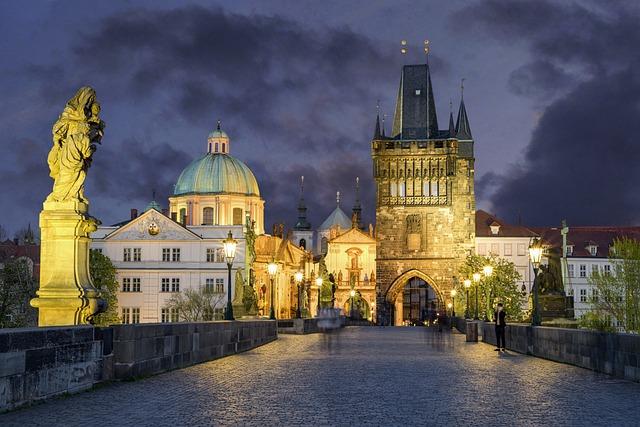
From being the seat of kings and emperors to surviving wars and revolutions, Prague has stood the test of time. The city’s architecture, including the stunning Prague Castle, Charles Bridge, and Old Town Square, reflects its varied past. With its well-preserved medieval streets and Baroque palaces, Prague continues to attract visitors from around the world, eager to explore its historical significance and cultural heritage.
Cultural Heritage: Prague’s Influence on Czechoslovakia
Prague, the capital city of the Czech Republic, holds a significant influence on the cultural heritage of Czechoslovakia. The city has a rich history dating back to the 9th century, making it one of the oldest and most well-preserved cities in Europe. Its stunning architecture, including Gothic, Baroque, and Renaissance buildings, reflects the different periods of its past rulers, such as Charles IV, Rudolf II, and Maria Theresa. Prague’s historical significance as a political, cultural, and economic hub has shaped the identity of Czechoslovakia as a whole.
Moreover, Prague’s contributions to Czechoslovakia extend beyond architecture. The city has been a center of art, literature, and music for centuries. Notable figures such as Franz Kafka, Antonín Dvořák, and Alphonse Mucha have all called Prague home and have left a lasting impact on Czechoslovakian culture. The city’s vibrant street art scene, bustling markets, and lively music festivals continue to draw in tourists from all over the world, showcasing the enduring influence of Prague on the cultural landscape of Czechoslovakia.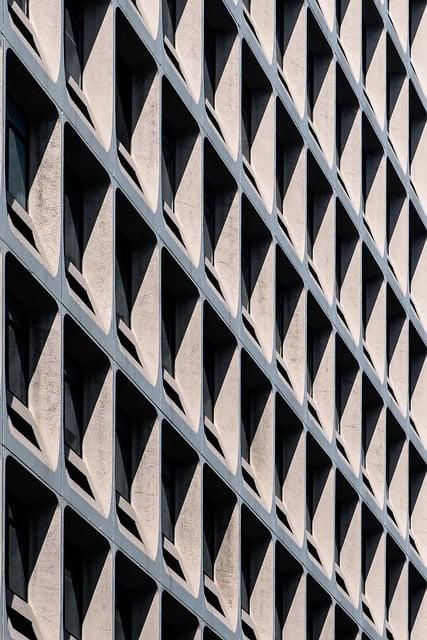
Contemporary Relevance: Prague in the Modern Era
Prague, the capital city of the Czech Republic, has a rich and complex history that has shaped its contemporary relevance in the modern era. While Czechoslovakia was a country in Central Europe that existed from 1918 to 1992, Prague is now part of the Czech Republic, which was formed after the peaceful dissolution of Czechoslovakia. Today, Prague is a thriving cultural hub that attracts millions of tourists each year with its historic architecture, vibrant arts scene, and unique blend of Eastern and Western influences.
In the modern era, Prague has established itself as a global city that bridges the gap between the past and the present. With its UNESCO World Heritage sites, such as the Prague Castle and Charles Bridge, the city continues to preserve its unique architectural heritage while embracing contemporary trends in art, music, and fashion. Additionally, Prague’s geographical location in the heart of Europe has made it a key player in international trade and commerce, attracting businesses and expatriates from around the world. Overall, Prague’s blend of history, culture, and modernity makes it a truly unique and relevant city in today’s global landscape.
Preserving Prague’s History in Czechoslovakia
Prague, the capital city of the Czech Republic, holds a rich and diverse history that dates back centuries. As one of the cultural and economic centers of Europe, Prague has played a crucial role in shaping the identity of the Czech people. Throughout its storied past, Prague has been influenced by various rulers and empires, each leaving their mark on the city’s architecture, traditions, and culture.
- The preservation of Prague’s history is a top priority for the Czech government, as it serves as a reminder of the country’s resilience and enduring spirit through challenging times.
- From the ancient Charles Bridge to the majestic Prague Castle, every corner of the city reflects a different chapter in Czech history, making it a living museum for locals and visitors alike.
By protecting and celebrating Prague’s historical sites, Czechoslovakia is not only honoring its past but also ensuring that future generations can continue to learn from and appreciate the rich tapestry of the city’s heritage.
Recommendations for Understanding Prague’s Place in History
Prague holds a significant place in history as the capital city of the Czech Republic. While Czechoslovakia was a country formed in 1918, it later split into two separate nations in 1993 – the Czech Republic and Slovakia. Prague, therefore, is not in Czechoslovakia but in the Czech Republic, situated in the heart of Central Europe.
When exploring Prague’s historical context, it’s essential to understand its rich and diverse past. From being the seat of Bohemian kings in the Middle Ages to becoming a hub of cultural and political activities during the Czechoslovakian era, Prague has witnessed significant events that have shaped its identity. To truly grasp Prague’s place in history, one must delve into its architectural marvels, cultural traditions, and political transformations throughout the centuries.
Wrapping Up
In conclusion, Prague is not in Czechoslovakia, as Czechoslovakia ceased to exist in 1992 when it split into two separate countries, the Czech Republic and Slovakia. Prague is the capital city of the Czech Republic, known for its rich history, stunning architecture, and vibrant culture.
Key takeaways from this article include the importance of understanding the historical context of a place before making assumptions or assertions. By delving into the history of Czechoslovakia and its subsequent division, we can better appreciate the complexities and nuances of the region.
Furthermore, recognizing the distinction between Prague and Czechoslovakia highlights the evolving nature of geopolitical boundaries and the impact of historical events on shaping modern-day territories. It is essential to approach discussions about locations with accuracy and sensitivity to their historical background.
Overall, by gaining a deeper understanding of the historical context, we can enrich our knowledge and appreciation of the world around us.
Získejte naše nejnovější články, návody a tipy přednostně ve vyhledávání Google a v AI přehledech.


