

Is Prague Eastern or Western Europe: Geographic Insights
Prague, the enchanting capital of the Czech Republic, holds secrets that have puzzled many geography enthusiasts. Situated in the heart of Europe, this magnificent city has often sparked debates about its classification as Eastern or Western Europe. To shed light on this intriguing topic, we delve into geographic insights that will unravel the true identity of Prague. By examining historical events, cultural influences, and geopolitical factors, we aim to provide a comprehensive understanding of Prague’s place in the European landscape. So, buckle up and join us on this captivating journey through Prague’s geographical mysteries.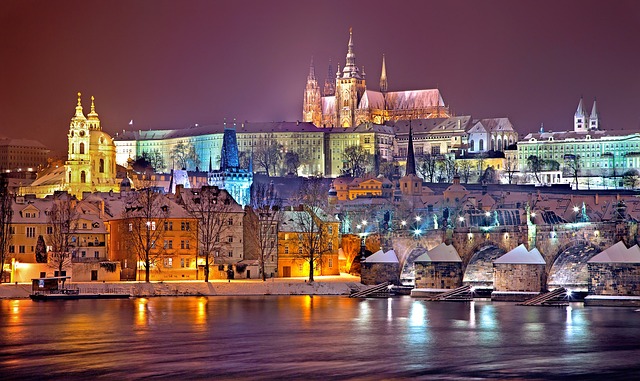
Is Prague Eastern or Western Europe: Geographic Insights
Prague, the stunning capital city of the Czech Republic, has long been debated as to whether it belongs to Eastern or Western Europe. Geographically speaking, Prague is located in the heart of Europe and can be considered as a bridge between the east and the west. Let’s explore some key insights to shed light on this intriguing question.
1. Historical Context: Prague’s history has been heavily influenced by both Eastern and Western powers. From the 14th century until the end of World War I, Prague was part of the Kingdom of Bohemia and later the Austro-Hungarian Empire, aligning itself more closely with Western European cultures and traditions.
2. Cultural Melting Pot: Prague boasts a rich cultural heritage that reflects its unique position. The city showcases a blend of Gothic, Renaissance, and Baroque architecture, which can be traced back to both Eastern and Western European influences. Moreover, Prague has been a melting pot for various ethnic groups, religions, and languages throughout its history, further blurring the distinction between Eastern and Western Europe.
3. Economic Ties: In terms of its economic development, Prague has shown remarkable progress since the fall of communism in 1989. The city has embraced market-oriented reforms and has attracted significant foreign investments. Its close proximity to Western European countries, combined with its skilled workforce and favorable business environment, has made Prague an important economic hub in the region.
4. European Union Membership: In 2004, the Czech Republic, including Prague, became a member of the European Union (EU). This further strengthens the argument for Prague’s classification as Western Europe, as EU membership is predominantly associated with Western European countries. Prague’s integration into the EU has brought numerous benefits, such as increased trade, infrastructure development, and cultural exchanges.
In conclusion, while Prague’s geographic location and historical background make it challenging to categorize it strictly as either Eastern or Western Europe, it is safe to say that the city embodies a unique fusion of both cultures. Prague’s central location, cultural heritage, economic ties, and EU membership contribute to its status as a bridge between East and West, making it a fascinating and enchanting destination for visitors from all around the world.

1. Prague’s Unique Geographic Location: A Bridge between Eastern and Western Europe
Prague’s unique geographic location places it at the crossroads between Eastern and Western Europe, making it a fascinating city with a rich history and diverse culture. Situated in the heart of Central Europe, Prague stands as a symbolic bridge connecting these two distinct regions. Let’s explore some key aspects that shed light on the question of whether Prague can be classified as Eastern or Western Europe.
1. Historical Influences: Prague’s history is deeply intertwined with both Eastern and Western Europe. As the former capital of the Kingdom of Bohemia, Prague witnessed the influences of the Holy Roman Empire and later the Habsburg Monarchy, connecting it to the dynasties and cultures of Western Europe. At the same time, the city’s proximity to Eastern Europe allowed for trade and cultural exchange with the likes of Poland, Hungary, and Russia.
2. Architectural Styles: One of the most visible manifestations of Prague’s unique location can be seen through its eclectic architectural styles. Gothic cathedrals, Baroque palaces, and Art Nouveau buildings coexist harmoniously, reflecting the city’s blend of Western European elegance and Eastern European grandeur. The iconic Prague Castle, a UNESCO World Heritage site, is an exemplary mix of Gothic, Renaissance, and Baroque elements, showcasing the city’s diverse influences.
3. Cultural Fusion: Prague’s cultural scene is a melting pot where Eastern and Western European traditions converge. Its vibrant arts, music, and theater scene draw inspiration from both sides, creating a distinct atmosphere that can’t be easily classified. From classical concerts in historic venues to underground music festivals, Prague offers a cultural fusion that embraces the best of both worlds.
4. Political Shifts: Another factor to consider is Prague’s political landscape. Historically, the city has been subject to various political entities, including being part of the communist Eastern Bloc during the Cold War. However, since the fall of communism in 1989, Prague has undergone significant democratic reforms and shifted its focus towards integration with Western Europe, particularly with its membership in the European Union and hosting important international events.
In conclusion, Prague’s geographic location and historical influences have shaped it into a captivating blend of Eastern and Western Europe. Despite being a part of Central Europe, the city’s unique characteristics, architecture, culture, and political trajectory defy easy categorization. Prague stands as a living testament to the interconnectedness and fluidity of Europe’s diverse regions, making it a destination that embodies the best of both worlds.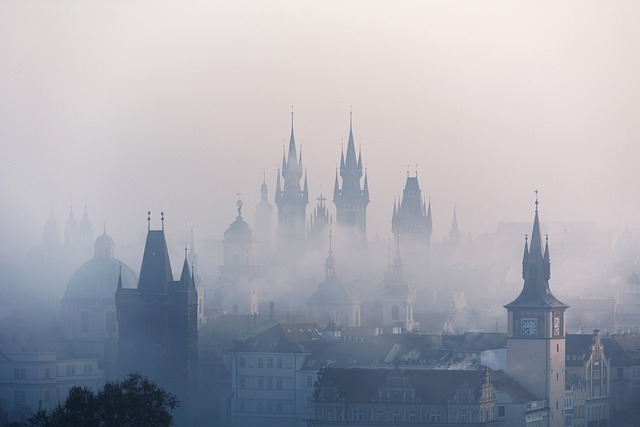
2. Historical Significance: Tracing Prague’s Eastern and Western Influences
Prague, the enchanting capital of the Czech Republic, finds itself at the crossroads of Eastern and Western Europe, resulting in a rich and fascinating history that is woven into the city’s fabric. Its geographic location in Central Europe makes Prague a unique blend of cultural influences from both sides of the continent.
With a history dating back over a thousand years, Prague has been under the rule of various empires, which has shaped its identity. The Eastern influence can be observed through the city’s historical ties to the Slavic culture and its close proximity to countries like Poland and Slovakia. On the other hand, Prague’s Western influence is evident in its architectural grandeur, influenced by the Gothic, Renaissance, and Baroque periods, which are characteristic of Western European countries like France and Germany.
- Eastern Influences:
- – Strong connections to Slavic culture
- – Historical ties to neighboring Eastern European countries
- – Shared traditions and customs
- Western Influences:
- – Architectural styles like Gothic, Renaissance, and Baroque
- – Influence from Western European powers
- – Philosophical and intellectual exchanges
Whether it’s strolling through the ancient streets of Prague’s Old Town or marveling at the grandeur of Prague Castle, the city’s historical significance is a testament to its dual nature. Prague stands as a living example of how Eastern and Western Europe have melded together, creating a cultural tapestry that delights visitors from all over the world.

3. Cultural Intersection: Discovering Eastern and Western Elements in Prague’s Vibrant Identity
Asking whether Prague is part of Eastern or Western Europe may seem like a straightforward question, but the answer is surprisingly complex. Located in the heart of Central Europe, Prague’s cultural identity is a fascinating blend of both Eastern and Western elements. This unique fusion is a result of the city’s strategic geographical position and its rich historical background.
The influence of Western Europe on Prague can be observed through its stunning architectural masterpieces, such as the iconic Prague Castle, which reflects Gothic, Renaissance, and Baroque styles. The city’s vibrant art scene, including its world-class museums and galleries, also showcases Western artistic traditions. Furthermore, Prague’s well-established educational institutions draw inspiration from Western models, providing a wide range of educational opportunities to students.
On the other hand, Eastern influences are evident in Prague’s traditional folklore, music, and cuisine. Exploring the city’s charming neighborhoods, like Žižkov or Karlín, one can find quaint cafés and restaurants serving hearty Eastern European delicacies. Additionally, Prague’s rich history and connection with nearby countries like Poland and Hungary contribute to its Eastern European flair. The city’s intriguing blend of architectural styles and cultural practices highlights the continuous interplay between the two regions.
In conclusion, Prague’s vibrant identity combines elements from both Eastern and Western Europe, making it a fascinating cultural intersection. Its location and historical roots have shaped a thriving city that embodies the best of both worlds. Whether you’re discovering the picturesque cobblestone streets or immersing yourself in Prague’s lively arts scene, this eclectic mix ensures a truly unforgettable experience.

4. Political Considerations: Prague’s Position within the European Union and NATO
When discussing Prague’s political considerations within the European Union and NATO, the question often arises: is Prague more aligned with Eastern or Western Europe? While there is no simple answer to this complex inquiry, it is crucial to examine various geographic insights to gain a comprehensive understanding of Prague’s position.
Geographically, Prague is located in the heart of Central Europe, positioning it at the crossroads between the East and the West. This strategic location has greatly influenced Prague’s political landscape and has played a significant role in shaping its relations with both the European Union and NATO.
- European Union: As a member of the European Union since 2004, Prague has been an active participant in the political and economic integration of Europe. This affiliation has brought numerous benefits to Prague, including access to the single market and the ability to influence EU policies.
- NATO: Prague’s membership in NATO since 1999 has solidified its commitment to collective defense and security cooperation within the Euro-Atlantic region. Being part of NATO strengthens Prague’s ties with Western Europe and provides a platform for cooperation with fellow member states.
In conclusion, while Prague’s geographic location places it at the crossroads between Eastern and Western Europe, its membership in the European Union and NATO signifies a stronger alignment with Western Europe. Nevertheless, Prague continues to play a crucial role in bridging the gap between the East and the West, serving as a vital hub for political and economic activities within both regions.
5. Economic Landscape: Analyzing Eastern and Western Investment Patterns in Prague
The economic landscape of Prague offers a fascinating glimpse into the investment patterns of both Eastern and Western Europe. While Prague is geographically located in the heart of Central Europe, its historical and political connections have resulted in a unique blend of influences from both the East and the West. Analyzing these investment patterns provides valuable insights into Prague’s positioning on the economic map.
Eastern investment in Prague can be largely attributed to its historical ties with the former Eastern Bloc and the subsequent transition to a market-based economy. Countries such as Poland, Hungary, and Russia have been key players in investing in Prague, capitalizing on their geographical proximity and cultural affinities. These Eastern investors have focused primarily on sectors such as manufacturing, energy, and transportation, leveraging the city’s strategic location as a major transportation hub and its skilled workforce. The influx of Eastern investment has fueled Prague’s economic growth and enhanced its position as a regional economic powerhouse.
6. Security Perspectives: Assessing Prague’s Eastern and Western Security Challenges
When considering Prague’s security challenges, it is crucial to understand its geographic location and the perspectives it offers. Situated in the heart of Europe, Prague finds itself in a fascinating position that blurs the lines between Eastern and Western Europe. This unique positioning has historically played a significant role in the city’s security landscape, presenting a blend of challenges from both sides.
From a geographic perspective, Prague lies west of countries like Poland, Slovakia, and Hungary, which are commonly associated with Eastern Europe. However, its close proximity to Germany and Austria brings Western European influences and perspectives into the equation. This delicate balance influences security dynamics in the region, with Prague serving as a meeting point for diverse ideologies, cultural exchange, and potential security risks. The city’s ability to navigate this intersectional space and manage both Eastern and Western security challenges is crucial for maintaining stability and safety for its residents and visitors alike.
7. Tourism Trends: Exploring Prague’s Appeal as an Eastern and Western European Destination
Prague, the mesmerizing capital of the Czech Republic, has long been a topic of geographical debate. Situated in the heart of Europe, Prague holds a unique position that blurs the boundaries between Eastern and Western Europe. Its rich history and cultural heritage have attracted visitors from all corners of the world, eager to explore its distinctive blend of influences.
One of the key elements that make Prague an intriguing destination is its geographical location. Nestled in the central part of Europe, the city is often considered a bridge between the East and the West. Geographically, it lies on the western side of the Vltava River, adding to its connection with the Western European region. However, its eastern location within the broader context of the continent also creates ties with Eastern Europe. This duality is further reflected in Prague’s architecture, where Gothic and Baroque structures blend seamlessly with Art Nouveau and Cubist designs, showcasing both Eastern and Western influences.
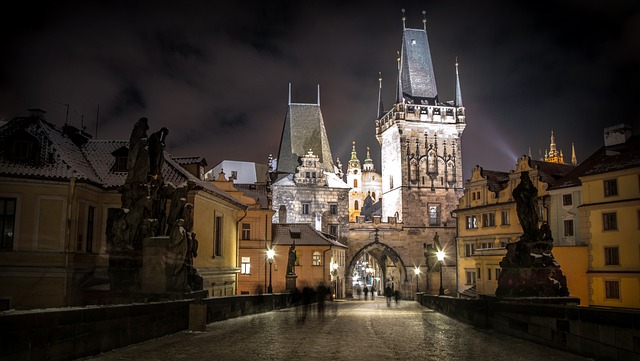
In addition to its geographic positioning, Prague’s appeal as an Eastern and Western European destination is also shaped by its rich history. Over the centuries, the city has been influenced by various cultures, from the Bohemian and Habsburg empires to the Soviet era and the Velvet Revolution. This diverse historical backdrop has left an indelible mark on Prague’s cultural landscape, making it a captivating destination for history enthusiasts. Visitors can explore the medieval Old Town, admire the grandeur of Prague Castle, or immerse themselves in the vibrant art scene that seamlessly combines traditional and contemporary elements. Whether you venture into the charming streets of Malá Strana or soak in the panoramic views from Charles Bridge, Prague’s ability to embrace both Eastern and Western Europe is evident at every turn.
8. Future Projections: Predicting Prague’s Potential Shifts between Eastern and Western Alignments
As Prague, the beautiful capital of the Czech Republic, sits at the crossroads of Eastern and Western Europe, its political and economic alignments have been a subject of debate and speculation. In this post, we delve into the future projections regarding Prague’s potential shifts between Eastern and Western alignments, shedding light on the fascinating geographical insights that contribute to this ongoing discussion.
1. Geographical Location:
Located in Central Europe, Prague is situated closer to the western part of the continent, favoring its proximity to Western Europe. This geographical advantage has historically led to closer ties with Western countries, particularly Germany and Austria. Its strategic location along the Vltava River has facilitated trade routes, cultural exchanges, and diplomatic connections with both the East and the West.
2. Historical Legacy:
Throughout history, Prague has witnessed a complex interplay between Eastern and Western influences. While it embraced western ideologies, such as the Renaissance and Enlightenment movements, it also experienced the influence of the Soviet Union during the Cold War period. This historical legacy has created a unique cultural blend, where remnants of both eastern and western traditions can be found within the city’s architecture, art, and societal norms.
9. Enhancing Prague’s Global Outlook: Recommendations for Strengthening Eastern and Western Ties
Eastern Europe and Western Europe have long been distinct regions both geographically and politically, but the city of Prague challenges these boundaries in unique ways. Situated in the heart of Central Europe, Prague occupies a strategic location that blends Eastern and Western influences, making it a fascinating melting pot of cultures.
One of the key aspects that contribute to Prague’s unique position is its geographic location on the cultural and historical divide between Eastern and Western Europe. With its close proximity to Germany, Austria, and Poland, Prague has historically served as a bridge between these two regions, facilitating close ties and exchanges. This has allowed the city to adopt and assimilate cultural elements from both Eastern and Western Europe, resulting in a rich tapestry of architecture, art, cuisine, and traditions.
Moreover, Prague’s international connections and global outlook have further strengthened its ties with both Eastern and Western Europe. The city serves as an attractive destination for international businesses, institutions, and tourists alike, fostering economic and cultural exchange. Prague’s cosmopolitan atmosphere, coupled with its historical heritage, makes it a hub for multinational organizations, conferences, and events. The city’s well-connected transportation infrastructure and modern amenities further enhance its global appeal, attracting visitors from all corners of the world to explore and experience Prague’s exceptional blend of Eastern and Western influences.
In conclusion, Prague’s geographic insights challenge the traditional division between Eastern and Western Europe. Situated at the crossroads of these two regions, the city embraces its diverse heritage, making it a truly captivating destination that embodies the best of both worlds. Whether you’re wandering through the historic streets of the Old Town, marvelling at the Gothic beauty of Prague Castle, or indulging in the local cuisine, Prague’s ability to harmoniously weave together Eastern and Western elements is sure to leave a lasting impression on any visitor.
10. Embracing Prague’s Dichotomy: Celebrating the Blend of Eastern and Western European Influences
Prague, the picturesque capital of the Czech Republic, is often referred to as the heart of Europe, where the influences of both the East and the West seamlessly blend together. This enchanting city represents a perfect dichotomy, celebrating the rich and diverse cultural heritage that stems from its unique geographical location.
Although geographically located in Central Europe, Prague holds a distinct blend of both Eastern and Western European influences. Let’s explore the factors that contribute to this intriguing dichotomy:
- The Historical Crossroads: Situated at the crossroads of ancient trade routes, Prague has historically been a melting pot of different cultures and civilizations. From the Western Roman Empire to the Byzantine Empire, from the Austro-Hungarian Empire to the Soviet Union, the city has experienced the impact of diverse Eastern and Western powers.
- Architectural Marvel: Prague boasts a remarkable architectural landscape that beautifully reflects the blend of Eastern and Western styles. The city’s historic center, a UNESCO World Heritage Site, showcases an eclectic mix of Gothic, Baroque, Renaissance, and Art Nouveau architecture. You can marvel at the intricate details of the Prague Castle, stroll along the iconic Charles Bridge, or be captivated by the grandeur of the Prague National Theatre.
- Art and Culture: Prague, often called the “Paris of the East,” is renowned for its vibrant art and cultural scene. The city has been a source of inspiration for artists, writers, and musicians from both the East and the West. Icons like Franz Kafka, Antonín Dvořák, and Alfons Mucha have left an indelible mark on Prague’s artistic legacy, attracting visitors from around the globe.
- Food, Drink, and Hospitality: The culinary scene in Prague combines influences from Eastern and Western European cuisines. From hearty Czech classics like goulash and svíčková to delicate pastries and traditional Moravian wines, Prague offers a delectable fusion of flavors. The city’s hospitality also exemplifies the blend of Eastern and Western traditions, ensuring a warm and welcoming experience for visitors.
To Conclude
In conclusion, the question of whether Prague is considered Eastern or Western Europe can be answered with a carefully considered geographical perspective. While historically and culturally rich, Prague lies in the heart of Central Europe, nestled between the Eastern and Western regions. Its location on the western side of the Vistula River places it firmly in the Western European watershed, contributing to its affinity with countries like Germany, Austria, and France. However, Prague’s history of influence from the east, particularly from the former Soviet Union, lends it some Eastern European attributes as well.
Key Takeaways:
1. Prague occupies a unique position within Europe, straddling the boundaries of Eastern and Western regions.
2. Geographically, Prague lies in Central Europe, with influences from both sides.
3. The city’s location on the western side of the Vistula River aligns it more closely with Western Europe.
4. Prague’s historical ties to the east, particularly the former Soviet Union, contribute to its reputation as having Eastern European attributes.
5. It is important to consider both historical and geographical factors when determining Prague’s classification within Europe.
Získejte naše nejnovější články, návody a tipy přednostně ve vyhledávání Google a v AI přehledech.


