How to Read the Astronomical Clock in Prague: Clock Insights
Welcome to the enchanting city of Prague, where time is not just a passing moment but a mesmerizing tale waiting to be unraveled. Standing tall in the historic Old Town Square is the Astronomical Clock, a true masterpiece that has been captivating both locals and travelers for centuries. But, how can one decipher the secrets hidden within its intricate gears and dials? Fear not, for in this article, we will guide you through the intriguing realm of the Astronomical Clock, unveiling its mysteries and helping you understand its fascinating mechanism. Prepare to embark on a journey that will open your eyes to the celestial wonders of Prague’s most beloved timekeeper.
1. Understanding the Anatomy of Prague’s Astronomical Clock: A Guide to its Intricate Components
The Prague Astronomical Clock, located in the heart of the Czech capital, is a true marvel of engineering and artistry. As one of the oldest clocks of its kind still in operation, it has captivated visitors for centuries with its intricate components and breathtaking displays. To truly appreciate the beauty and complexity of this incredible timepiece, it’s important to have a basic understanding of its anatomy.
At the core of the Astronomical Clock is the astrolabe, a mechanical device that tracks the position of the sun, moon, and stars in relation to the Earth. This allows the clock to accurately display the time, date, and astronomical information. Surrounding the astrolabe are four main components: the main hands, the zodiac ring, the apostle parade, and the calendar dial. The main hands, consisting of an hour hand, a minute hand, and a sun hand, indicate the current time. The zodiac ring, featuring the 12 signs of the zodiac, rotates quarterly and tracks the position of the sun in the astrological calendar. The apostle parade, which comes to life hourly, showcases a procession of the apostles, each representing a different virtue. And finally, the calendar dial displays the day, month, and position of the sun on the ecliptic.
Understanding the anatomy of the Prague Astronomical Clock allows you to fully appreciate the centuries-old craftsmanship and complexity behind this remarkable timepiece. As you stand before it, take a moment to observe each component and contemplate the ingenuity and artistry that went into its creation. Whether you’re a history lover, an engineering enthusiast, or simply curious about one of Prague’s greatest treasures, the Astronomical Clock is sure to leave you in awe of its intricate design and enduring beauty. So next time you find yourself in this enchanting city, remember to take the time to explore the wonders of this architectural masterpiece.
2. Deciphering the Astronomical Clock’s Outer Dial: Time, Zodiac Signs, and Astronomical Symbols
The outer dial of the Astronomical Clock in Prague holds a wealth of information that takes you on a journey through time and space. Let’s unravel the mysteries of this mesmerizing dial and discover the hidden meanings behind its intricate design. Firstly, the outer dial tells the time in a 24-hour format, unlike the standard 12-hour clock. The golden hand indicates the current hour, while the smaller blue hand represents the minutes. Pay close attention to this mechanism and you’ll effortlessly keep track of time in Prague, a city steeped in history and wonder.
Beyond the timekeeping function, the outer dial showcases the twelve zodiac signs, each beautifully depicted with remarkable detail. These zodiac symbols, representing different astrological signs, rotate with the movement of the clock, giving you a celestial guide to the current date. Keep an eye on your zodiac sign and feel the cosmic connection between the heavens and Prague’s vibrant atmosphere. Moreover, intertwined among the zodiac signs are intricate astronomical symbols. These symbols, a combination of stars and celestial bodies, offer insights into the ancient ways of tracking celestial events. Allow your curiosity to guide you through the mesmerizing patterns and you’ll uncover a secret language that once guided astronomers and astrologers. Let the Astronomical Clock’s outer dial be your portal to understanding the celestial mysteries that have captivated minds for centuries and still continue to do so today.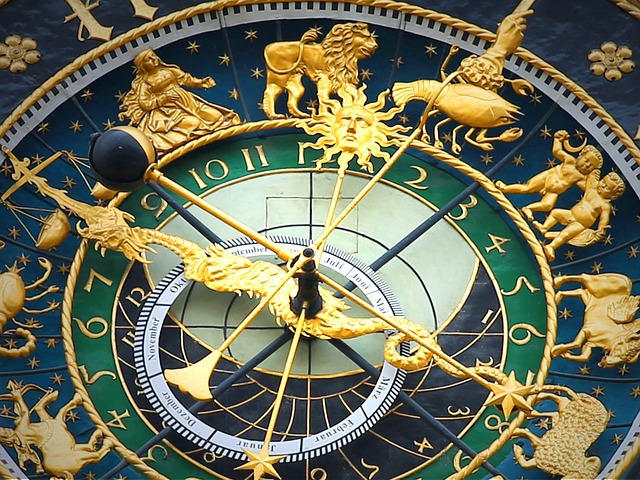
3. The Inner Workings Revealed: Unlocking the Secrets of the Astronomical Clock’s Calendar and Apostles
As you stand in front of the mesmerizing Prague Astronomical Clock, its intricate design and intricate mechanisms may leave you wondering about its inner workings. Fear not, for we are here to unlock the secrets of this iconic timepiece’s calendar and apostles.
The Calendar:
The outer ring of the clock showcases the calendar, allowing you to keep track of the date. Here’s how to read it:
- Months: The twelve months are represented by beautiful medallions, each featuring a zodiac sign.
- Days of the Week: The seven days of the week are symbolized by unique depictions, such as a blacksmith for Tuesday or a hunter for Wednesday.
- Moon Phases: The moon disc depicts the phases of the moon, allowing you to identify whether it’s a new moon, crescent, half moon, or full moon.
The Apostles:
At the top of the hour, watch closely as the twelve Apostles appear in the two small windows above the calendar. Here’s what you need to know about this captivating display:
- Duration: The apostles come out one by one, each taking their turn and remaining visible for about 45 seconds.
- Motions: Observe their movements closely as some may bless the crowd, while others turn their heads.
- Order: The sequence in which the apostles appear is not random. They appear in the chronological order of the days of the week.

4. Observing the Animated Spectacle: Exploring the Harmonious Dance of the Apostles
As you stand in front of the remarkable Astronomical Clock in Prague, one of the most captivating displays is the animated spectacle known as the Harmonious Dance of the Apostles. This mesmerizing feature takes place every hour, attracting crowds of tourists eager to witness the intricate movements of the clock’s figurines. By understanding how to read the clock and decipher the symbolism behind the apostles, you can truly appreciate the historical significance and artistic mastery that this spectacle represents.
During the Harmonious Dance of the Apostles, twelve elegant apostles emerge from the two small doors above the clock face. Each apostle represents a different virtue or moral value. To fully grasp the meaning behind the dance, it’s important to recognize these symbolic figures and their corresponding attributes. Here are some essential insights:
- Saint Peter: Recognized by his golden key, Peter symbolizes faith and fellowship.
- Saint Paul: Holding a sword and a book, Paul signifies strength and the Word of God.
- Saint Matthew: Representing patience and humility, Matthew holds a halberd.
- Saint Andrew: The figure with a saltire cross embodies bravery and valor.
- Saint John: Holding a cup with a serpent, John represents divine love and loyalty.
- Saint James the Greater: Recognized by his pilgrim staff and a Bible, James symbolizes spiritual guidance.
These are just a few examples of the apostles and their corresponding qualities that come alive in the Harmonious Dance. By closely observing and appreciating the delicate movements and symbolism, you can gain a deeper understanding of the rich history and cultural significance behind this unique display. So, the next time you find yourself in Prague, make sure to dedicate some time to witness the captivating spectacle of the Apostles’ Harmonious Dance and unlock the secrets embedded in the Astronomical Clock.
5. The Astronomical Clock’s Unique Astronomical Insights: Sundials, Equinoxes, and the Orbit of the Sun
The Astronomical Clock in Prague is not just a remarkable time-keeping device, but it also provides unique astronomical insights to those who know how to read it properly. By understanding its intricacies, you can unlock a wealth of knowledge about sundials, equinoxes, and the orbit of the Sun. Let’s dive into these fascinating aspects of the clock and explore the wonders it holds.
1. Sundials: The Astronomical Clock incorporates several sundials that provide information on the position of the Sun throughout the day. By observing the shadow cast by the rotating hand, you can determine the time accurately. Visit the clock during different hours to witness the movement of the shadow and understand the precise calculations involved in generating the sundial display.
2. Equinoxes: The clock also showcases the two equinoxes of the year – the moments when the Sun crosses the celestial equator. During these times, the clock’s hands align with specific markings, granting you insights into the changing seasons. Taking note of these alignments on the clock can deepen your understanding of Earth’s position in relation to the Sun and the solstices.
3. Orbit of the Sun: One of the most fascinating features of the Astronomical Clock is its representation of the Sun’s orbit around the Earth. It showcases the elliptical path of our closest star and allows you to visualize its movement throughout the year. This unique display emphasizes the changing lengths of days and nights and highlights the occurrence of solstices and equinoxes.
By immersing yourself in the wonders of the Astronomical Clock in Prague, you can gain a deeper appreciation for the intricacies of our solar system and the connection between time and the celestial world. Take the time to explore this masterpiece, and let its unique astronomical insights mesmerize you.
6. Harnessing the Historical Significance: Unveiling Prague’s Celestial Timekeeping Tradition
How to Read the Astronomical Clock in Prague: Clock Insights
Prague’s iconic Astronomical Clock, located in the heart of the city’s Old Town Square, stands as an extraordinary testament to the celestial timekeeping tradition that has fascinated both locals and visitors for centuries. Harnessing its historical significance, this astronomical marvel offers more than just the display of time—it unveils a captivating blend of art, science, and history.
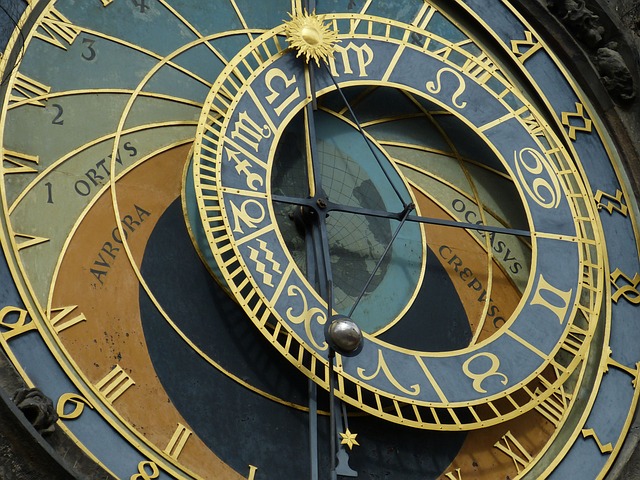
The ornate clock face is divided into several sections, each revealing its own unique information. At the top of the dial, you’ll find a representation of the zodiac circle, where twelve constellations encircle the sun. As the day progresses, the sun hand moves along the zodiac circle, indicating the current astrological sign. Just below this, a smaller circle features Roman numerals, highlighting the hour of the day. Meanwhile, the outer ring displays the minutes in Arabic numerals—both features make reading the clock a breeze.
- Look for the moving skeleton figurine announcing the time on the hour—this spectacle never fails to attract a crowd.
- Examine the medallions below the clock face, each represents a different aspect of time—local time, Babylonian time, and sidereal time.
- Pay attention to the intricate images on the clock’s blue background, such as the depiction of the Prague coat of arms, the moon phases, and the phases of Venus.
Standing beneath the Astronomical Clock in Prague, you will be transported back in time, marveling at the celestial wonders it brings to life. It is a remarkable masterpiece that seamlessly combines artistry, functionality, and historical significance—a true symbol of Prague’s rich heritage.
7. Insider Tips to Enhance Your Astronomical Clock Experience: Ideal Viewing Spots and Best Times to Visit
If you’re planning a trip to Prague, the Astronomical Clock is a must-see attraction. This intricate timepiece, located in the heart of the city, not only tells the time but also showcases a fascinating display of astronomical and medieval motifs. To make the most of your visit, we’ve gathered some insider tips to enhance your experience.
First and foremost, finding the ideal viewing spot is key. While the clock is visible from various angles in the Old Town Square, the best spot to fully appreciate its beauty is directly in front of the Old Town Hall. From this vantage point, you’ll have a clear view of the entire mechanism and its mesmerizing procession of figurines. To avoid the crowds, try to visit early in the morning or later in the evening, as the clock tends to be surrounded by eager onlookers during the peak hours of the day.
Additionally, the astronomical clock comes to life with its hourly show, known as the “Walk of the Apostles.” This captivating display represents the Twelve Apostles, who appear from small windows above the clock’s face. To catch this enchanting spectacle, be sure to time your visit accordingly. The show takes place every hour, but keep in mind that it is shorter during winter months. Lastly, make sure to look out for the intricate details of the surrounding astronomical symbols, zodiac signs, and the elusive figure of Death, as they all add to the rich tapestry of this medieval marvel. By following these insider tips, you’ll have an even more memorable experience with Prague’s Astronomical Clock.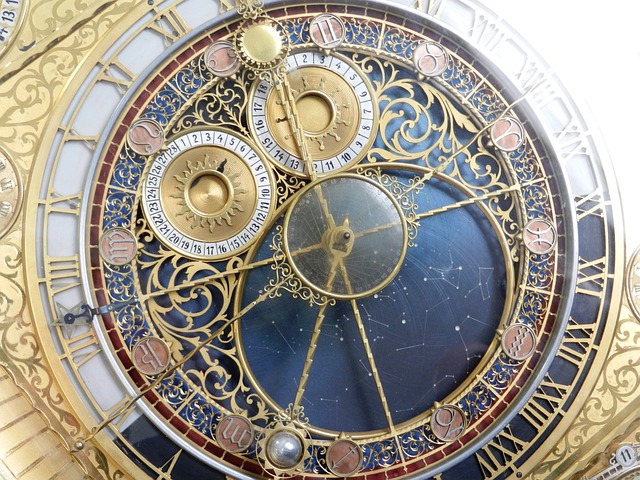
8. Nighttime Magic: Illuminating the Astronomical Clock’s Night Show and Astronomical Performances
Witness the enchanting nighttime magic of the Astronomical Clock in Prague as it comes to life with its captivating night show and mesmerizing astronomical performances. As the sun sets, the clock’s intricate mechanisms unleash a visually stunning display that illuminates the entire Old Town Square. The night show is a grand spectacle of lights, shadows, and moving figurines, all choreographed to mimic the celestial dance of time.
During the night show, the Astronomical Clock showcases its astronomical performances, which reveal the positions of the stars and planets in the night sky. Through a meticulously crafted mechanism, the clock accurately depicts the movement of celestial bodies, allowing viewers to witness the wonders of astronomy unfold right before their eyes. As each celestial sphere spins and rotates, the clock provides a fascinating glimpse into the universe and its celestial rhythms.
To fully appreciate the nighttime magic of the Astronomical Clock, take a moment to understand its intricate design and symbolism. The clock’s face features a range of astronomical information, including the current position of the sun, the phases of the moon, and the zodiac signs. The unique charm lies in its ability to seamlessly blend art, science, and spirituality into a single masterpiece.
When visiting Prague, make sure to experience the Astronomical Clock’s night show and astronomical performances. Allow yourself to be transported to a world where time itself becomes a dazzling spectacle, where the mysteries of the universe unfold right before your eyes. It is a truly unforgettable experience that will leave you in awe of the ingenuity and beauty of this centuries-old timekeeping marvel.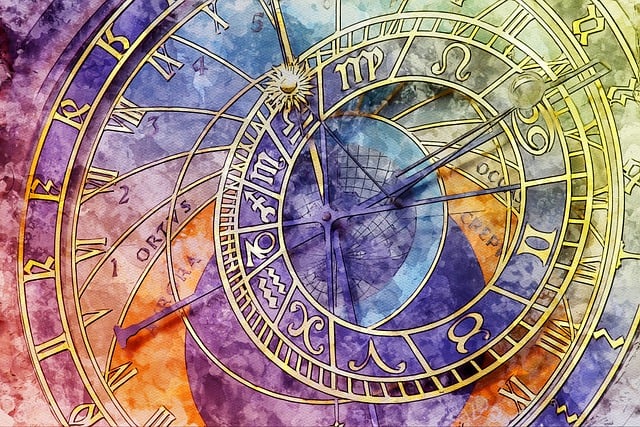
9. Expert Recommendations for Capturing the Perfect Astronomical Clock Photographs
When it comes to photographing the iconic Astronomical Clock in Prague, there are a few expert tips and tricks that can elevate your shots to the next level. Our team of seasoned photographers has compiled a list of recommendations to help you capture the perfect image of this awe-inspiring timepiece.
1. Timing is Everything: To capture the true beauty of the Astronomical Clock, visit early in the morning or late in the evening. During these times, the soft natural light enhances the intricate details of the clock’s design, creating a more ethereal and captivating image.
2. Find the Perfect Angle: Experiment with different angles and perspectives. Get up close to capture the mesmerizing details of the clock or step back to include more of the surrounding architecture. Play with composition and frame the clock against the backdrop of Prague’s stunning skyline for a unique shot that showcases both the clock and the city’s charm.

10. Preserving Prague’s Timekeeping Jewel: How the Astronomical Clock Is Cared for and Maintained
The Astronomical Clock in Prague, also known as Orloj, is not just a beautiful piece of art; it is a masterpiece of timekeeping that has been ticking since the 15th century. Preserving this timekeeping jewel requires careful attention and maintenance to ensure its accuracy and functionality.
At the heart of the Astronomical Clock lies a complex mechanism consisting of various dials, gears, and sculptures. To read the clock, start by understanding the main dial, which displays the hours in Roman numerals and the minutes in Arabic numerals. The position of the Sun and Moon hands will tell you the time of the day, while the Zodiac ring provides information about the current zodiac sign. Additionally, don’t forget to pay attention to the weekly placement hand, which indicates the day of the week.
Maintaining this iconic clock involves a team of dedicated experts who meticulously care for every aspect of its operation. Here are some of the key preservation efforts undertaken:
1. Regular inspections: The clock is regularly inspected to identify any potential issues or signs of wear and tear.
2. Cleaning and restoration: The delicate sculptures and intricate mechanisms are cleaned and restored using specialized techniques, ensuring their longevity.
3. Lubrication: Proper lubrication of the clock’s gears is crucial to maintain its smooth operation.
4. Calibration: The clock is periodically calibrated to ensure accurate timekeeping and alignment with astronomical events.
5. Environment control: The surroundings are carefully managed to maintain optimal conditions for the clock, including temperature and humidity control.
Thanks to the meticulous care and attention given to the Astronomical Clock, it continues to grace Prague’s Old Town Square, enchanting visitors from around the world with its timeless beauty and accurate timekeeping abilities.
Final Thoughts
In conclusion, the Astronomical Clock in Prague is not just a beautiful piece of art, but also a fascinating timekeeping masterpiece. By understanding its various components and their symbolism, you will be able to read the clock with confidence and gain deeper insights into its historical and astronomical significance.
Key Takeaways:
1. The Astronomical Clock in Prague dates back to the 15th century and is one of the oldest functioning clocks in the world.
2. The clock showcases four main components: the astronomical dial, the calendar dial, the moving statues, and the hourly show.
3. The astronomical dial displays the position of the Sun, the Moon, and other celestial bodies, enabling you to track time and astronomical events.
4. The calendar dial indicates the date, month, and zodiac signs, offering a comprehensive view of the year.
5. The moving statues represent various virtues and vices, reminding us of the passing of time and the importance of leading a balanced life.
6. The hourly show is a spectacle to behold, as it features the 12 apostles appearing one by one, accompanied by figurines depicting the punishment of the sinful.
7. By understanding the complex symbolism and purpose behind the clock’s design, you will appreciate its historical and cultural significance even more.
8. A visit to Prague is incomplete without experiencing the Astronomical Clock, so make sure to allocate time for this unique and enchanting attraction.
In short, the Astronomical Clock in Prague is a true marvel that combines art, astronomy, and timekeeping. By delving into its intricacies and deciphering its secrets, you will not only read the time but also unlock a deeper understanding of this extraordinary clock’s legacy. So, next time you find yourself in Prague, be sure to take a moment to admire and appreciate this remarkable piece of history.