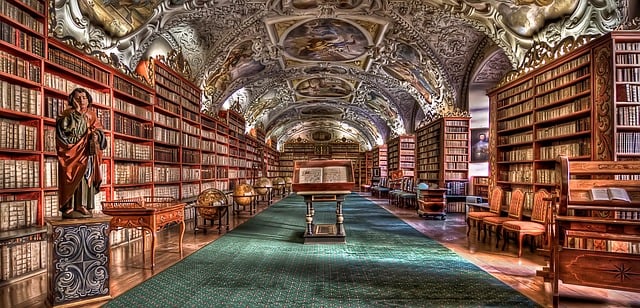
Why Does Czech Republic Have So Many Castles: Historical Heritage
Welcome to the enchanting land of the Czech Republic, a place where castles seem to emerge from every picturesque hilltop and valley. You might wonder, why does this country boast such an extraordinary wealth of castles? Brace yourself for a fascinating journey through Czech history as we unravel the secrets behind its prolific castle heritage. From conquerors and kings to knights and nobles, this article will delve into the historical context, political alliances, and architectural marvels that have shaped the Czech Republic’s landscape. Join us as we explore the magic and mystique surrounding these magnificent fortresses and uncover the reasons behind the country’s enduring castle legacy.
– The Medieval Origins of Czech Castles: Unveiling the Rich Historical Heritage
The Medieval Origins of Czech Castles: Unveiling the Rich Historical Heritage
The Czech Republic is often dubbed the “Land of Castles,” and for a good reason. Nestled among enchanting landscapes, this fascinating country boasts an impressive number of castles that date back to the medieval era. Exploring these architectural marvels offers a glimpse into the country’s rich historical heritage.
The Czech castles have a storied past, originating from the 9th century when the first fortified structures were built to protect the Bohemian duchy. Over the following centuries, the construction and expansion of these castles played a vital role in the political, social, and economic development of the region. Here are some key factors that contributed to the abundance of Czech castles:
- Geographical Advantage: The Czech Republic’s strategic location in the heart of Europe made it a coveted region for numerous rulers. Its central position allowed rulers to control vital trade routes, resulting in the establishment of strongholds and castles throughout the land.
- Political Power Struggles: The Czech lands witnessed turbulent times, with various rulers vying for dominance. As a result, numerous castles were built or fortified as defensive structures during periods of political instability or territorial disputes.
- Architectural Excellence: The Czech castles exhibit exceptional architectural styles, ranging from Romanesque and Gothic to Renaissance and Baroque. These magnificent structures provided a showcase for the wealth, power, and artistic capabilities of the ruling families.
- Preservation Efforts: Despite the trials of time and conflicts, many Czech castles have been remarkably well-preserved or reconstructed, thanks to the commitment of local communities and historical preservation organizations. These efforts allow visitors to experience the mystique and grandeur of centuries past.
As you embark on a journey through the Czech Republic, make sure to traverse the enchanting landscapes and immerse yourself in the medieval origins of its castles. Each fortress holds captivating tales of centuries-old nobility, turbulent historical events, and architectural brilliance, making it a truly unforgettable experience.

– Exploring the Strategic Importance of Czech Castles: A Key to Understanding their Proliferation
Czech Republic is a country known for its enchanting castles that dot the picturesque landscape. These architectural masterpieces are not only captivating to the eye, but they also hold immense historical and strategic importance. Their proliferation within the Czech Republic can be attributed to a variety of factors.
Firstly, the strategic location of the Czech castles played a crucial role in the preservation and expansion of power during medieval times. Positioned atop hills or cliffs, these fortresses provided a vantage point, giving their inhabitants a clear view of approaching enemies or potential invaders. This allowed for effective defense and control over important trade routes, making the castles an essential part of the country’s defense strategy.
Moreover, the Czech castles were not only military strongholds but also served as administrative centers. Many were built by noble families or ruling dynasties to exert their authority and maintain control over their territories. These castles housed important government offices, courts, and treasury secrets. They were also venues for hosting diplomatic meetings and lavish events, further solidifying the rulers’ influence and prestige.
Unnumbered List:
– Czech castles provided a vantage point, ensuring effective defense and control over trade routes.
– They served as administrative centers with government offices, courts, and treasury secrets.
– Castles were venues for hosting diplomatic meetings and lavish events.
Bold:
The strategic importance of Czech castles is undeniable, as they were key to defending the land, maintaining control, and exhibiting power. Understanding their proliferation allows us to appreciate the rich historical heritage they carry and why the Czech Republic boasts a multitude of these magnificent structures.
– Renaissance Influence on Czech Castles: A Testament to the Country’s Cultural Renaissance
Renaissance Influence on Czech Castles: A Testament to the Country’s Cultural Renaissance
The Czech Republic is renowned for its vast number of castles that dot the picturesque landscape, each with its own story to tell. These architectural marvels not only serve as a testament to the country’s rich history but also provide a glimpse into its unique cultural renaissance. One cannot overlook the significant influence of the Renaissance era on Czech castles, which played a pivotal role in shaping their distinctive features and grandeur.
During the Renaissance period, which flourished in Europe between the 14th and 17th centuries, Czech Republic experienced a remarkable surge in artistic and intellectual activity, resulting in a profound transformation of its architectural landscape. The wealth and power of noble families in Czech lands made them avid patrons of the arts, commissioning renowned architects and craftsmen to build and renovate their castles. The Renaissance stylings, characterized by harmony, balance, and symmetry, soon found their way into the design and construction of these magnificent structures.
- Architectural elements: Czech castles are known for their graceful arcades, elegant balustrades, and intricately decorated facades. The Renaissance influence is especially evident in the ornate doorways and windows adorned with decorative columns, pilasters, and cornices.
- Interior enhancements: The Renaissance movement greatly emphasized humanism and the pursuit of knowledge. As a result, Czech castles boast lavishly decorated interiors featuring exquisite frescoes, stucco ceilings, and sumptuous tapestries, showcasing the intellectual and artistic achievements of the era.
- Landscaped gardens: Another hallmark of Renaissance influence on Czech castles is the creation of expansive gardens that perfectly complement the majestic architecture. These meticulously designed gardens adorned with ornate fountains, geometric hedges, and serene ponds, provided a space for nobles to relax and appreciate the beauty of nature.
The Renaissance influence on Czech castles is undeniable, as each castle stands as a testament to the country’s cultural renaissance. Visitors to these magnificent structures are transported back in time, immersing themselves in the rich history and artistic achievements that have shaped the Czech Republic into the captivating destination it is today.

– From Fortresses to Palaces: How Czech Castles Transformed Over the Centuries
Czech Republic is home to an astonishing number of castles, each with its own rich history and architectural marvels. These majestic structures have played a pivotal role in shaping the country’s cultural heritage, reflecting the diverse influences that have swept through the region over the centuries. From towering fortresses to opulent palaces, Czech castles have witnessed a remarkable transformation, charting the nation’s evolution through the ages.
Initially constructed as fortresses to defend against invading forces, Czech castles gradually evolved into symbols of power and prestige. As the country’s rulers grew more prosperous, they transformed these fortresses into elaborate palaces, adorning them with intricate decorative elements and luxurious furnishings. One can uncover a fascinating blend of architectural styles within these castles, ranging from the medieval to the Gothic, Renaissance, and Baroque periods. The ornate facades, soaring towers, and grand halls within the walls of these castles speak volumes about the opulent lifestyle enjoyed by Czech nobility throughout history.
Today, Czech castles serve as living testaments to a bygone era, welcoming visitors from around the world to discover their allure. Upon entering these magnificent structures, one can wander through centuries-old chambers filled with art, furniture, and artifacts that offer a glimpse into the lives of the royals who once called these castles home. From the iconic Prague Castle, perched high above the city, to the fairy-tale-like Český Krumlov Castle with its charming gardens, each castle holds its own unique story waiting to be unraveled. Embark on a journey through time as you explore these exceptional fortresses-turned-palaces, and immerse yourself in the captivating history of the Czech Republic’s unrivaled castle heritage.
– Architectural Splendor: Unraveling the Unique Styles of Czech Castles
Czech castles are renowned for their architectural splendor, showcasing distinctive styles that have fascinated visitors for centuries. From the imposing strength of Gothic fortifications to the delicate charm of Renaissance chateaus, each castle tells a story of Czech history and culture. Exploring these majestic structures is like stepping into a time warp, where you can unravel the unique architectural styles that have evolved over centuries.
One prominent architectural style found in Czech castles is Gothic. Characterized by its pointed arches and ribbed vaults, Gothic architecture reached its height of popularity in the 13th century and can be seen in iconic castles such as Karlštejn. These castles often feature tall towers, fortified walls, and intricate stone carvings, creating a sense of grandeur and fortification. The massive proportions and vertical emphasis of Gothic architecture evoke a powerful presence that is sure to leave visitors in awe.
Another notable architectural style seen in Czech castles is Renaissance. This style emerged during the 16th century, with influences from Italy spreading across Europe. Renaissance castles, like Český Krumlov, exhibit a more refined and elegant aesthetic. Characterized by symmetrical facades, harmonious proportions, and decorative elements, this style reflects a newfound appreciation for balance and proportion. Intricate details such as ornamental columns, sculptural reliefs, and colorful frescoes adorn the interior and exterior of these castles, creating a captivating visual feast for the eyes.
Whether you are intrigued by the fortress-like qualities of Gothic architecture or enamored by the sophisticated elegance of Renaissance design, Czech castles offer a rich tapestry of architectural styles that have withstood the test of time. As you wander through the corridors and chambers of these magnificent structures, you cannot help but be captivated by the craftsmanship and artistry that went into their creation. Each castle is a treasured piece of Czech history, standing as a testament to the country’s enduring cultural heritage.
– Noble Occupants: Tales of Royalty and Aristocracy With Czech Castle Connections
The Czech Republic is renowned for its rich historical heritage, and one aspect that stands out is its impressive collection of castles. Dotted throughout the picturesque countryside, these magnificent structures serve as vital links to the country’s past, offering a fascinating glimpse into the lives of royalty and aristocracy. From towering fortresses to elegant palaces, each castle in the Czech Republic tells its own unique tale.
One reason for the abundance of castles in the Czech Republic can be traced back to its strategic location in Central Europe. Throughout history, this region has frequently served as a crossroads for trade and migration, attracting the attention of various rulers and noble families. As a result, countless castles were erected to protect these territories and assert their power. This significant historical context makes exploring these castles a truly immersive experience, transporting visitors to a bygone era of kings and queens, knights and ladies-in-waiting. Exploring the castle grounds, visitors can stroll through splendid gardens, marvel at opulent interiors adorned with intricate frescoes, and even witness medieval reenactments, bringing history to life in a truly unforgettable way.
– Defenders and Invaders: The Role of Czech Castles in Historical Conflicts
Czech Republic is often referred to as the “Land of Castles,” and for good reason. With over 2,000 castles and chateaus scattered across the country, it boasts one of the highest densities of castles in the world. These historic landmarks not only showcase stunning architectural beauty, but they also bear witness to the rich and tumultuous past of this region. Among the countless castles in the Czech Republic, many have played key roles in historical conflicts, serving as both defenders and invaders throughout the ages.
Throughout its history, the Czech Republic has been at the crossroads of various empires and kingdoms, making it a coveted territory. As a result, castles were strategically built to defend against potential invaders and protect the Czech lands. Their ingenious defensive features, such as moats, drawbridges, and fortified walls, stand as a testament to the resourcefulness and creativity of the builders. These elements not only served as physical barriers but also as psychological deterrents, dissuading potential adversaries from launching attacks.
Moreover, Czech castles have also been at the forefront of invasions and power struggles. Countless battles have been fought in their halls and courtyards, leaving behind echoes of historical conflicts. Many castles were hotly contested and changed hands multiple times, as rival factions vied for control. This constant flux of power and influence has left a lasting impact on the architecture and design of these castles, with each passing ruler leaving their mark on the structures.
Today, these ancient castles stand as proud symbols of Czech history and cultural heritage. They offer visitors a captivating glimpse into the country’s past, serving as windows to a time of knights, kings, and conquests. Whether exploring the grandeur of Prague Castle, the largest ancient castle complex in the world, or uncovering hidden gems tucked away in picturesque landscapes, the legacy of Czech castles continues to captivate and inspire.
– Hidden Treasures: Lesser-Known Czech Castles Worth Discovering
The Czech Republic is renowned for its impressive collection of castles, which is a testament to the country’s rich historical heritage. While everyone has heard of famous castles like Prague Castle and Karlštejn Castle, there are hidden gems waiting to be discovered. These lesser-known Czech castles offer a unique glimpse into the country’s past and are well worth exploring.
One such hidden treasure is Hluboká Castle, often referred to as the “Czech Windsor.” Located in South Bohemia, this stunning neo-Gothic castle resembles the famous royal residence in England. Its picturesque setting, with a surrounding English-style park and a tranquil lake, adds to its charm. Visitors can marvel at the intricate architecture, interiors adorned with precious artwork, and a vast collection of historical artifacts. The castle also hosts regular cultural events and exhibitions, providing a comprehensive experience of Czech history and culture.
Another lesser-known castle worth discovering is Bouzov Castle, tucked away in Moravia. This medieval gem is renowned for its well-preserved architecture and captivating legends. As you explore its grand halls and imposing towers, you’ll be transported back in time. The castle boasts a fascinating mix of architectural styles, from Gothic to Renaissance, making it a true architectural marvel. Additionally, the castle’s idyllic surroundings provide opportunities for leisurely strolls and picnics, immersing visitors in a peaceful atmosphere. Bouzov Castle truly offers a hidden treasure for history enthusiasts and architecture lovers alike.
– Preserving the Legacy: Efforts to Conserve and Restore Czech Castles for Future Generations
Czech Republic is known for its impressive number of castles, boasting a rich historical heritage that captures the imagination of both locals and visitors alike. These ancient fortresses, scattered throughout the picturesque countryside, serve as a reminder of the country’s fascinating past and the artistry and craftsmanship of previous generations.
Efforts to conserve and restore Czech castles are of paramount importance to ensure that future generations can continue to enjoy and appreciate these architectural marvels. Dedicating resources to preserve these historic landmarks plays a vital role in maintaining the cultural identity of Czech Republic and serves as a testament to the country’s commitment to its heritage. Restoration work often includes:
- Structural Stabilization: Addressing any structural issues to ensure the long-term stability and safety of the castle.
- Preservation of Artworks: Conserving and restoring precious paintings, sculptures, and other artistic elements found within the castles.
- Historical Documentation: Conducting thorough research to accurately document the historical significance and stories associated with each castle.
By undertaking such preservation efforts, Czech Republic aims to maintain the charm and allure of these castles for generations to come. Efforts are also made to improve visitor experiences, providing educational programs, interactive displays, and guided tours that not only showcase the architectural beauty but also offer insights into the history, culture, and lifestyle of the eras in which these castles thrived. Preserving these architectural gems ensures that the legacy of Czech Republic’s past remains alive and accessible, allowing all to appreciate the richness of its cultural heritage.
In Retrospect
In conclusion, the Czech Republic boasts an impressive array of castles, giving it a unique historical heritage that captivates tourists from all over the world. The abundance of these majestic structures can be attributed to a combination of factors. Firstly, the country’s strategic location in the heart of Europe exposed it to numerous invasions throughout history, prompting the need for fortified strongholds. Additionally, the Czech Republic’s rich feudal past, marked by the rule of various noble families, further contributed to the construction of castles as centers of power and symbols of wealth.
Visiting these castles allows us to delve into the fascinating history of this enchanting nation. Each castle offers a glimpse into a different era and architectural style, revealing the intricacies of Czech history. Whether it be the medieval charm of Karlštejn Castle or the romantic allure of Český Krumlov Castle, the Czech Republic’s castles provide us with a tangible connection to the past.
As we explore these magnificent fortresses, it becomes evident that the Czech Republic’s affinity for castles is deeply rooted in its cultural identity. The preservation of these architectural marvels serves as a testament to the nation’s commitment to its historical legacy. So, if you find yourself in the Czech Republic, do not miss the opportunity to unravel the mysteries of its castles—a journey that promises a truly remarkable and unforgettable experience.