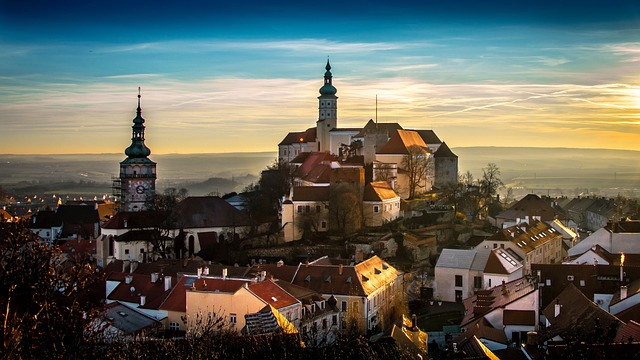
What Region Is Czech Republic In? Geographic Overview
Are you curious to know which region the beautiful Czech Republic belongs to? Look no further! In this article, we will provide you with a comprehensive geographic overview of this enchanting country. Nestled in the heart of Europe, the Czech Republic, also known as Czechia, is surrounded by Germany to the west, Austria to the south, Slovakia to the east, and Poland to the northeast. Its strategic location has shaped the country’s rich history, culture, and diverse landscapes. From majestic mountains and lush forests to charming cities and medieval towns, the Czech Republic is a treasure trove of natural beauty and historical wonders. So, let’s embark on this journey and unveil the region that the Czech Republic proudly calls home.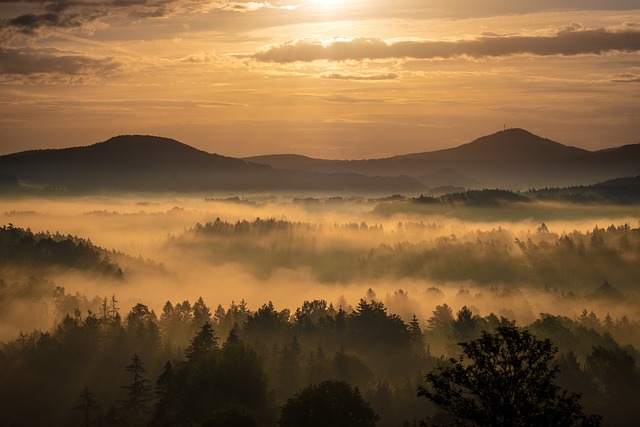
Regions of the Czech Republic: Exploring the Geographical Overview
Czech Republic, located in the heart of Europe, is a country divided into 14 regions, each with its own distinct characteristics and charm. Let’s delve into the geographical overview of these regions and discover the diverse landscapes that make up this beautiful country:
1. Bohemia: Situated in the western part of the Czech Republic, Bohemia is known for its breathtaking architecture, medieval castles, and lush forests. Famous attractions include Prague, the enchanting capital city, and Český Krumlov, a fairytale-like town with its UNESCO-listed castle.
2. Moravia: Located in the eastern part of the country, Moravia offers a more relaxed and rural setting. Here, visitors can explore picturesque vineyards, quaint chateaux, and vibrant cities such as Brno, the second-largest city in the Czech Republic. Don’t miss the opportunity to wander through the rolling hills of the Moravian Karst, famous for its stunning limestone caves.
3. Silesia: Bordering both Poland and Slovakia, Silesia boasts a rich industrial history and a unique blend of cultures. This region is home to Ostrava, a city known for its coal mining heritage and vibrant arts scene. Nature enthusiasts will be captivated by the Beskydy Mountains, where hiking and winter sports are popular.
4. And many more! From the picturesque region of South Bohemia with its charming countryside and historic towns like České Budějovice, to the wine-growing region of South Moravia, where visitors can indulge in tastings at local vineyards – the Czech Republic has something for everyone. Explore the stunning landscapes, immerse yourself in the rich history, and savor the traditional cuisine that each region has to offer during your visit to this geographically diverse country.
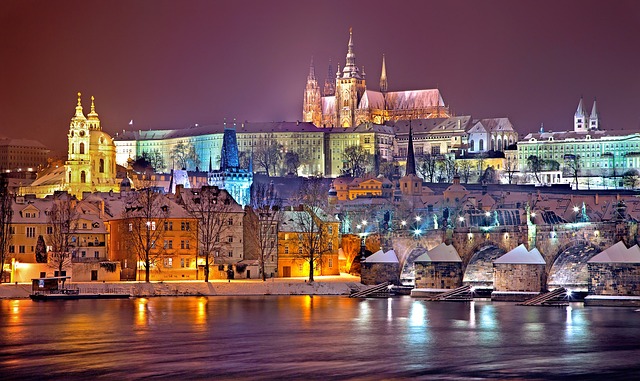
Geographical Location of Czech Republic: Understanding its Regional Placement
When it comes to the geographical location of the Czech Republic, it is situated right in the heart of Europe. This landlocked country shares borders with Germany to the west, Austria to the south, Slovakia to the east, and Poland to the northeast. Its central position makes it an ideal hub for exploring the diverse regions that surround it. Offering a unique blend of landscapes and climates, the Czech Republic is divided into fourteen administrative regions, each with its own distinctive characteristics and attractions.
From the stunning mountainous region of Krkonoše in the north to the picturesque Bohemian Forest in the southwest, the Czech Republic boasts a rich tapestry of natural beauty. The Central Bohemia region is home to the majestic Elbe River, while the South Bohemia region captivates visitors with its serene lakes and charming countryside. In Moravia-Silesia, you can discover the vibrant cities of Ostrava and Opava, contrasted by the tranquility of the Beskydy Mountains. With all its diverse regions, the Czech Republic truly offers something for everyone to explore and enjoy.
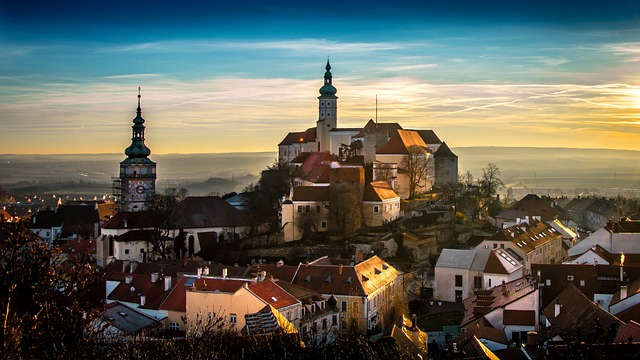
Divisions of Czech Republic: Unraveling the Geographic Structure
The Czech Republic, located in the heart of Europe, is divided into several administrative units called regions. These regions play a significant role in the governance, economy, and cultural aspects of the country. There are a total of 14 regions, each with its own unique characteristics and attractions that make the Czech Republic a diverse and captivating destination to explore.
From the bustling city life of Prague in the Central Bohemia region to the picturesque landscapes of South Bohemia and its enchanting castles, the Czech Republic offers a wide range of experiences for visitors. The Moravian-Silesian region in the east is known for its industrial heritage, while the Pardubice region is synonymous with horse racing and the famous Pardubice Steeplechase. Whether you’re seeking historical sites, stunning natural beauty, or vibrant cultural events, each region offers its own charm and allure.
By unraveling the geographic structure of the Czech Republic, you’ll discover the diverse regions that make up this enchanting country, each with its own unique story to tell.

From Bohemia to Moravia: Discovering the Historical Regions of Czech Republic
When exploring the enchanting country of Czech Republic, it is important to understand its geographic makeup. Situated in the heart of Europe, this captivating nation is made up of three main historical regions: Bohemia, Moravia, and a small part of Silesia. Each region has its unique charm and rich history, offering visitors a chance to delve into the past and experience the diversity of this beautiful land.
Bohemia:
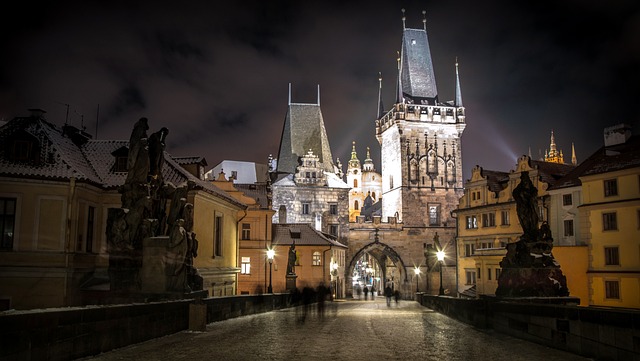
The region of Bohemia, located in the western part of the country, is the largest and most well-known region of Czech Republic. Known for its picturesque landscapes, including rolling hills, rivers, and captivating castles, Bohemia is a haven for nature enthusiasts. At its heart lies the enchanting city of Prague, the capital of Czech Republic, which boasts stunning architecture, a vibrant cultural scene, and a bustling atmosphere. Visitors can explore the magnificent Prague Castle, stroll along the iconic Charles Bridge, and immerse themselves in the rich historical and artistic heritage of this captivating region.
Moravia:
Tucked away in the eastern part of Czech Republic, Moravia offers a contrasting experience to Bohemia. This region is renowned for its lush vineyards, charming villages, and stunning natural beauty. Its vibrant cities, such as Brno and Olomouc, are vibrant hubs of culture, history, and innovation. Moravia is also home to the UNESCO-listed Lednice-Valtice Cultural Landscape, a paradise for architectural enthusiasts due to its incredible castles, landscaped gardens, and romantic follies. Visitors can indulge in delicious Moravian wines, soak in the relaxing spa towns, and embrace the laid-back atmosphere that permeates this captivating region.
Natural Landscapes of the Czech Republic: A Region by Region Breakdown
The Czech Republic, located in the heart of Central Europe, is comprised of fourteen diverse regions. Each region boasts its own unique natural landscapes, offering visitors a variety of breathtaking sights to explore. Let’s take a closer look at some of the picturesque regions that make up this stunning country:
1. Bohemia:
– Surrounded by rolling low mountains and green plains, Bohemia is known for its stunning natural beauty.
– Highlights include the Bohemian Paradise, a region filled with sandstone formations, and the České Švýcarsko National Park, home to deep gorges and majestic rock towers.
2. Moravia:
– Moravia, situated in the eastern part of the Czech Republic, mesmerizes with its vast vineyards and fertile plains.
– Discover the enchanting Moravian Karst, which is home to underground caves and deep abysses, or unwind in the Pálava wine region, famous for its outstanding vineyards.
3. Silesia:
– Nestled in the eastern part of the country, Silesia is defined by its captivating mountain ranges and lush forests.
– Explore the Krkonoše Mountains, the highest range in the Czech Republic, or wander through the Jeseníky Mountains, known for their crystal-clear lakes and rejuvenating hot springs.
4. Pilsen Region:
– In the western part of the country lies the Pilsen Region, famous for its beer culture and stunning landscapes.
– Take a stroll in Šumava National Park, home to vast forests and glacial lakes, or experience the awe-inspiring beauty of the Bohemian Forest, where you can hike through pristine nature reserves.
From the picturesque Bohemia to the charming Moravia and beyond, each region of the Czech Republic offers a captivating natural landscape waiting to be explored. Whether you’re seeking mountain adventures, peaceful countryside retreats, or captivating wine regions, the diverse landscapes of this charming country are sure to leave you in awe.
Regional Diversity in the Czech Republic: Unveiling Cultural and Linguistic Contrasts
When exploring the Czech Republic, it becomes evident that regional diversity plays a significant role in shaping the cultural and linguistic contrasts within the country. Each region boasts its unique characteristics, offering visitors a fascinating journey through its rich heritage and distinct traditions.
From the charming Bohemian landscapes in the west to the picturesque Moravian countryside in the east, the Czech Republic is divided into 14 regions, each with its own allure and essence. Let’s embark on a geographical overview of these regions, unveiling the diverse beauty that awaits your exploration.
1. Bohemia:
- Located in the western part of the country, Bohemia is the cultural heart of the Czech Republic.
- Famous for its fairytale-like castles, including the iconic Prague Castle.
- Bohemia offers a harmonious blend of historical sites, vibrant city life, and breathtaking nature with the picturesque Bohemian Switzerland National Park.
2. Moravia:
- Nestled in the eastern part of the country, Moravia is known for its charming vineyards and fertile landscapes.
- Discover captivating cities such as Brno, home to stunning architecture and a thriving cultural scene.
- Experience Moravia’s wine culture by visiting one of its numerous wine regions, where you can indulge in exceptional local wines and traditional gastronomy.
As you venture through the Czech Republic’s various regions, prepare to be captivated by the diversity that unfolds before you. Whether you explore Bohemia’s majestic castles or immerse yourself in Moravia’s wine culture, each region offers a distinct experience that contributes to the country’s vibrant tapestry of regional diversity.
Exploring the Economic Regions of the Czech Republic: Main Industrial Hubs
The Czech Republic, located in Central Europe, is divided into 14 administrative regions, with each region having its own unique characteristics and economic potential. These regions play a vital role in the country’s economic development and serve as major industrial hubs. Let’s take a closer look at some of the prominent economic regions in the Czech Republic:
1. Bohemia: Situated in the western part of the country, Bohemia is known for its diverse industrial sectors. The region is home to the capital city Prague, which acts as a significant economic center. With a strong automotive and electrical engineering presence, Bohemia attracts both domestic and international investors. Its convenient transportation infrastructure, well-established supply chains, and skilled workforce contribute to the region’s economic success.
2. Moravia-Silesia: Located in the eastern part of the Czech Republic, Moravia-Silesia is renowned for its heavy industry. This region is rich in natural resources, including coal, which has historically fueled its thriving mining and metallurgy sectors. Moravia-Silesia is also home to a number of major automotive manufacturers and suppliers, making it a key hub for the automotive industry in the country. Additionally, the region boasts a strong engineering and machinery sector, further contributing to its economic significance.
Other regions in the Czech Republic, such as South Bohemia, North Bohemia, and South Moravia, also play important roles in the country’s economy by specializing in various sectors such as agriculture, tourism, and advanced technology. The geographical diversity and economic potential of these regions make the Czech Republic an appealing destination for investors and businesses alike.
Travel Recommendations: Must-Visit Regions in the Czech Republic
The Czech Republic, located in Central Europe, is a country that offers a stunning mix of historical landmarks, picturesque landscapes, and vibrant cities. When it comes to must-visit regions in the Czech Republic, there are a few that truly stand out and shouldn’t be missed on your travel itinerary.
1. Bohemia: This region, known for its fairy-tale-like charm, is situated in the western part of the Czech Republic. Its capital, Prague, is undoubtedly a must-visit city, with its stunning architecture, cobblestone streets, and the iconic Prague Castle. Apart from Prague, Bohemia is also home to other enchanting towns such as Český Krumlov, Karlovy Vary, and Kutná Hora. Each of these places has its own unique charm, from Český Krumlov’s medieval atmosphere to Karlovy Vary’s famous hot springs.
2. Moravia: Located in the eastern part of the country, Moravia is known for its picturesque countryside, vineyards, and charming towns. Brno, the region’s capital, is a vibrant city with a rich history and a thriving cultural scene. Don’t miss the opportunity to visit the picturesque town of Telč, famous for its well-preserved Renaissance architecture, or the charming wine region of South Moravia, where you can indulge in wine tastings and explore the rolling vineyards. Moravia truly offers a different side of the Czech Republic, with its laid-back atmosphere and stunning natural beauty.
Whether you choose to explore the enchanting region of Bohemia or the picturesque landscapes of Moravia, the Czech Republic has an abundance of must-visit regions to offer. Immerse yourself in the country’s rich history, taste traditional Czech cuisine, and soak in the beauty of its diverse landscapes. A trip to the Czech Republic is sure to leave you with lasting memories of a truly unforgettable experience.
Tips for Exploring the Czech Republic by Region: Local Cuisine, Festivals, and More
When exploring the Czech Republic, it’s important to understand the country’s unique regions, each offering their own distinct charm and cultural experiences. From the enchanting capital of Prague to the picturesque landscapes of Bohemia, and the historic beauty of Moravia, there is something for everyone to discover.
One region that should not be missed is Bohemia, located in the western part of the country. Famous for its stunning castles and charming medieval towns, this region is a true treasure trove for history lovers. Take a stroll through the cobbled streets of Český Krumlov, a UNESCO World Heritage Site, or indulge in a traditional Czech meal at one of the many local eateries. Don’t forget to try the iconic dish of svíčková, a tender beef sirloin served with creamy sauce, cranberries, and dumplings.
- Explore Prague, the capital city known for its incredible architecture and vibrant nightlife.
- Visit Český Krumlov and immerse yourself in medieval history.
- Indulge in the local cuisine, such as goulash, trdelník (a sweet pastry), or smažený sýr (fried cheese).
For a different experience, head to the region of Moravia, located in the east of the country. Known for its rolling vineyards and charming wine villages, Moravia offers a slower pace of life and a chance to unwind. Attend one of the many wine festivals that take place throughout the year and sample some of the exceptional local wines. Don’t miss a visit to the vibrant city of Brno, where you can explore the stunning Špilberk Castle or stroll through the bustling squares. When it comes to cuisine, try the traditional Moravian dish of svíčková na smetaně, a marinated beef with cream sauce, served with bread dumplings and a side of cranberry sauce.
- Discover the charming wine villages of Moravia and enjoy a wine tasting tour.
- Explore the beautiful city of Brno and its historical attractions.
- Sample the local wines and indulge in traditional Moravian dishes.
Concluding Remarks
In conclusion, the Czech Republic is located in the heart of Europe, specifically in the Central European region. Bordered by countries like Germany, Austria, Slovakia, and Poland, this landlocked nation has an important geographical position. Its central location allows for easy access and connectivity with neighboring nations, making it a hub for trade and transportation.
From a geographic standpoint, the Czech Republic can be divided into two main regions: Bohemia and Moravia. Bohemia, located in the west, is known for its stunning landscapes, including the Krkonoše Mountains and Český Krumlov, a UNESCO World Heritage site. Moravia, situated in the east, boasts picturesque vineyards, traditional folklore, and historical cities such as Olomouc and Brno.
Furthermore, the Czech Republic enjoys a temperate continental climate, characterized by cold winters and warm summers. While visiting this beautiful country, you can explore its rich history, architecture, and cultural heritage.
Overall, the key takeaway from this geographic overview is that the Czech Republic stands proudly in the Central European region. Its favorable location, distinct regions, and diverse climate make it an enticing destination for travelers seeking natural beauty, historical landmarks, and cultural experiences.