What Is the Primary Language in Prague? Language Facts
Welcome to Prague, the stunning capital of the Czech Republic! As you roam the enchanting streets and immerse yourself in the rich cultural heritage, you may wonder, “What is the primary language in Prague?” Well, fear not, for we have all the fascinating language facts you seek. In this article, we will dive into the linguistic landscape of this incredible city, unveiling the primary language spoken by its inhabitants and shedding light on the linguistic diversity you can expect to encounter. So, grab a cup of coffee and let us embark on this enlightening journey of language exploration in Prague!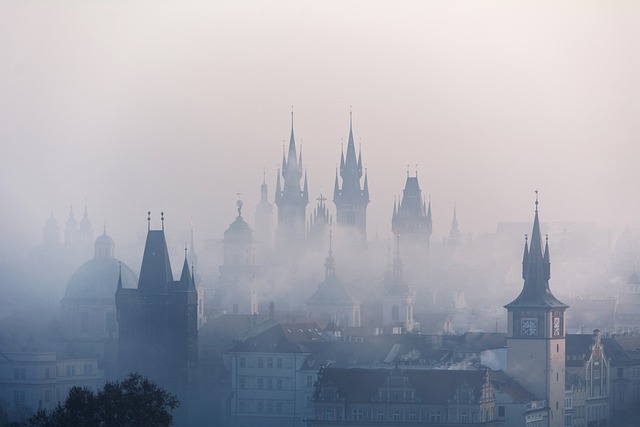
– Introduction: The Linguistic Landscape of Prague
Prague, the capital of the Czech Republic, is a vibrant and culturally rich city that attracts visitors from all around the world. As you explore its fascinating linguistic landscape, you’ll discover a delightful mix of languages that reflect its diverse history and cosmopolitan nature. While Czech is the official language spoken by the majority of the population, there are several other languages that play significant roles in Prague’s linguistic tapestry.
One of the most prevalent languages you’ll encounter in Prague is English. As a popular tourist destination and a hub for international businesses, English is widely spoken and understood. You’ll find that many signs, menus, and tourist information materials are available in English to cater to the needs of both tourists and expatriates residing in the city. Additionally, you’ll come across a good number of people who are fluent in English, making it easy to communicate and navigate the city.
In addition to Czech and English, you’ll also find that German is quite common in Prague. Due to the historical influence of the Austro-Hungarian Empire and the historical proximity to German-speaking countries, German has maintained its significance in the city. Many older residents and professionals have a solid command of the German language. Moreover, you may notice some street names, shop signs, and historical landmarks that bear both Czech and German names, a reflection of the city’s rich linguistic history.
Other languages that contribute to the linguistic tapestry of Prague include Russian, French, Italian, and Spanish. With the influx of tourists and the growing international community, these languages have found their place in the city’s linguistic melting pot. From multilingual individuals working in the service industry to cultural events and festivals celebrating different languages, Prague truly embraces its diverse linguistic landscape.
Overall, while Czech is the primary language in Prague, the city’s linguistic landscape is a testament to its cosmopolitan character. Whether you’re a local or a visitor, you’ll find comfort in the availability of English and the multicultural atmosphere that celebrates a multitude of languages. Let the linguistic diversity of Prague charm you as you navigate its breathtaking streets and immerse yourself in its rich heritage.
– Czech: The Dominant Language in Prague
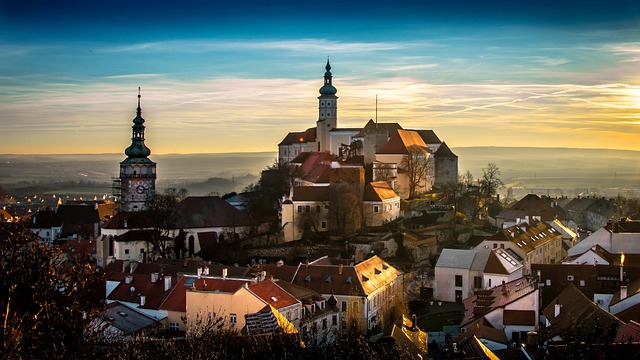
Prague, the magical capital city of the Czech Republic, boasts a rich linguistic heritage. Among the diverse languages spoken in this enchanting city, Czech stands as the dominant language. With its roots traced back to the Slavic language family, Czech is a West Slavic tongue that is spoken by the majority of Prague’s residents. It is fascinating to note that Czech shares mutual intelligibility with Slovak, another Slavic language. This linguistic connection allows speakers of both languages to understand each other effortlessly, creating a harmonious linguistic atmosphere within Prague.
When strolling through the enchanting streets of Prague, it is common to hear locals conversing in their mother tongue. The power of the Czech language extends beyond the spoken word, as it is also the official written language in the country. The Czech alphabet comprises 42 letters, including diacritics that add unique phonetic elements to the language. While mastering the intricacies of the Czech language may require devotion and practice, fear not! English is widely understood in Prague, especially in tourist areas, making it easy to navigate the city and enjoy its extraordinary sights and sounds. So, whether you’re exploring the historical wonders or venturing into the vibrant nightlife of Prague, knowing a few basic Czech phrases will surely enhance your experience in this remarkable city.
– Historical Influences: Understanding the Linguistic Diversity
Prague, the captivating capital of the Czech Republic, has a rich history that has shaped its linguistic diversity. Understanding the historical influences behind the primary language spoken in Prague is crucial in appreciating the city’s cultural tapestry. A mix of different linguistic traditions has molded Prague into the vibrant linguistic hub it is today.
1. Latin: As the language of the Roman Empire, Latin played a significant role in Prague’s linguistic development. Historically, Latin was the language of scholars, clergy, and the educated elite in Prague. It served as the language of communication in academia, religion, and governance, leaving an indelible mark on the city’s linguistic landscape.
2. Czech: Unsurprisingly, the primary language spoken in Prague is Czech, the official language of the Czech Republic. Czech is a West Slavic language that originated from the medieval language spoken in the region. Over time, it developed into a distinct language with a unique grammar and vocabulary. Today, Prague boasts a thriving Czech-speaking population, and it remains the dominant language in various aspects of daily life, from government and education to media and entertainment. Embracing the Czech language is an essential step in immersing oneself in the city’s rich culture and heritage.
Understanding the historical influences contributing to Prague’s linguistic diversity sheds light on the city’s unique identity. While Latin played a pivotal role in the past, Czech has emerged as the primary language spoken by the majority of Praguers. With its distinctive linguistic heritage, Prague continues to captivate visitors from around the world, offering an immersive experience in both its language and cultural traditions. So, whether you’re strolling through the city’s enchanting streets or engaging in insightful conversations with locals, embracing the linguistic diversity of Prague is an enriching journey to embark upon.
– The Impact of Tourism: English as a Lingua Franca
Prague, the historic capital of the Czech Republic, is a breathtaking city known for its stunning architecture, rich history, and vibrant culture. As a popular tourist destination, one might wonder what the primary language is in Prague. While Czech is the official language of the country, English has gained significant prominence and has become a widely spoken lingua franca.
With the increase in tourism over the years, English has emerged as a common language for communication among locals and visitors alike. It has become the language of choice in many hotels, restaurants, shops, and tourist attractions. English signage and menus are prevalent, making it easier for international travelers to navigate the city. Moreover, the younger population in Prague, particularly those involved in the tourism industry, tends to be more proficient in English, ensuring a seamless and enjoyable experience for tourists from all corners of the globe.
- English has become a widely spoken lingua franca in Prague due to the growing tourism industry.
- English signage, menus, and staff can be found in many establishments, making it convenient for international visitors.
- Younger generations in Prague, especially those involved in tourism, are more likely to be fluent in English.
While it is always helpful to have some knowledge of basic Czech phrases when visiting Prague, tourists can take comfort in knowing that English is generally sufficient for communication. The impact of tourism has undoubtedly influenced the linguistic landscape of the city, solidifying English as a lingua franca and ensuring that language barriers don’t hinder the exploration and enjoyment of all that Prague has to offer.
– Language Learning Opportunities in Prague
Prague, the vibrant capital city of the Czech Republic, offers a multitude of language learning opportunities for both residents and visitors. While the primary language spoken in Prague is Czech, the city’s cosmopolitan nature has led to an increase in the availability of other language options. Whether you are interested in learning Czech or improving your proficiency in another language, Prague has something for everyone.
One popular language learning option in Prague is enrolling in a language school or institute. These establishments offer structured courses taught by experienced instructors, allowing you to learn at your own pace and receive personalized attention. Additionally, many language schools in Prague offer intensive language programs, which can be particularly beneficial if you are looking to immerse yourself in the language and make rapid progress. Some of the languages commonly taught in Prague besides Czech include English, German, French, Spanish, and Russian.
Besides traditional language schools, Prague also boasts a rich network of language exchange events and conversation groups. These gatherings provide a relaxed and informal setting where language enthusiasts can gather to practice their language skills. Language exchange events often involve participants from various language backgrounds, allowing for a diverse and dynamic learning experience. Attending these events not only helps you improve your language skills but also gives you an opportunity to meet new people from different cultures, fostering cultural exchange and understanding.
Overall, Prague offers a wide range of language learning opportunities, catering to all preferences and proficiency levels. Whether you prefer a structured classroom setting or a more casual language exchange event, you’ll find numerous options to help you embark on your language learning journey or enhance your existing skills. So, why not take advantage of these exciting opportunities and immerse yourself in Prague’s multicultural linguistic scene?
– Experiencing Prague in the Local Language: Czech Phrases to Learn
Prague, the capital city of the Czech Republic, is a thriving metropolis with a rich cultural heritage. When visiting this stunning city, it’s helpful to know some basic Czech phrases to enhance your experience and connect with the locals. Here are a few essential expressions to get you started:
1. Greetings:
– “Dobrý den” (Good day) – a common greeting used throughout the day.
– “Dobré ráno” (Good morning) – used until around 10 AM.
– “Dobré odpoledne” (Good afternoon) – used from around 10 AM until the evening.
– “Dobrý večer” (Good evening) – used from dusk until around midnight.
2. Polite Phrases:
– “Děkuji” (Thank you) – a simple and polite way to show gratitude.
– “Prosím” (Please) – used when making requests or asking for something politely.
– “Promiňte” (Excuse me) – useful for getting someone’s attention or when apologizing.
Immerse yourself in the local language and culture by learning these key phrases!
– Language Resources: Where to Find Language Support in Prague
Prague, the capital city of the Czech Republic, has its primary language as Czech. However, due to its bustling tourism industry and the presence of a large expat community, English has become widely spoken and understood in many places. Whether you are a tourist visiting Prague or a foreigner living here, there are various language resources available that can help you with language support.
1. Language Schools: Prague is home to many language schools that offer courses in Czech as well as other popular languages like English, French, German, and Spanish. These schools provide structured language courses for learners of all levels, from beginners to advanced speakers. Attending a language school can significantly enhance your language skills and help you communicate effectively with locals.
2. Language Exchange Meetups: Another great way to practice your language skills in Prague is by joining language exchange meetups. These gatherings bring together people from different language backgrounds who are eager to learn and practice languages in a casual and friendly environment. By participating in language exchange events, you can meet native speakers, make new friends, and improve your language proficiency through meaningful conversations and cultural exchanges.
Remember, while English is widely spoken in Prague, it is always beneficial to learn some basic Czech phrases and expressions. Locals appreciate the effort, and it can enhance your overall experience in the city. So whether you opt for language schools, language exchange meetups, or a combination of both, Prague offers plenty of resources to support you in your language journey.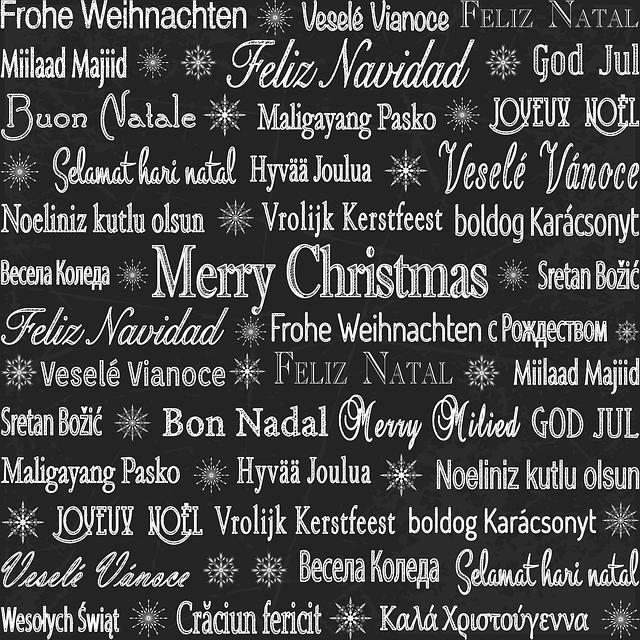
– Embracing Multilingualism: Other Languages Spoken in Prague
Prague may be renowned for its stunning architecture and rich history, but it is also a melting pot of diverse languages. While Czech is the official language of the Czech Republic and commonly spoken by the locals, you might be surprised to discover the vibrant multilingualism that thrives within Prague’s borders.
One of the prominent languages spoken in Prague is English, especially in tourist areas and among younger generations. English proficiency has risen dramatically in recent years, thanks in part to the city’s growing international community. It is not uncommon to find English-speaking locals and businesses catering to English-speaking tourists. Additionally, many Czechs have embraced the opportunity to learn English as a second language, making it relatively easy for international visitors to communicate and navigate the city.
Another language you may hear in Prague is Russian. Due to historical ties with Russia, the Russian language has a significant presence in the city. While not as widely spoken as Czech or English, Russian can still be heard in certain neighborhoods and establishments. Should you encounter Russian-speaking individuals, it might be a delightful opportunity to engage in a linguistic exchange and delve into the nuances of their culture.
– Preserving Czech Identity: Language Policies and Initiatives
Prague, the enchanting capital of the Czech Republic, is a city steeped in centuries of rich history and vibrant culture. As one of the most popular tourist destinations in Europe, visitors often wonder about the primary language spoken in this captivating city. The answer? Czech, a West Slavic language, serves as the official language of Prague and the entire country.
To preserve and celebrate Czech identity, the Czech government has implemented various language policies and initiatives. These efforts aim to protect the country’s linguistic heritage and ensure the continued use and importance of the Czech language. Here are some key language policies and initiatives that contribute to preserving Czech identity:
1. Language Education: The Czech education system prioritizes the teaching and learning of the Czech language. From an early age, children receive comprehensive language education that includes grammar, vocabulary, and cultural aspects. This emphasis on language skills fosters a strong sense of Czech identity and promotes linguistic unity among the population.
2. Official Language Status: Czech enjoys the status of an official language in Prague, ensuring its use in all government institutions, public services, and official documentation. This commitment to using Czech as the primary means of communication at the administrative level bolsters the language’s importance and contributes to the preservation of Czech identity.
3. Language Preservation Organizations: Several organizations in Prague work tirelessly to safeguard and promote the Czech language. These organizations initiate cultural events, language competitions, and educational programs that elevate the significance of Czech in both public and private spheres. Their valuable work helps Czech citizens feel proud of their linguistic heritage and encourages the continued use of their mother tongue.
4. Bilingual Signage: In order to maintain the integrity of the Czech language, the city of Prague predominantly uses Czech on street signs, public transportation, and official signage. While some signs may feature translations or additional languages for the convenience of tourists, the primary focus remains on preserving the city’s linguistic identity through the prominent use of Czech.
These language policies and initiatives contribute to the resilience and preservation of Czech identity in Prague. They ensure that the language remains a vital part of everyday life, maintaining a strong sense of cultural heritage and fostering unity among its residents. So, as you wander the dazzling streets of Prague, marvel at the beauty of the Czech language and its enduring role in shaping the city’s unique identity.
– Conclusion: The Beautiful Tapestry of Languages in Prague
Located in the heart of Europe, Prague is a city known for its rich history, stunning architecture, and vibrant culture. As you walk through its charming streets, you’ll be surrounded by a beautiful tapestry of languages. While Czech is the primary language spoken in Prague, this city is a linguistic melting pot, reflecting its diverse population and historical influences. Here are some fascinating language facts that paint a vivid picture of Prague’s linguistic landscape:
1. Czech: As the official language of the Czech Republic, Czech is the most commonly spoken language in Prague. Known for its unique phonetics and complex grammar, Czech is Slavic in origin and closely related to Slovak and Polish. While it may seem challenging to non-native speakers, don’t be discouraged! Locals appreciate and welcome efforts to speak their language, even if it’s just a few basic phrases.
2. English: With the rise of globalization and tourism, English has become widely spoken in Prague, especially in popular tourist areas, hotels, and restaurants. Many locals, especially the younger generation, are fluent in English, making it easier for visitors to navigate the city without language barriers. From ordering a delicious meal to getting directions to Prague Castle, English is a useful language to have in your linguistic toolkit while exploring this remarkable city.
To Wrap It Up
In conclusion, Prague, the enchanting capital of Czech Republic, has its own unique linguistic landscape. While the official language of the country is Czech, English is widely spoken in Prague, particularly in tourist areas and among younger generations. The city boasts a multicultural environment, where you can expect to hear a variety of languages being spoken by its diverse inhabitants.
It is important to note that despite English being prevalent, embracing a few basic Czech phrases such as greetings and pleasantries can enhance your experience and show respect for the local culture. Czech is a fascinating language with similarities to other Slavic languages, making it a rewarding language to learn if you plan on spending a significant amount of time in Prague.
Whether you are an international visitor or planning to reside in this vibrant city, the language should not pose a significant barrier to communication, thanks to the widespread usage of English. However, by making an effort to appreciate and embrace the local language, you can truly immerse yourself in the rich cultural tapestry that Prague has to offer. So, pack your bags, and get ready to embark on an unforgettable linguistic journey in the heart of Europe.