Population of Prague: City Demographics Revealed
With its stunning architecture, rich history, and vibrant culture, Prague has long been a popular destination for travelers worldwide. But have you ever wondered about the people who call this enchanting city home? In this article, we delve into the population of Prague, revealing fascinating insights into the city’s demographics. From the age and gender distribution to economic disparities and ethnic diversity, we’ll uncover a comprehensive snapshot of the residents who bring life to Prague’s bustling streets. Join us as we navigate the multifaceted tapestry that makes up the diverse and thriving population of this captivating European capital.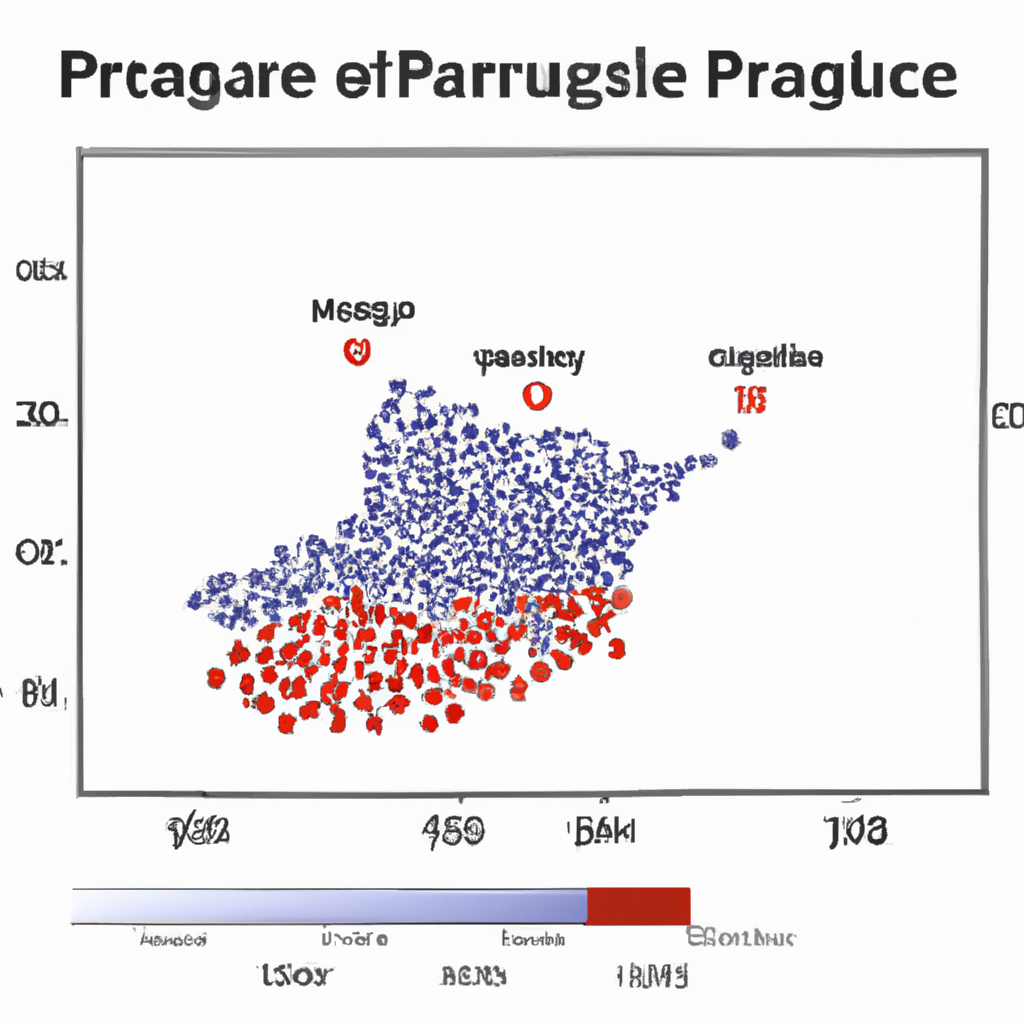
1. The Historical Context: Tracing the Evolution of Prague’s Population
The population of Prague has a fascinating and diverse history that has shaped the city into what it is today. Tracing the evolution of Prague’s population provides invaluable insights into the city’s cultural, social, and economic development throughout the centuries.
1. Migration Waves: Over the centuries, various migration waves have greatly influenced the population of Prague. From the earliest Slavic settlements to the influx of German immigrants during the medieval period, the city has always been a melting pot of different cultures and languages. These migrations have not only contributed to the city’s cultural diversity but have also influenced its architecture, cuisine, and traditions.
2. Urbanization and Industrialization: The 19th and early 20th centuries marked a significant shift in Prague’s population dynamics. The rapid industrialization and urbanization of the city attracted people from rural areas seeking employment opportunities. This influx of individuals led to the expansion of neighborhoods, the rise of tenements, and the creation of industrial districts. The urban landscape of Prague transformed, with new infrastructure and public services being developed to accommodate the growing population.
3. Political Shifts: Prague’s population has also been shaped by political shifts and historical events. From being the capital of the Kingdom of Bohemia to the tumultuous times of Nazi occupation and communism, these events led to significant changes in the demographics of the city. Some communities flourished, while others faced displacement or persecution. The post-communist era witnessed the return of displaced populations and the emergence of a new wave of immigrants, contributing to the ever-evolving makeup of Prague’s population.
Understanding the historical context and evolution of Prague’s population enables us to appreciate the city’s rich heritage and vibrant present-day demographics. It is through this lens that we can better comprehend the city’s unique charm, cultural fusion, and its position as a global hub of art, history, and innovation.

2. Taking a Closer Look: Key Demographic Trends in the City’s Population
One of the most fascinating aspects of Prague is its diverse and ever-evolving population. A closer examination of the city’s demographics reveals some interesting trends that shed light on its social and cultural dynamics. Let’s delve into the key demographic factors shaping the population of Prague:
- Rapid Urbanization: Prague has experienced a significant influx of people from rural areas, resulting in rapid urbanization. As job opportunities and modern amenities attract more individuals to the city, the urban landscape continues to transform, with new neighborhoods and infrastructure being developed at a remarkable pace.
- Aging Population: Like many cities around the world, Prague is also witnessing the effects of an aging population. As advances in healthcare and quality of life contribute to longer lifespans, the proportion of elderly residents is steadily increasing. This demographic shift presents both challenges and opportunities for the city, as it strives to adapt to the needs of its aging citizens.
- Cultural Diversity: Prague’s attractiveness as a cosmopolitan destination has also led to an influx of international residents from various corners of the globe. The city boasts a vibrant expatriate community, adding to its cultural richness. This diversity has not only enriched the culinary and artistic scenes but also fostered a global mindset among locals.
These demographic trends give us a glimpse into the ever-changing face of Prague’s population. As the city continues to evolve, it strives to strike a balance between preserving its rich cultural heritage and embracing the changes brought about by urbanization and an increasingly diverse community.

3. A Melting Pot of Nationalities: Exploring Prague’s Diverse Cultural Makeup
Prague, the capital city of the Czech Republic, is a fascinating destination that boasts a rich cultural tapestry. Once you step foot in Prague, you’ll be immersed in its melting pot of nationalities. The city’s diverse cultural makeup is a result of its turbulent history, attracting people from all corners of the globe.
Here are some interesting facts about Prague’s multicultural population:
1. Immigrants from neighboring countries: Prague is a popular choice for immigrants from nearby European countries, such as Slovakia, Germany, and Poland. This proximity fosters a sense of familiarity and an easy integration into the local society.
2. Expats from all over the world: Prague’s beauty, affordable cost of living, and thriving job market have also attracted a significant number of expatriates from around the world. Americans, Britons, French, and Russians, among others, have made Prague their home, bringing with them their own traditions, languages, and cuisines.
3. Student population: The city’s esteemed universities and colleges draw in a large number of international students, further adding to its multicultural character. They come from diverse countries like China, India, Brazil, and more, enriching the academic and social scene with their unique perspectives and experiences.
This mix of nationalities strongly influences Prague’s cultural scene and contributes to its vibrant atmosphere. From international cuisine options to multicultural festivals and events, residents and visitors alike can immerse themselves in an experience that truly reflects the diversity of the world we live in. So be prepared to celebrate and explore the cultural riches that Prague has to offer!
4. Age Matters: Delving into the Age Distribution of Prague’s Inhabitants
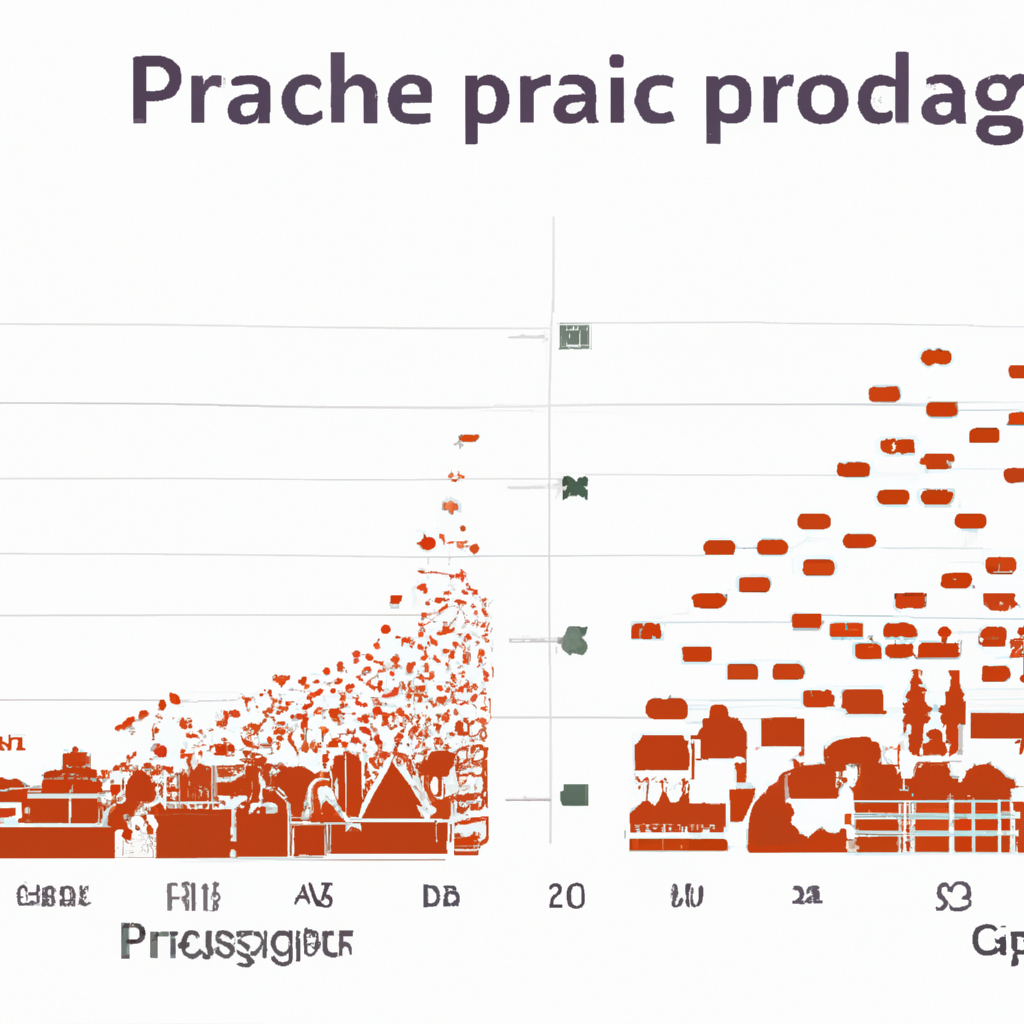
When it comes to understanding the demographics of a city, age is a crucial factor. Prague, the capital city of the Czech Republic, is no exception. Analyzing the age distribution of Prague’s inhabitants provides valuable insights into the city’s population dynamics.
Elderly Population: The elderly population, aged 65 and above, constitutes a significant portion of Prague’s residents. This age group represents a diverse range of individuals who have witnessed the city’s evolution over the years. They contribute to the cultural richness of Prague, with their wisdom and experiences.
Working-Age Group: The working-age group, ranging from 18 to 64 years, forms the backbone of Prague’s workforce. These individuals are actively engaged in various sectors, such as finance, technology, arts, and many more. Their contributions drive the city’s economy and ensure its continued growth.
Youthful Energy: Prague also houses a vibrant younger population, aged 0 to 17 years. These young residents represent the future of the city. Their education, development, and well-being are key priorities for Prague’s authorities. The city offers an array of educational institutions, recreational facilities, and a nurturing environment to support their growth.
5. The Urban-Rural Disparity: Unveiling the Residential Patterns in Prague
The population of Prague, the capital city of the Czech Republic, is highly diverse, with a captivating mix of urban and rural areas. This article aims to uncover the fascinating residential patterns within Prague, shedding light on the stark urban-rural disparity that exists within its bustling streets.
1. Urban Hotspots: Prague boasts vibrant urban neighborhoods that are brimming with life. Areas like Staré Město (Old Town) and Vinohrady are renowned for their historic charm, bustling cafes, and picturesque streets. These districts offer a bustling city lifestyle, attracting young professionals and tourists seeking an exciting urban experience.
2. Charming Suburbs: In contrast to the urban hotspots, Prague is also home to charming residential suburbs that provide a tranquil and family-friendly atmosphere. Districts like Dejvice and Břevnov offer leafy streets, spacious houses, and excellent schools. These areas appeal to families and individuals craving a more relaxed and peaceful pace of life.
3. Rural Retreats: Just a short distance from the city center, Prague surprisingly offers rural retreats that transport residents to a world away from the bustling metropolis. Areas like Troja and Posázaví are nestled amidst picturesque countryside, offering a serene ambiance and opportunities for outdoor activities. These rural getaways provide an escape from the city’s hustle and bustle while still maintaining convenient access to urban amenities.
Whether one chooses the vibrant heart of the city, the peaceful suburbs, or the picturesque countryside, Prague’s population is lucky to have a wide range of residential patterns and experiences to suit their preferences. This urban-rural disparity adds to the city’s unique charm and makes Prague an enticing destination for residents and visitors alike.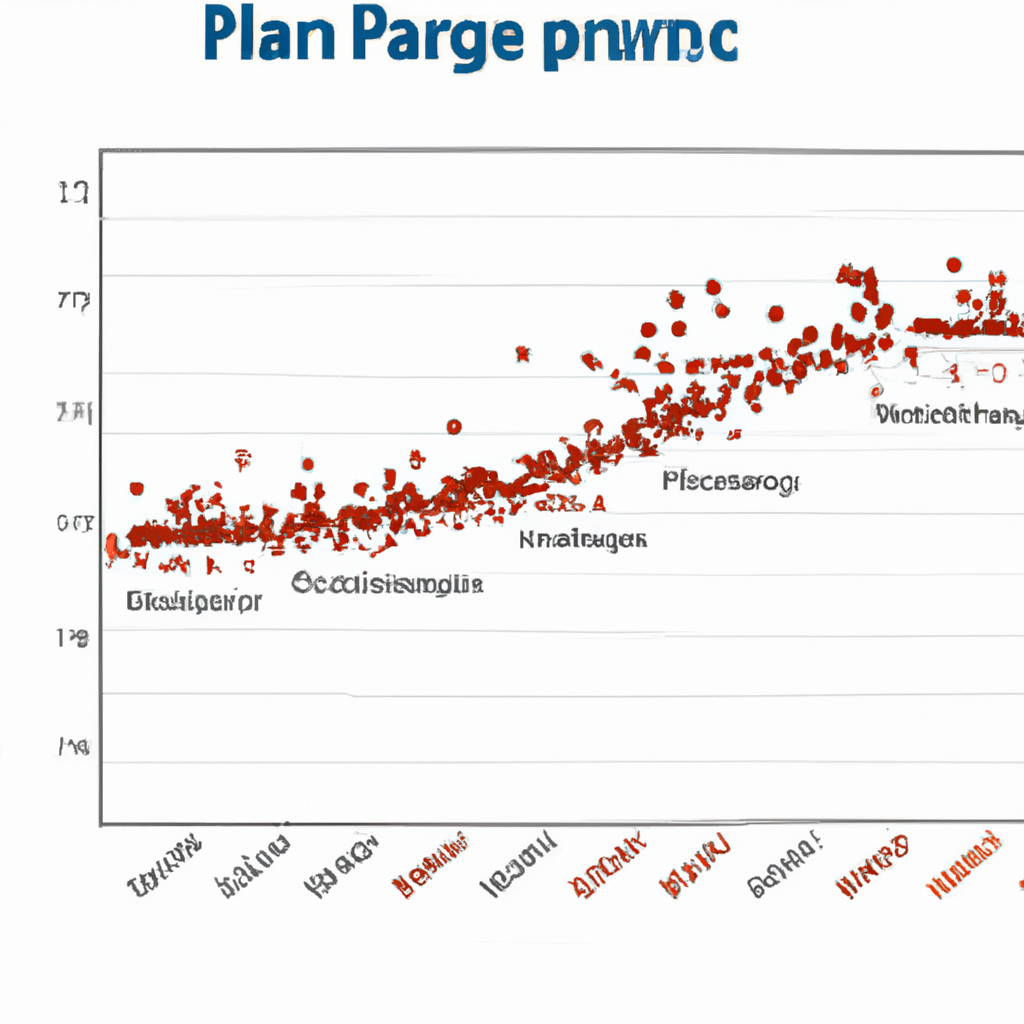
6. Migration Patterns: Understanding the Inflow and Outflow of People in Prague
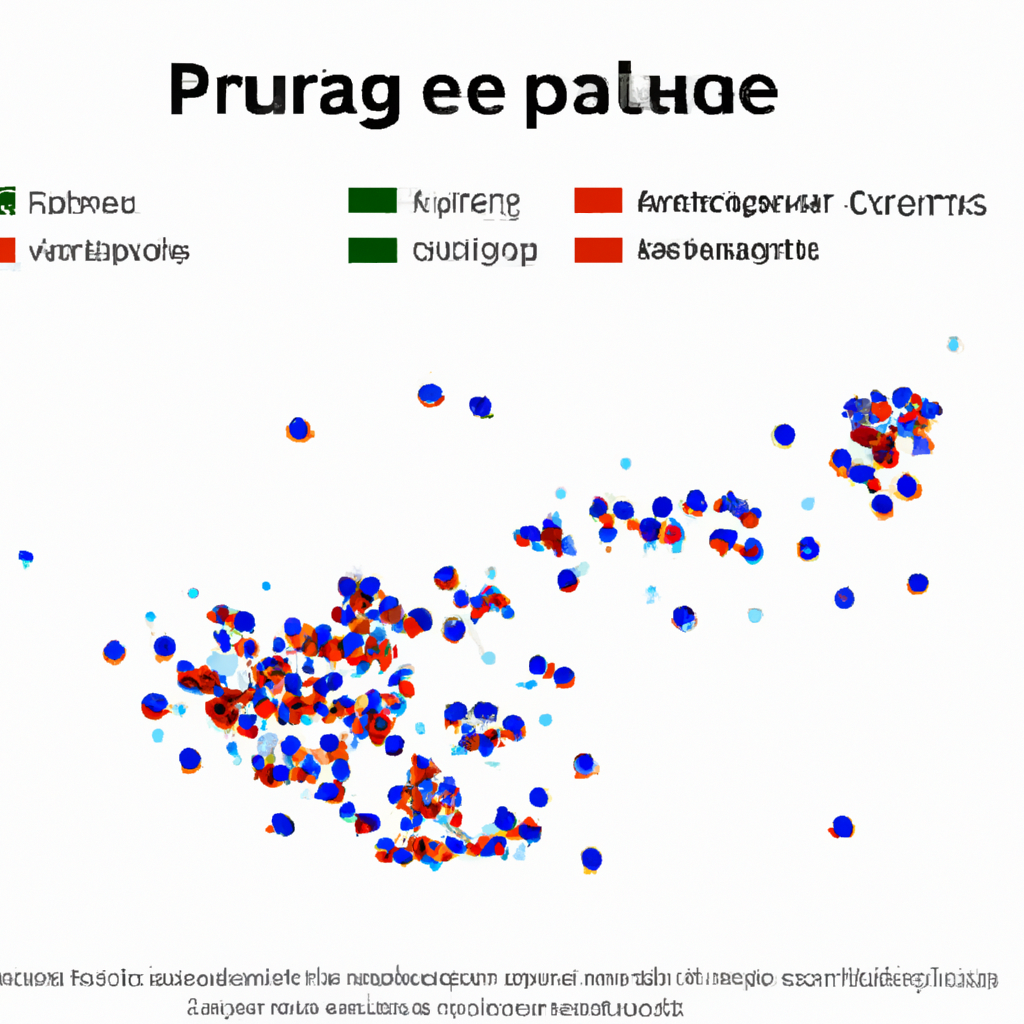
One fascinating aspect of Prague’s population is the constant ebb and flow of people through the city. Understanding migration patterns is crucial for gaining insights into the ever-changing demographics of this vibrant metropolis. Let’s dive into the details and unravel the intriguing dynamics of the inflow and outflow of people in Prague.
Inflows:
- Job Opportunities: Prague’s strong economy and thriving industries make it an attractive destination for individuals seeking employment. The city’s numerous job prospects, especially in sectors like finance, technology, and tourism, draw significant inflows of talented professionals.
- Education Hub: Prague is known as a hub for education, hosting prestigious universities and educational institutions. Students from all over the world flock to the city for its high-quality programs and enriching academic experiences, contributing to the inflow of young minds.
- Cultural Attraction: The rich history, architectural marvels, and vibrant cultural scene of Prague have long captivated visitors from near and far. Tourism plays a significant role in the inflow of people, as tourists often fall in love with the city and decide to stay longer or relocate permanently.
Outflows:
- Expatriates: Prague’s international allure also results in outflows of people, particularly expatriates whose work assignments or personal circumstances drive them to leave the city. The expat community contributes to the diversity of Prague but also experiences a natural flow as individuals complete their assignments or move on to new adventures.
- Seeking Better Opportunities: Like any cosmopolitan city, Prague witnesses outflows of residents looking for better career prospects or personal growth elsewhere. Some individuals choose to pursue educational opportunities abroad, while others seek new challenges in different cities or countries.
- Retirement or Family Reasons: A portion of Prague’s population moves out due to reasons such as retirement or the desire to be closer to family members living in other regions. These outflows are influenced by personal circumstances and the changing needs of individuals and families.
By comprehending the migration patterns, we gain valuable insights into Prague’s evolving population. The inflow and outflow of people shape the city’s demographics, contributing to its vibrancy, diversity, and continuous transformation.
7. Unveiling Socioeconomic Disparities: Assessing the Income and Education Levels in Prague
Population of Prague: City Demographics Revealed
Expanding on our exploration of the beautiful city of Prague, let’s delve into the socioeconomic disparities that shape the lives of its residents. By assessing the income and education levels in Prague, we gain a deeper understanding of the various facets that contribute to the city’s diverse population.
Income Levels:
- Prague boasts a varied income range, with some neighborhoods being home to affluent individuals and others inhabited by those facing financial challenges.
- The highest earners predominantly reside in central Prague, where luxury apartments and upscale residences are prevalent.
- In contrast, the outskirts and suburbs of the city exhibit lower-income households, with a higher concentration of renters.
Education Levels:
- Prague places great emphasis on education, with a comprehensive schooling system.
- A key driver of its strong educational infrastructure lies in the presence of prestigious universities and research institutions, attracting both local and international students.
- The city has a high literacy rate, and the quality of education is reflected in the success and competence of its citizens across various fields.
8. Neighborhood Matters: Identifying the Preferred Areas of Residence in Prague
Prague, the capital city of the Czech Republic, is a vibrant and diverse metropolis that appeals to people from all walks of life. When it comes to choosing the perfect neighborhood to call home in this enchanting city, several factors come into play. Understanding the population demographics of Prague can greatly assist in pinpointing the preferred areas of residence.
One key aspect to consider is the age distribution within the city. The younger population tends to gravitate towards areas like Vinohrady and Holešovice, renowned for their lively nightlife, trendy cafes, and artistic atmosphere. Families with children, on the other hand, often seek out peaceful and family-friendly neighborhoods such as Dejvice and Břevnov, characterized by green spaces, quality schools, and a more relaxed pace of life.
Another crucial consideration is accessibility and convenience. Districts such as Prague 1, the heart of the city, offer not only historic charm but also easy access to major landmarks, cultural venues, and employment opportunities. Meanwhile, areas like Žižkov boast excellent transportation links, making it a preferred choice for commuters.
- Diverse Architectural Styles: Prague’s neighborhoods showcase a myriad of architectural styles, from stunning Gothic and Baroque buildings in Malá Strana to Cubist and Art Nouveau facades in Vršovice. Each district has its own unique charm, ensuring there is something to suit every taste and preference.
- Ample Amenities: Prague’s preferred areas of residence offer a wealth of amenities to cater to residents’ needs. From local markets and shopping centers to parks, sports facilities, and healthcare services, no matter which neighborhood you choose, you will find convenience at your doorstep.
- Cultural Hotspots: Prague is widely regarded as a cultural hub, and certain neighborhoods stand out for their artistic scene and lively cultural events. Letná, known for its vibrant music festivals and art exhibitions, and Karlín, with its trendy galleries and theaters, are just a couple of examples where creativity thrives.

9. Nurturing Community Cohesion: Recommendations for Promoting Integration in Prague
In order to promote integration and nurture community cohesion in Prague, it is crucial to understand the demographics and population of the city. By studying these factors, we can develop effective recommendations that cater to the unique needs and characteristics of Prague’s residents.
Diverse Population: Prague is a vibrant and diverse city, attracting individuals from various backgrounds and cultures. According to recent statistics, the population of Prague stands at around 1.3 million. Among this population, there is a significant expat community, contributing to the city’s multicultural atmosphere.
Multicultural Neighborhoods: Prague consists of numerous neighborhoods, each with its own distinct character and cultural heritage. From the historical charm of Prague Castle District to the hip and artistic vibe of Vinohrady, these neighborhoods offer a rich tapestry of experiences and traditions. Promoting integration in Prague requires identifying and understanding these multicultural spaces, fostering interactions within and between communities.
Enhancing Social Cohesion: Encouraging community integration involves fostering social cohesion among different groups. This can be achieved through initiatives such as cultural exchange programs, language classes, and community events. Engaging residents in activities that promote understanding and appreciation of diverse cultures can help bridge gaps and strengthen bonds within the community.
10. Planning for the Future: Addressing the Challenges and Opportunities of Prague’s Growing Population
Population of Prague: City Demographics Revealed
As Prague’s population continues to grow at a rapid pace, it becomes crucial to address the challenges and opportunities that come along with it. Understanding the demographics of the city is essential for effective planning and creating a sustainable future for Prague.
Here are some key insights into the population of Prague:
- Diverse Age Groups: Prague is home to a diverse population when it comes to age groups. While the younger generation is attracted to the city’s vibrant culture and opportunities, there is also a significant number of elderly residents. This diversity calls for tailored strategies to cater to the needs and aspirations of different age groups.
- Rise in Immigration: Prague has seen a significant increase in immigration over the past decade. People from various parts of the world are choosing Prague as their new home due to its thriving economy, quality of life, and excellent educational institutions. Addressing the challenges and opportunities associated with this influx of residents is crucial for the city’s development.
- Infrastructure and Housing: With a growing population, it is imperative to ensure that infrastructure and housing developments keep up with the rising demand. Responsible and sustainable urban planning, along with the construction of affordable housing, will play a vital role in ensuring that residents have access to quality amenities and comfortable living spaces.
By addressing these challenges and opportunities, Prague can continue to flourish as a city, providing its residents with a high standard of living and a promising future ahead.
Insights and Conclusions
In conclusion, this analysis has shed light on the intriguing demographics of Prague, unveiling crucial aspects of its population. Prague, the capital city of Czech Republic, boasts a population of approximately 1.3 million residents. The city’s population is predominantly Czech, with ethnic minorities accounting for a smaller fraction of the total. Furthermore, we discovered that Prague’s population is characterized by a relatively high median age, indicating a predominantly mature population. The city’s robust economy and high standard of living have attracted many expatriates, contributing to its cultural diversity.
Key takeaways from this article include the understanding that Prague’s population is largely homogeneous in terms of ethnicity, with Czech nationals forming the majority. Moreover, the city’s aging population may have implications for future social and economic developments. Lastly, Prague’s cosmopolitan nature, resulting from its growing expatriate community, adds a vibrant and multicultural element to the city’s identity.
By delving into the city’s demographics, we are granted essential insights that enable us to comprehend the intricate fabric of this captivating metropolis. So, next time you find yourself strolling through the cobbled streets of Prague, rest assured that an array of diverse backgrounds and experiences enrich the city’s vibrant atmosphere.