

Is Czech Republic Now Czechia? Name Change Explained
Welcome to the fascinating realm of toponymic transformations, where geographical names undergo unprecedented makeovers! Today, we set our gaze on the Czech Republic, a captivating nation nestled in the heart of Europe. Have you heard? The land of castles, beer, and rich history has decided to reinvent itself with a brand-new moniker: Czechia. But why the sudden change? Strap in as we embark on a journey to uncover the reasons, historical context, and implications of this switch. From the rationale behind the decision to the impact it has on everyday life, we’ll explore all you need to know about the Czech Republic’s transformation into Czechia.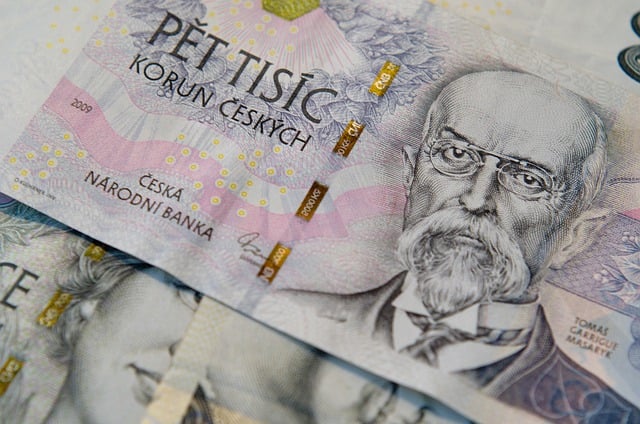
– Understanding the recent name change from Czech Republic to Czechia: An in-depth analysis
In recent years, you may have noticed a shift in how people refer to the country in the heart of Europe. The Czech Republic, with its rich history and fascinating culture, has adopted a new name: Czechia. This change has sparked curiosity and debate around the world, leaving many wondering why such a modification was made.
One of the main reasons behind the name change is simplicity. The Czech Republic found that its original name was often lengthy and difficult to pronounce for non-Czech speakers. By adopting the shorter and more accessible name of Czechia, the country aimed to make it easier for people from different backgrounds and languages to identify and remember its name. This change allows for better international recognition, making it simpler for businesses, organizations, and tourists traveling to the country.
To fully understand the implications of this name change, it is crucial to delve into the historical and cultural significance of both names. The Czech Republic, also known as Czechia, has a rich heritage that stretches back centuries. This landlocked country, nestled in the heart of Europe, boasts breathtaking landscapes, vibrant cities, and a proud cultural legacy. Whether you prefer to call it Czech Republic or Czechia, exploring this magnificent country will surely leave you in awe of its beauty and charm.
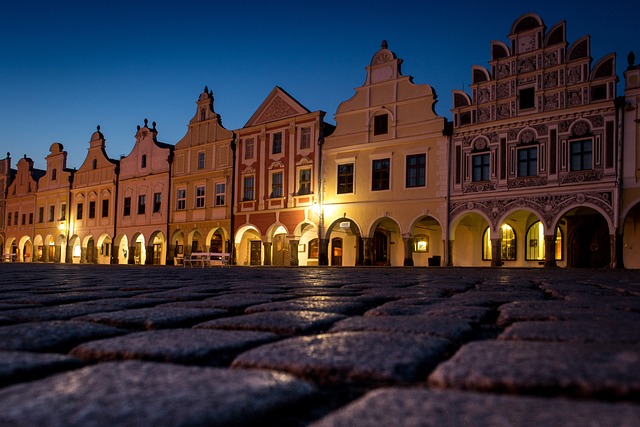
– Exploring the historical context behind Czechia’s decision to change its name
Czech Republic, often referred to as Czechia, officially changed its name in 2016, but the historical context behind this decision dates back much further. The idea to adopt the shorter and more colloquial name “Czechia” was first proposed in the early 1990s after the country gained independence from Czechoslovakia. The transition to a new name had been a topic of discussion among politicians, scholars, and Czech citizens for decades, driven by various reasons outlined below.
1. Geographic simplicity: One of the main motivations behind the name change was to create a more straightforward geographical reference that aligns with similar names of other countries. Czech Republic, as the earlier official name, was often considered to be long and confusing for non-native speakers. By adopting “Czechia,” the aim was to provide a more user-friendly and readily identifiable name in international conversations.
2. Historical precedence: The name “Czechia” holds deep historical roots, dating back to the Latin term “Bohemia” used to describe the region for centuries. This name change was seen as a way to connect with the nation’s rich heritage and evoke a sense of pride among Czech people. Further, it emphasized the distinction between the Czech Republic and Slovakia, the other half of the former Czechoslovakia.
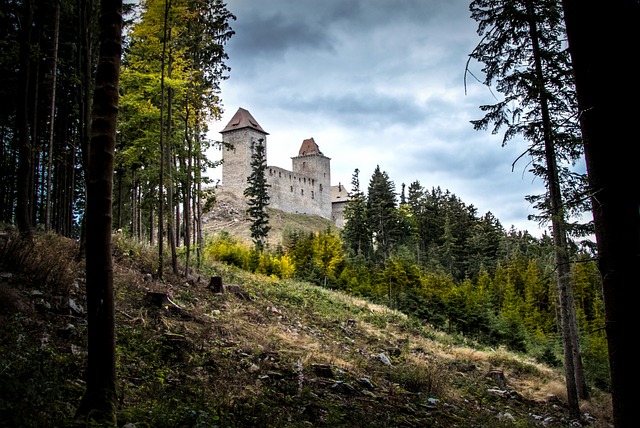
– Factors that contributed to the adoption of the new name “Czechia”
The adoption of the new name “Czechia” for the Czech Republic has been a topic of discussion and curiosity among many individuals. There are several factors that have played a significant role in the decision for this name change. The first and foremost reason is the desire for a simpler and more concise name that is easier to pronounce and remember for people around the world. “Czechia” provides a compact and straightforward name that can be used in a variety of contexts, such as sports events, international conferences, and tourism campaigns.
Another factor that contributed to the adoption of the new name is the need to establish a unique identity for the Czech Republic. While “Czech Republic” accurately represents the country’s political structure, it can sometimes be confused with other similar-sounding countries in Central Europe. By adopting the name “Czechia,” the country is able to differentiate itself and create a distinct brand image. This rebranding effort is crucial, especially in the tourism industry, as it helps to promote the Czech Republic as an attractive and easily recognizable destination.
Overall, the decision to adopt the name “Czechia” is driven by the desire for simplicity, clarity, and distinctiveness. It allows the country to have a recognizable identity on the global stage and promotes easier communication among people from different cultures. The adoption of this new name is a testament to the Czech Republic’s commitment to embracing change and adapting to the evolving needs of the international community.
– Debunking misconceptions and addressing concerns about the Czechia name change
The Czech Republic’s decision to adopt the name “Czechia” as a shorter, more informal version does not signify a complete name change. It is simply an alternative name that can be used interchangeably with the full name. The aim behind this move was to provide a simpler and more distinct name for the country, similar to how “France” is used instead of “The French Republic” in everyday language.
It’s important to address a few misconceptions and concerns surrounding this name change:
- Cultural identity: Adopting “Czechia” does not signify a loss of cultural identity; it is a practical solution to make the country’s name more user-friendly globally.
- International recognition: The name “Czechia” has been recognized by the United Nations, European Union, and other international bodies. It’s worth noting that the full name “Czech Republic” will still be officially used in documents and treaties.
- Historical context: The name “Czechia” has historical roots and dates back to the early 19th century. While it may be less familiar to some, it has been a commonly used term within the Czech language and among neighboring countries.
- Pronunciation: Concerns about pronunciation are understandable, but “Czechia” is straightforward: it is pronounced as “CHEH-kee-ah.”
Overall, the adoption of “Czechia” provides a practical and contemporary alternative to the longer name “Czech Republic.” It simplifies communication, especially in international contexts, and aligns with commonly used naming conventions for other countries. So, whether you refer to this beautiful country as Czechia or the Czech Republic, know that both names are correct and represent the same vibrant culture and history.
– The impact of the name change on tourism and international perception of Czechia
Since April 2016, the Czech Republic has introduced a new name for itself: Czechia. This decision was made with the intention of providing a shorter, simpler, and more internationally recognizable name for the country. But what exactly does this name change mean for tourism and how does it impact the international perception of Czechia?
1. Boosting tourism: The adoption of the name Czechia has the potential to significantly boost tourism in the country. The new name is easier to remember and pronounce for tourists, making it more accessible and recognizable on a global scale. This simplified name allows for a clearer and more straightforward marketing of the country as a tourist destination, as well as easier branding initiatives. With Czechia’s rich cultural heritage, stunning landscapes, and vibrant cities such as Prague and Český Krumlov, tourists are more likely to be drawn to explore what the country has to offer.
2. Enhancing international perception: The name change, while relatively recent, has already begun to shape the international perception of Czechia. By adopting Czechia as the official English short name, the country has positioned itself more assertively in the global arena. This shift helps to create a stronger national identity, distinct from neighboring countries. Moreover, the simplified name reduces confusion and distinguishes Czechia from Slovakia, which was formerly part of Czechoslovakia. Overall, this rebranding allows Czechia to project a clear and confident image to the rest of the world, positively impacting its perception and potentially attracting more global investments.

– Navigating the transition from Czech Republic to Czechia: Practical recommendations for travelers and businesses
The Czech Republic, a nation located in the heart of Europe, has recently undergone a change in its official name to Czechia. This transition aims to simplify the country’s name for both locals and foreigners alike. While the name “Czech Republic” will still be recognized and accepted, the use of “Czechia” is becoming increasingly commonplace, especially for travel and business purposes.
For travelers planning a visit to this picturesque country, it is essential to familiarize themselves with the new name for a smooth and enjoyable experience. Here are some practical recommendations:
- Update your travel documents: Before embarking on your journey, ensure that your passports, visas, and any other travel-related documents reflect the updated name “Czechia.” This will prevent any potential confusion or issues at border crossings or during check-ins.
- Communicate and promote the change: If you are a business owner operating in or advertising services related to the Czech Republic, it is advisable to update your marketing materials and online presence to include “Czechia.” This will align your business with the current naming conventions and avoid any perception of outdated information.
- Learn some basic Czech phrases: While English is widely spoken in popular tourist areas, making an effort to learn a few Czech phrases can go a long way in establishing a connection with the locals and immersing yourself in the culture. Simple greetings, thank-you, and please are always appreciated.
- Explore beyond Prague: While Prague is undoubtedly a stunning city, don’t limit yourself to just its charms. Czechia boasts breathtaking landscapes, historic towns, and cultural treasures outside the capital. Consider venturing to places like Český Krumlov, Karlovy Vary, or the enchanting Bohemian Switzerland National Park.
– Pros and cons of the Czechia name change: Evaluating the benefits and drawbacks
Since its official proposal in 2016, the name change of the Czech Republic to Czechia has been a topic of debate among locals and the international community. This post aims to provide an overview of both the advantages and disadvantages of this alteration, allowing readers to gain a comprehensive understanding of the implications involved.
Pros:
- Streamlined Identification: One of the key advantages of adopting the name Czechia is its concise and easily recognizable nature. This shorter name simplifies identification, enhancing its branding potential for tourism, trade, and international relations. It allows for a more immediate connection with the country, making it convenient to use in various contexts.
- Cultural Pride and Distinctiveness: Supporters argue that Czechia better aligns with the country’s history and cultural heritage, connecting to the ancient Bohemian lands and the Czech language. It reinforces a sense of national pride and individuality, emphasizing the unique identity and traditions of its people.
- Standardization: Czechia brings a level of standardization to the country’s name, which was already informally used and recognized by many nations prior to its official adoption. It provides a consistent and easily recognizable term across various languages, avoiding confusion that might arise from the longer-form Czech Republic.
Cons:
- Historical Significance: Critics argue that the name change overlooks the historical context of the country and its role in Europe’s past. Czech Republic, with its connotations to the Velvet Revolution and the fall of the Iron Curtain, reflects a significant period in Czech history, losing its prominence when using the shorter Czechia.
- Uncertain Global Acceptance: Despite continued efforts to establish Czechia as the standard, its global recognition is still a matter of ongoing development. Some countries and international organizations have been slower to adjust, leading to a potential lack of uniformity and confusion regarding the country’s official name.
- Limited Influence in Decision-Making: Another concern is that the decision to change the name was made without a nationwide referendum, resulting in limited public input. Critics argue that such a significant change should have involved broader participation to ensure democratic representation and legitimacy.
– Addressing linguistic and cultural significance in the Czechia name change
When it comes to linguistic and cultural significance, the recent name change from Czech Republic to Czechia holds a lot of weight for the country and its people. The decision to introduce Czechia as an alternative name for the Czech Republic was primarily motivated by the desire to simplify and streamline the country’s name, making it more user-friendly and easily recognizable on a global scale.
Linguistically, the change to Czechia embraces the native Czech language and aligns with the country’s history and rich cultural heritage. With a clear etymological connection to the Czech term “Česko,” Czechia resonates with the local population and ensures a closer representation of how the locals refer to their own country in conversations. Furthermore, from a linguistic perspective, Czechia stands out as a concise and distinctive name that seamlessly fits with the likes of other country names ending in “-ia” such as Georgia and Austria.
- Cultural Significance:
Over the years, the name Czech Republic has often been associated with bureaucracy, formality, and a vague connection to the Czech people’s identity. By adopting the name Czechia, the country aims to enhance its cultural and national identity, allowing it to shine on the global stage while encapsulating the unique spirit, traditions, and historical significance of the Czech nation. Czechia aligns with the trend of many countries embracing shorter, more contemporary names, empowering the nation to reclaim their cultural impact and strengthen their distinct brand within the international community.
– Comparing Czechia’s name change with other countries’ successful rebranding efforts
One cannot help but wonder about the recent name change for the Czech Republic. In 2016, the country officially adopted a shorter and snappier name, Czechia. This decision sparked a wave of discussions, comparisons, and debates. However, Czechia is not the only country that has undergone a rebranding effort to enhance its image. Let’s take a look at some successful examples from around the world:
1. Myanmar (Burma) – Embracing cultural identity
Myanmar, formerly known as Burma, changed its name in 1989 to reflect the diverse ethnic groups and cultures within the country. The objective was to foster inclusivity and promote unity among its citizens. While the name change was initially met with resistance, it has gradually become widely accepted in international circles, helping to showcase Myanmar’s cultural richness and uniqueness.
2. Eswatini (Swaziland) – Celebrating independence and heritage
In 2018, the Kingdom of Swaziland announced its name change to the Kingdom of Eswatini. This decision aimed to shed the colonial associations of the previous name and emphasize the country’s sovereignty and cultural heritage. Eswatini means “land of the Swazis” in the local language, affirming the country’s identity and independence.
– The path ahead: Challenges and opportunities following the Czechia name change
The recent name change of Czech Republic to Czechia has sparked a wave of curiosity and speculation. With the aim to simplify its name and improve global recognition, Czechia has now become the official form of the country’s name. However, this transition comes with its own set of challenges and opportunities.
One of the main challenges that Czechia faces is the process of rebranding. The country will need to update various official documents, websites, and marketing materials to reflect the new name. This extensive rebranding effort will require careful planning and coordination to ensure a smooth transition. Additionally, Czechia will also need to address any potential confusion or resistance from both domestic and international audiences who have grown accustomed to calling the country Czech Republic.
On the other hand, this name change also opens up new opportunities for Czechia. Firstly, it provides a chance to establish a stronger national identity and promote a sense of pride among its citizens. The shorter and more distinctive name will likely aid in tourism marketing efforts, making Czechia a more memorable and easily recognizable destination. Moreover, Czechia’s improved global recognition could attract foreign investment and facilitate international collaborations, leading to economic growth and increased cultural exchange.
In conclusion, while the name change from Czech Republic to Czechia presents its own set of challenges, it also offers a plethora of exciting opportunities. Whether it’s overcoming the obstacles of rebranding or tapping into the advantages of improved global recognition, Czechia is embarking on a new path that holds immense potential for the nation’s future.
To Wrap It Up
In conclusion, the decision to officially change the name of the Czech Republic to Czechia stems from a desire for a shorter and more concise way to refer to the country. While the change was made back in 2016, it seems that the new name has not been universally adopted, both within and outside of the country.
Key takeaways from this article include the fact that Czechia is not a completely new name, but rather an alternative and simplified version of the Czech Republic. It is important to note that the name change was prompted by a request from the Czech government and was officially recognized by international bodies such as the United Nations. However, the adoption of the name is not mandatory, and both terms can still be used interchangeably.
Ultimately, whether you choose to refer to the country as Czech Republic or Czechia, it is essential to understand the reasons behind the name change and respect the preferences of both the Czech people and international entities.


