

Is Czech Republic Eastern or Western Europe? Geographic Position
The geographic position of the Czech Republic has long sparked debates and confusion about its categorization as either Eastern or Western Europe. Situated in the heart of Europe, this Central European nation borders Germany to the west and shares boundaries with Slovakia, Austria, and Poland. While history, culture, and political affiliations all play a role in determining a country’s placement, the Czech Republic manages to straddle the line between the East and the West. In this article, we delve into the intricate details that help us better understand the positioning of this captivating country and shed light on the factors that contribute to this ongoing discussion.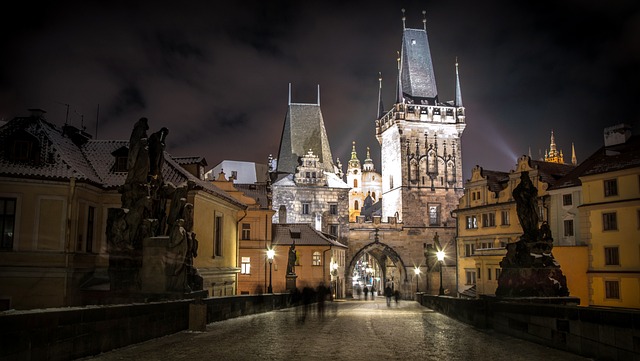
Is Czech Republic Eastern or Western Europe? Geographic Position
The geographic position of the Czech Republic has long been a topic of debate among scholars and travelers alike. Situated in the heart of Europe, this fascinating country boasts a unique blend of both Eastern and Western influences. While it is geographically located in Central Europe, its historical and cultural ties often classify it as part of Eastern Europe.
One of the primary reasons for this classification is the Czech Republic’s historical alignment with Eastern Europe during the Cold War era. As a member of the former Eastern Bloc, it was under the influence of the Soviet Union and embraced a communist regime. However, since the Velvet Revolution in 1989, the Czech Republic has undergone significant political and economic transformations, aligning itself more closely with Western Europe. It has become an integral part of the European Union and NATO, embracing Western democratic values and principles.
Geographically, the Czech Republic shares borders with Poland to the northeast, Germany to the west and northwest, Austria to the south, and Slovakia to the east. This strategic location places it at the crossroads of Eastern and Western Europe, allowing for a rich cultural exchange and a fascinating mix of influences. With its stunning castles, charming towns, and vibrant cities, the Czech Republic continues to captivate visitors from all over the world, offering a unique glimpse into the intertwined histories of Eastern and Western Europe. So, whether you consider it Eastern or Western Europe, one thing is certain – the Czech Republic is a treasure trove of beauty, history, and cultural diversity that truly defies geographic boundaries.
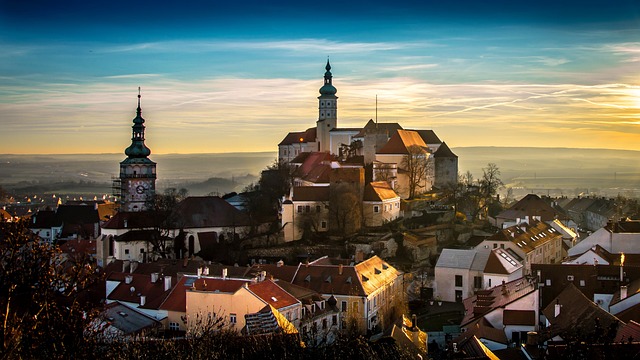
– Introducing the Geographic Position of the Czech Republic
The geographic position of the Czech Republic has long been a topic of discussion, particularly when it comes to whether the country belongs to Eastern or Western Europe. While there is no definitive answer, understanding the factors that influence this classification can shed some light on this intriguing debate.
1. Historical and Cultural Influence:
– The Czech Republic has a rich history deeply rooted in both Eastern and Western Europe. It was part of the Eastern Bloc during the Cold War, aligning it with the Soviet Union and other Eastern European countries. However, the country has also been heavily influenced by Western European cultures and traditions.
– Prague, the capital city of the Czech Republic, boasts stunning architectural beauty reminiscent of Western Europe. The city’s Gothic, Renaissance, and Baroque buildings serve as reminders of its connections to Western European art, history, and architecture.
2. Geographical Factors:
– From a geographical standpoint, the Czech Republic lies in Central Europe. It is surrounded by Germany to the west, Poland to the northeast, Slovakia to the southeast, and Austria to the south. This strategic location exposes the country to both Eastern and Western European influences.
– Additionally, the Czech Republic is a member of the European Union, further blurring the line between Eastern and Western Europe. The country’s integration into the EU has fostered closer economic and political ties with its Western European counterparts.
While the classification of whether the Czech Republic is Eastern or Western Europe may be open to interpretation, it is safe to say that the country’s geographic position has granted it a unique blend of cultural, historical, and geographical elements from both regions. This fusion has undoubtedly contributed to the Czech Republic’s charm and allure as a fascinating destination for travelers and scholars alike.
– Examining the Historical Influences on the Czech Republic’s Classification
The Czech Republic’s classification as either Eastern or Western Europe has been a topic of debate and discussion for many years. To fully understand its geographic position and historical influences, it is crucial to examine the country’s past.
1. Historical influences:
– Austro-Hungarian Empire: From the 16th to the early 20th century, the Czech lands were part of the Austro-Hungarian Empire. This powerful entity had a significant impact on the Czech Republic’s culture, language, and development.
– Velvet Revolution: In 1989, the Czech Republic experienced the peaceful Velvet Revolution, which marked the end of communist rule. This event not only shaped the country’s modern identity but also brought it closer to Western Europe in terms of political and economic systems.
2. Geographic position:
– Central Europe: The Czech Republic is most commonly considered part of Central Europe due to its geographic location. It is surrounded by Germany to the west, Poland to the northeast, Slovakia to the east, and Austria to the south. This central position has allowed for cultural and economic exchange with both Eastern and Western European countries.
– Cultural heritage: The Czech Republic shares historical and cultural ties with countries such as Germany and Austria, which are traditionally classified as Western European nations. The influence of the Western European style of architecture, music, and literature is evident in the Czech Republic, further blurring the line between East and West.
Overall, the classification of the Czech Republic as Eastern or Western Europe is influenced by both its historical past and its central geographical position. While it is important to acknowledge the country’s shared heritage with both Eastern and Western European countries, its distinctive culture and history ultimately shape its classification as a dynamic and unique entity in the heart of Central Europe.
– Understanding the Geopolitical Factors Shaping the Perception of Czech Republic
The perception of the Czech Republic and its location within Europe is often a subject of debate. Situated at the crossroads of Eastern and Western Europe, the country’s geographic position has a significant impact on how it is perceived on the global stage. To truly understand whether the Czech Republic is considered Eastern or Western Europe, it is important to examine the geopolitical factors that shape this perception.
1. Historical Influences: The historical context plays a crucial role in shaping how the Czech Republic is viewed. Historically, the region was part of the Eastern Bloc during the Cold War era, which aligned it with the Eastern European countries under Soviet influence. However, after the fall of communism in 1989, the Czech Republic underwent significant political and economic changes and embraced democratic principles. This transition brought it closer to the Western European countries in terms of political and economic frameworks.
2. Cultural Connections: Cultural ties also contribute to the perception of the Czech Republic. The country has a rich history deeply rooted in both Eastern and Western European influences. It shares linguistic and cultural similarities with neighboring Central European countries, such as Poland and Slovakia. At the same time, it has also been influenced by the cultural traditions of Western Europe, particularly Germany and Austria.
– Analyzing the Cultural Connections of the Czech Republic with Eastern and Western Europe
The Czech Republic is a fascinating country with a unique blend of cultural influences from both Eastern and Western Europe. Its geographic position has played a significant role in shaping its cultural connections. Situated in the heart of Europe, the Czech Republic borders Germany to the west, Poland to the north, Slovakia to the east, and Austria to the south. This central location has allowed the country to become a melting pot of different cultural traditions, architectural styles, and historical influences.
In terms of its connection with Eastern Europe, the Czech Republic shares a common history with its neighboring countries. It was once part of the Eastern Bloc during the Cold War, under the influence of the Soviet Union. This period left a lasting impact on the country’s political and social landscape. Today, you can still find remnants of this era in the architecture and cultural practices of the Czech Republic. Eastern European customs, such as traditional folk music and dance, continue to thrive in the country and shape its identity.
On the other hand, the Czech Republic also has strong ties to Western Europe. Since the fall of communism, the country has embraced Western ideals and integrated itself into the European Union. This has led to an influx of Western influences, including fashion, cuisine, and art. Prague, the capital of the Czech Republic, is a prime example of this blend, with its Gothic and Baroque architecture coexisting with modern skyscrapers and trendy cafes. Additionally, the Czech Republic’s close proximity to Western European countries makes it an attractive destination for travelers from all over the world.
Overall, the Czech Republic’s geographic position has allowed it to have a rich and diverse cultural heritage, with influences from both Eastern and Western Europe. This unique blend is what makes the country so fascinating to explore and experience. Whether you’re interested in historical sites, traditional music and dance, or contemporary art and cuisine, the Czech Republic offers a little bit of everything from both sides of the continent.
– Evaluating the Economic Landscape of the Czech Republic in relation to Eastern and Western Europe
The Czech Republic, situated in the heart of Europe, has long been a subject of debate when it comes to categorizing it as either Eastern or Western Europe. While its geographical location lies to the east of Germany, which is often considered a quintessential Western European country, the Czech Republic’s historical and cultural ties with both Eastern and Western Europe have shaped its unique identity.
From a geopolitical perspective, the Czech Republic was part of the former Eastern Bloc, a group of socialist states led by the Soviet Union during the Cold War era. However, since the fall of communism in 1989, the country has undergone significant political and economic transformations, aligning itself more closely with Western European values and adopting market capitalism. This shift has propelled the Czech Republic towards integration with the European Union, becoming a member state in 2004. Today, it exhibits characteristics of both Eastern and Western Europe, making its classification a matter of interpretation rather than a clear-cut distinction.
Economically, the Czech Republic has become one of the most prosperous countries in Central and Eastern Europe. It boasts a highly developed and diversified market economy, attracting foreign investment and fostering innovation. With its well-established industrial base and strong manufacturing sector, the country has emerged as a major player in the automotive, machinery, and electronics industries. Moreover, its strategic location, well-developed infrastructure, and skilled workforce have made it an attractive hub for international companies seeking a gateway to both Eastern and Western European markets. As a result, the Czech Republic has experienced steady economic growth and enjoys a high standard of living, surpassing many of its Eastern European counterparts. However, it still faces challenges such as income inequality and regional disparities, which require continued efforts to address and bridge the gap between different parts of the country.
– Debunking Misconceptions: Why the Czech Republic Defies Simple Classification
The classification of the Czech Republic as either Eastern or Western Europe has long been a subject of debate, and the answer is not as straightforward as it may seem. While its geographic location places it in Central Europe, its historical ties and cultural influences from both the East and the West further complicate the classification.
One reason for the confusion is the country’s historical background. The Czech Republic was part of the Eastern Bloc during the Cold War and was under the influence of the Soviet Union. This association with the Eastern Bloc led many to perceive it as an Eastern European country. However, after the Velvet Revolution in 1989, the country underwent significant political and economic reforms and embraced democracy, aligning itself more closely with Western European values.
In terms of geography, the Czech Republic sits at the crossroads of Europe, sharing borders with Germany, Austria, Slovakia, and Poland. This strategic location has exposed the country to various influences from both the East and the West, creating a unique blend of cultural traditions. The architecture, art, cuisine, and language all bear traces of both Eastern and Western European influences.
Another factor to consider is the country’s integration into the European Union. Since joining in 2004, the Czech Republic has actively participated in various EU initiatives and has aligned its policies and regulations with Western European standards. This integration has further blurred the line between Eastern and Western Europe.
In conclusion, attempting to neatly classify the Czech Republic as either Eastern or Western Europe overlooks its complex historical, geographical, and cultural context. The country’s position in Central Europe, combined with its historical experiences and present-day integration into the European Union, challenge simplistic categorizations. The Czech Republic defies simple classification, embodying the rich diversity and interconnectedness of Europe as a whole.
– Navigating the Czech Republic’s Complex Relations with Neighboring Countries
The geographic position of the Czech Republic has long been a subject of debate, as it straddles the border between Eastern and Western Europe. While the country is often considered a part of Eastern Europe due to its historical and cultural ties with the region, it also shares strong connections with Western Europe. This complex positioning has had a significant impact on the Czech Republic’s relations with its neighboring countries.
Despite its location in Central Europe, the Czech Republic is often categorized as part of Eastern Europe due to its historical influences. Throughout much of its past, the country was under the control of the Austro-Hungarian Empire, which was centered in Eastern Europe. The Czech Republic also shares close cultural and economic ties with other Eastern European countries, such as Slovakia and Poland.
- However, the Czech Republic has also embraced Western European values and ideals since its establishment as an independent nation. It joined the European Union in 2004, aligning itself with other Western European countries. The country has since become an important player in the European Union, actively participating in political and economic initiatives.
- The Czech Republic’s geographic location has also shaped its relations with neighboring countries. It shares a border with Germany, a key player in Western Europe, which has led to extensive trade and cooperation between the two nations. The country has similarly fostered positive relations with Austria and Hungary, utilizing its strategic location as a bridge between Eastern and Western Europe.
In conclusion, the Czech Republic’s complex relations with neighboring countries are deeply influenced by its geographic position. While its historical ties place it within Eastern Europe, its alignment with Western European values and its strategic location have also contributed to its unique positioning. These dynamics have shaped the country’s interactions with neighboring nations and continue to play a significant role in its diplomatic endeavors.
– Taking a Comparative Look at Czech Republic’s Placement within Europe
The placement of Czech Republic within Europe is an interesting topic to explore, as it has often been a subject of debate as to whether it belongs to Eastern Europe or Western Europe. Geographically, the Czech Republic is located in the heart of Europe and shares borders with Germany to the west, Austria to the south, Slovakia to the east, and Poland to the northeast.
While historically, the Czech Republic was part of the Eastern Bloc during the Cold War, its geographical and cultural characteristics lean more towards Western Europe. Here are some key points to consider when discussing the placement of the Czech Republic:
- Geographical Position: The country is situated roughly in the center of the continent, making it a crossroads between Eastern and Western Europe.
- Cultural Influence: The Czech Republic has strong cultural ties with neighboring Western European countries, particularly Germany and Austria, which have significantly influenced its art, architecture, and music throughout history.
- Political Alignment: Since the fall of communism in 1989, the Czech Republic has been a democratic country and has actively pursued integration with Western institutions such as the European Union and NATO.
Considering these factors, it can be concluded that while the Czech Republic may have been historically linked to Eastern Europe, its current geographical position, cultural influences, and political alignment align it more closely with Western Europe. Ultimately, the classification might vary depending on individual perspectives, but it is essential to approach the topic with an open mind and consider the various aspects that contribute to the Czech Republic’s placement within Europe.
– Recommendations for Understanding the Czech Republic’s Position in Europe
In order to comprehend the intricate position of the Czech Republic within Europe, it is vital to consider both its geographical location and its historical context. Although there might be differing opinions on whether the Czech Republic belongs to Eastern or Western Europe, it is worth noting that geographical categorization alone may not provide a comprehensive answer. Here are some key recommendations to gain a deeper understanding:
1. Historical Perspective: To grasp the Czech Republic’s position, it is important to delve into its historical background. Studying significant events, such as the Velvet Revolution in 1989, the country’s integration into the European Union in 2004, and its membership in NATO, can shed light on its transition towards Western values and alliances.
2. Cultural and Political Alignments: Exploring the cultural and political similarities between the Czech Republic and neighboring countries can offer valuable insights. The Czech Republic shares historical ties and cultural affinities with both Western European countries, such as Germany and Austria, and Eastern European countries, like Slovakia and Poland. Analysing common traits, joint political initiatives, and affiliations can contribute to forming a more nuanced understanding of the Czech Republic’s position in Europe.
– Embracing the Multifaceted Identity of the Czech Republic: A Harmonious Blend of East and West
The question of whether the Czech Republic is considered Eastern or Western Europe is a topic that sparks debate among many. The truth is, due to its unique geographic location, the Czech Republic can be seen as a harmonious blend of both East and West. Situated right in the heart of Europe, this intriguing country is blessed with the best of both worlds.
On one hand, the Czech Republic shares historical and cultural ties with countries of Eastern Europe. Influences from nearby Poland, Slovakia, and Hungary can be seen in the architecture, cuisine, and folk traditions. The rich heritage and vibrant history of the Czech Republic reflect its connection to the Eastern European countries.
On the other hand, the Czech Republic has embraced Western ideals and values, especially after the fall of communism in 1989. The introduction of a market-oriented economy and integration into international organizations like the European Union and NATO has pushed the country closer to the Western sphere. Prague, the capital city, is a cosmopolitan hub that boasts a lively nightlife, thriving arts scene, and a strong presence of multinational companies.
Overall, the Czech Republic defies easy categorization as either Eastern or Western Europe. Its multifaceted identity, shaped by its geographical location and historical context, is a testament to the country’s ability to combine the best of both worlds and create a unique blend that is distinctly Czech.
In Conclusion
In conclusion, the geographic position of the Czech Republic has long remained a topic of debate. However, by carefully examining various factors, including political, historical, and cultural influences, we can confidently categorize this country as belonging to both Eastern and Western Europe. Located at the crossroads of these regions, the Czech Republic has a complex and unique identity that has been shaped by its historical connections with both East and West.
Key takeaways from our exploration are that the Czech Republic’s history of communist rule and its shared border with Germany often associate it with Eastern Europe. On the other hand, the country’s strong economic ties with Western European nations, membership in the European Union, and its cultural affinities with neighboring Western countries suggest its Western European attributes. Ultimately, it is this blend of influences that makes the Czech Republic a bridge between the two regions.
Understanding the Czech Republic’s position within Europe is not only a matter of geographic location but also a recognition of the country’s rich and diverse history, as well as its evolving relationships with neighboring nations. By embracing this dual identity, the Czech Republic serves as a testament to the interconnectedness and fluidity of Europe’s geographical boundaries.


