Is Prague in Central or Eastern Europe? Geographical Location
Prague, the stunning capital of the Czech Republic, often finds itself at the center of a geographical debate: is it truly in Central Europe or should it be considered part of Eastern Europe? Unraveling this puzzle requires a deeper understanding of historical and geographical factors. While Prague lies on the western side of the continent, its proximity to other Eastern European countries blurs the lines. By delving into the cultural, historical, and political context, we can shed light on this intriguing question and gain a comprehensive understanding of Prague’s unique position on the European map.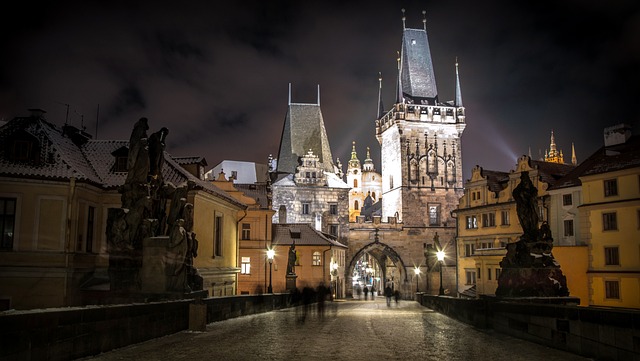
Prague: The Geographical Location Explained
Prague, renowned for its stunning architecture, rich history, and vibrant culture, is situated in Central Europe. Nestled in the heart of the continent, this enchanting city holds a strategic geographical position. Let’s delve into the distinctive features that categorize Prague as a Central European gem.
1. Location within the European continent: Prague is geographically located in the middle of Europe, making it a quintessential Central European destination. With its coordinates approximately at 50°05’N latitude and 14°25’E longitude, the city finds itself amid the vast landscapes of the continent.
2. Cultural and historical influences: Prague’s position within Central Europe has played a pivotal role in shaping its cultural and historical identity. The city proudly exhibits a unique blend of Western and Eastern European influences. Walking through its cobblestone streets, you’ll witness an amalgamation of architectural styles, from Gothic and Baroque to Art Nouveau and Cubist, reflecting the diverse cultural landscape of the region.
Explore the enchanting streets of Prague and you’ll find yourself surrounded by the harmonious fusion of Central European cultures. Embrace the grandeur of its historical landmarks, indulge in the rich culinary offerings, and immerse yourself in the vibrant atmosphere that makes Prague a truly geographically and culturally unique destination.

Prague: A City in Central Europe or Eastern Europe?
Prague, the enchanting capital of the Czech Republic, often sparks a geographical debate – is it located in Central Europe or Eastern Europe? Let’s delve into the geographical location of this historic city and shed some light on this intriguing question.
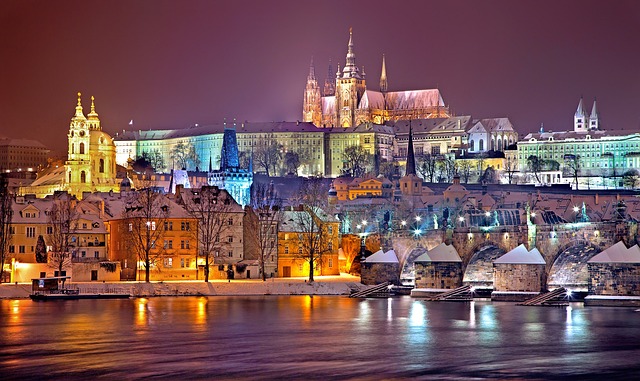
Located in the heart of Europe, Prague is undeniably a city in Central Europe. Throughout history, it has played a vital role as a crossroads between various cultures, further solidifying its position as a melting pot of influences from both the East and the West. Nestled on the banks of the Vltava River, Prague is surrounded by rolling hills that offer stunning panoramic views of the cityscape. Its strategic location along the trade routes has made it a key hub for commercial activities, attracting merchants, artists, and travelers from all over the world.
Despite being geographically central, Prague does have some eastern European influences. Its rich architecture, adorned with intricate details and steeped in history, exhibits a charming blend of Gothic, Baroque, and Renaissance styles. This fusion of architectural elements mirrors the diverse cultural tapestry that spans across both Central and Eastern Europe.
In conclusion, while the debate of Prague’s location continues, it is widely accepted that the city is situated in Central Europe. Its unique blend of cultural, architectural, and historical influences from both regions make Prague a fascinating destination that defies easy categorization. Plan a visit to this captivating city and witness firsthand the harmonious coexistence of Central and Eastern European flavors amidst its captivating cobblestone streets.
Understanding Prague’s Position: The Debate Unraveled
When it comes to Prague’s geographical position, the debate has been ongoing for years. Some argue that Prague is located in Central Europe, while others insist it falls under Eastern Europe. Let’s dig deeper and unravel this intriguing discussion.
1. Historical and Cultural Influences:
Prague, as the capital of the Czech Republic, showcases a unique blend of historical and cultural influences from both Central and Eastern Europe. Throughout history, Prague has experienced waves of political control and cultural exchanges from neighboring regions. This has contributed to the city’s rich and diverse heritage, further fueling the debate surrounding its precise geographical categorization.
- The Gothic architecture prominent in Prague’s stunning cathedrals draws influences from both Central and Eastern Europe.
- The diverse culinary landscape of the city is shaped by elements from both regions, including hearty Central European dishes and traditional Eastern European flavors.
- Prague’s complex language history incorporates elements from Germanic, Slavic, and Romance languages, reflecting its position as a linguistic crossroads between Central and Eastern Europe.
2. Political and Economic Factors:
Another aspect contributing to the dilemma is the country’s historical political and economic ties. While the Czech Republic, including Prague, was part of the Eastern Bloc during the Cold War due to its communist regime, it transitioned to a market economy and embraced democracy after the fall of the Iron Curtain. Today, the Czech Republic is an active member of the European Union, reinforcing its strong political and economic connections with Central Europe.
- Prague’s thriving tourism industry is often associated with its Central European counterparts, benefiting from its strategic location and excellent transportation links within the region.
- The Czech Republic’s membership in the Visegrád Group, comprising countries in Central Europe, further strengthens the Central European connection.
So, is Prague in Central or Eastern Europe? It is evident that Prague’s unique historical, cultural, political, and economic factors make it challenging to fit neatly into one category. The city’s true position lies at the intersection of these two regions, showcasing the best of both Central and Eastern Europe, making it a gem unlike any other.
Exploring the Historical Context: Prague’s Geopolitical Classification
Prague, the capital city of the Czech Republic, is a fascinating destination that often leaves travelers questioning its precise geopolitical classification. Situated in the heart of Europe, Prague’s strategic location has historically sparked debates on whether it belongs to Central or Eastern Europe. While opinions may vary, it is crucial to examine Prague’s geographical location to gain a better understanding of its classification.
1. Central Europe:
- In terms of geography, Prague lies in the western part of the Czech Republic, bordering Germany, Austria, and Slovakia.
- Central Europe is characterized by its historical ties to the Austrian Empire and its successor, Austria-Hungary, which influenced Prague’s architecture, cultural heritage, and traditions.
- Furthermore, Prague is further removed from the former Soviet Bloc countries which are typically associated with Eastern Europe.
2. Eastern Europe:
- Being located east of Germany, some argue that Prague can be classified as part of Eastern Europe.
- Historically, Prague experienced the impact of communist rule during the Cold War era, which aligns with the Eastern European countries under Soviet influence.
- However, Prague’s unmistakable Western European influence, evident in its vibrant arts scene, democratic values, and economic ties to the European Union, distinguishes it from the traditional Eastern European countries.
In conclusion, while the debate continues, Prague’s geopolitical classification leans more towards Central Europe due to its historical, cultural, and geographical ties with countries such as Germany and Austria. Nevertheless, it remains a unique blend of both Eastern and Western influences, contributing to its extraordinary charm and appeal as a destination.
Analyzing Prague’s Geographical Features: Insights into Central Europe
Prague, the capital city of the Czech Republic, is often a topic of debate when it comes to its geographical location. Situated in the heart of Europe, Prague possesses a unique blend of both Central and Eastern European influences. Geographically, Prague lies in the region of Central Europe, nestled between countries such as Germany, Austria, and Poland. Its strategic location on the banks of the Vltava River has played a crucial role in shaping its cultural and historical significance.
One of the key reasons why Prague is considered a part of Central Europe is its shared history with neighboring countries in the region. Throughout history, Prague has been the melting pot of various cultures, which has left a lasting impact on its architecture, art, and cuisine. The cityscape of Prague reflects a fusion of Gothic, Renaissance, and Baroque styles, showcasing the artistic richness this region is renowned for.
Moreover, Prague’s central location within Europe has made it a vibrant hub for trade, commerce, and cultural exchange. The city is a gateway to other major cities in the region, making it an ideal base for exploring the wonders of Central Europe. Whether you choose to wander through the quaint cobblestone streets of the historic city center, visit the iconic Prague Castle, or simply indulge in the local delicacies at one of the traditional Czech restaurants, Prague offers a perfect blend of medieval charm and modern comforts, making it a must-visit destination for both Central and Eastern Europe enthusiasts.
Delving into Prague’s Political and Cultural Influences: Hints of Eastern Europe
Located in the heart of Europe, Prague, the capital city of the Czech Republic, has long been a subject of geographical debate. Some argue that Prague belongs to Central Europe, given its proximity to countries such as Germany and Austria. However, others assert that the city’s historical, political, and cultural influences firmly place it within the boundaries of Eastern Europe.
While officially classified as part of the Central Europe region, Prague undeniably bears hints of Eastern European characteristics that have shaped its identity over the centuries. Here are some key factors that lend credence to Prague’s connection to Eastern Europe:
- Historical Background: Prague has a complex history, influenced by the Byzantine, Ottoman, and Austro-Hungarian Empires. These historical ties with Eastern European powers have left a lasting impact on the city’s architecture, traditions, and political landscape.
- Cultural Heritage: The cultural fabric of Prague is interwoven with Eastern European elements. From its rich folk traditions to its vibrant literature and renowned classical music composers like Antonín Dvořák, Prague showcases a fusion of both Central and Eastern European cultural influences.
- Political Affiliations: During the Cold War era, when Europe was divided into Eastern and Western Blocs, Prague found itself under the influence of the Eastern Bloc led by the Soviet Union. This period not only left a mark on Prague’s political structure but also shaped its societal dynamics and multiple aspects of everyday life.
Prague’s Strategic Positioning: Bridging Central and Eastern Europe
When discussing the geographical location of Prague, a commonly debated question arises: Is Prague in Central or Eastern Europe? Prague’s strategic positioning is indeed unique, as it acts as a bridge between the two regions. Geographically, Prague is situated in the western part of the Czech Republic, which is nestled right at the heart of Europe. This positioning allows Prague to serve as a crucial hub, connecting Central and Eastern European countries both culturally and economically.
While Central Europe generally refers to countries like Austria, Germany, and Poland, Eastern Europe encompasses nations such as Ukraine, Belarus, and Russia. Prague, being geographically closer to the center of Europe, is often categorized as part of Central Europe due to its historical and cultural ties. However, it also shares some characteristics with Eastern European countries, like its Slavic roots and the influence of the former Soviet Union.
Moreover, Prague’s strategic location played a significant role throughout history, as it has been a meeting point for different cultures, enabling the exchange of ideas, goods, and traditions. This vibrant mix is evident in the city’s architecture, which showcases Gothic, Baroque, Renaissance, and Art Nouveau styles. Additionally, Prague’s central position has made it a popular tourist destination and a favorable location for international businesses to establish their presence in both Central and Eastern Europe. Therefore, considering Prague’s historical, cultural, and geographical context, it is safe to say that it truly bridges Central and Eastern Europe, embracing the best of both worlds.
Considering Prague’s Historical Division: A Tale of Two Europes
Prague, the enchanting capital of the Czech Republic, often sparks a debate about its geographical classification. Situated in the heart of Europe, this historic city’s location has long been a subject of contention. While some argue that it falls within Central Europe, others firmly place it in Eastern Europe. So, what is the truth behind Prague’s classification?
Geographically speaking, Prague is nestled in the Western part of the Czech Republic, with the Vltava River gracefully meandering through its picturesque streets. However, labeling Prague solely as a Central European city would oversimplify its complex historical background. This vibrant metropolis has been shaped by a blend of influences from both Central and Eastern Europe, creating a fascinating intersection of cultural heritage. From the majestic Gothic architecture reminiscent of Central Europe to the vibrant energy reminiscent of Eastern Europe, Prague embodies a unique fusion of these two distinct regions.
One cannot discuss Prague’s historical division without acknowledging the impact of the Iron Curtain that once divided the continent. During the Cold War era, the city found itself situated behind the Iron Curtain, a symbol of the political and ideological divide between Western and Eastern Europe. This division left its mark on Prague, as it experienced the influences of both worlds. Today, as a member of the European Union and NATO, Prague has opened its arms to the global community while still cherishing its rich history. Whether you consider Prague as Central or Eastern Europe, one thing is certain – it remains a captivating destination that showcases the best of both worlds.
Geographical Classification of Prague: Expert Recommendations
When it comes to the geographical classification of Prague, there has been a long-standing debate whether the city falls under Central or Eastern Europe. While some argue for its Central European connection, others make a case for its inclusion in Eastern Europe. To shed some light on this topic, we consulted with geographical experts and here are their recommendations:
1. Historical Factors:
- Prague has a rich history that dates back over a thousand years, with influence from various cultures and rulers.
- It served as the capital of the Kingdom of Bohemia and played a significant role in shaping Central Europe.
- During the Cold War era, Prague was situated behind the Iron Curtain, strengthening the argument for its classification as part of Eastern Europe.
2. Cultural and Geographical Influences:
- Culturally, Prague shares similarities with other Central European countries, such as Austria, Germany, and Poland.
- The city is located in the heart of Europe, making it easily accessible from both Central and Eastern European countries.
- Geographically, Prague lies on the western side of the Czech Republic, close to the borders of Germany and Austria, which further supports its classification as Central European.
Based on these considerations, while Prague’s location and historical ties may suggest associations with both Central and Eastern Europe, experts generally recommend classifying the city as part of Central Europe due to its cultural, historical, and geographical characteristics.
Determining Prague’s Geographical Identity: The Final Verdict
After much debate and speculation, it is time to settle the long-standing question: Is Prague in Central or Eastern Europe? Determining Prague’s exact geographical identity has been a topic of contention among scholars and geographers for years. While it is true that Prague lies in close proximity to both regions, the final verdict definitively places this enchanting city within the scope of Central Europe.
Geographically, Prague is located at the heart of Europe, nestled along the banks of the Vltava River. Its position makes it an important crossroads and melting pot of various cultures and influences. Here are some key factors that solidify Prague’s place in Central Europe:
- Cultural Heritage: Prague showcases a rich cultural heritage that aligns more closely with Central European nations. From its stunning Gothic and Baroque architecture to its classical music tradition and literary contributions, Prague embodies the essence of Central Europe.
- Historical Connections: Over the centuries, Prague has been at the center of key historical events that forged Central European identity. It was the capital of the Kingdom of Bohemia, an integral part of the Holy Roman Empire, and later the Czechoslovakian heartland.
- Regional Associations: Prague is a member of the Visegrád Group, an alliance of Central European countries that promotes cultural cooperation and economic development within the region.
In conclusion, while Prague’s location may blur the lines between Central and Eastern Europe, an examination of its cultural heritage, historical significance, and regional associations firmly places it within Central Europe. Embark on a journey to this captivating city and experience the unique blend of Central European charm that Prague has to offer.
In Retrospect
In conclusion, the geographical location of Prague has sparked an ongoing debate regarding whether it belongs to Central or Eastern Europe. While there is no definitive answer, understanding the historical and cultural context can shed light on the matter.
Key Takeaways:
1. Geographically, Prague is located in the western part of the Czech Republic, near the border with Germany.
2. Historically, Prague has been a significant city within the region for centuries, connecting both Central and Eastern European influences.
3. From a cultural perspective, Prague embodies a blend of various influences, reflecting both Central European and Eastern European characteristics.
4. The categorization of Prague as either part of Central or Eastern Europe can vary depending on geopolitical, historical, or cultural perspectives.
5. Ultimately, it is important to recognize that Prague’s location cannot be easily confined to a specific region, as it represents a unique blend of different cultural and historical elements.
While it may be debated whether Prague is in Central or Eastern Europe, one thing is certain—the city’s rich history and unique location make it a truly fascinating destination.