Is Czech Republic Atheist? Religious Perspectives
The religious landscape in the Czech Republic has long been a subject of intrigue, with its historical ties to the Catholic Church and the rise of atheism in recent years. In this article, we delve into the question of whether the Czech Republic is truly an atheist nation or if there are any religious perspectives that thrive within its borders. By exploring the country’s past and present, we aim to shed light on the complex relationship between faith and non-belief in this intriguing Central European nation. So, let’s embark on a journey to unravel the religious tapestry of the Czech Republic and uncover the various perspectives that shape its religious identity.
The Religious Landscape of the Czech Republic: Understanding the Nation’s Atheistic Perspective
The Czech Republic has often been portrayed as one of the most atheistic nations in the world. While it is true that a significant portion of the population identifies as atheist or non-religious, it is important to understand the historical and cultural factors that have shaped the religious landscape of this nation.
1. Historical Context:
– The Czech Republic has a long history of religious diversity, with Protestantism gaining popularity during the Reformation period in the 16th century.
– The country has also experienced a tumultuous relationship with the Catholic Church, as it was under Habsburg rule for centuries, imposing Catholicism on the population.
– The era of communism (from 1948 to 1989) played a significant role in fostering atheistic beliefs, as the government actively discouraged and oppressed religious practices.
– After the fall of communism, there was a resurgence of religious freedom, allowing individuals to explore a variety of beliefs, including atheism.
2. Cultural Factors:
– Czech society places a strong emphasis on education and science, which has contributed to a skeptical attitude towards religious dogma.
– The influence of Western European secularism, as well as a growing trend of individualism, has further contributed to the rise of atheism in this nation.
– Many Czechs perceive religious institutions as being disconnected from their daily lives, leading them to prioritize personal experiences and secular values over religious beliefs.
– It is worth noting, however, that despite the significant number of atheists, there is still a minority of Czech citizens who identify with different religious traditions, such as Catholicism, Protestantism, or minority faiths like Judaism or Islam.
Given the historical and cultural context, it is understandable why the Czech Republic has become synonymous with atheism. However, as with any nation, the religious landscape is multifaceted and diverse. This understanding allows us to appreciate the complexities of Czech society and respect the choices individuals make when it comes to matters of faith.
1. A Historical Overview: Tracing the Roots of Atheism in the Czech Republic
****
The Czech Republic, a land steeped in rich history and cultural diversity, has a fascinating religious landscape that spans centuries. While the majority of its population identify as atheists today, it is essential to delve into the historical context to understand the roots and evolution of atheism in this captivating country.
1. **Religious Renaissance:** The seeds of atheism in the Czech Republic were sown during the religious reformation that swept across Europe in the 16th century. Protestant movements, such as Hussitism and the influence of Martin Luther, challenged the dominant Catholic Church. These religious upheavals paved the way for critical thought and skepticism towards traditional religious beliefs, leading to the emergence of atheistic ideas.
2. **Enlightenment Era:** The Enlightenment period in the 18th century further propelled the growth of atheism in the Czech Republic. Prominent philosophers like Voltaire, Rousseau, and Diderot influenced Czech intellectuals, kindling debates on reason, science, and the role of religion in society. This era saw an increase in religious skepticism, as individuals sought answers beyond dogma and authority. Intellectual circles embraced atheistic views, nurturing a fertile ground for the blossoming of Czech atheism.
As we dive into the intriguing history of atheism in the Czech Republic, it becomes evident that the path to a predominantly atheistic society was shaped by a complex interplay of historical, social, and intellectual factors. Understanding these roots not only sheds light on the current religious perspectives in the country but also unravels the intricate tapestry of Czech identity. Stay tuned as we further explore the diverse religious landscape and the impact it has on the lives of individuals in the Czech Republic.
2. The Current Religious Composition: Analyzing the Decline in Religious Affiliation
The Czech Republic has long been known for its relatively high atheist population, which has seen a steady increase over the years. According to recent statistics, the country’s religious landscape has significantly transformed, with a decline in religious affiliation becoming more apparent. This phenomenon can be attributed to a combination of historical factors, societal changes, and increasing secularization.
One of the primary reasons behind the decline in religious affiliation is the historical context of the Czech Republic. During the communist era, religion faced heavy persecution, causing many people to abandon their faith or refrain from identifying with a religious group. This legacy still lingers, and as a result, a sizable portion of the population remains atheistic or unaffiliated. Additionally, Czech society has experienced significant modernization and urbanization, resulting in a shift towards more secular values. As individuals have become more educated and exposed to diverse beliefs, they have become increasingly skeptical of traditional religious institutions and have turned towards alternative worldviews.

3. Factors Influencing Czech Atheism: Social, Political, and Cultural Perspectives
In the Czech Republic, atheism is a prevalent belief system, with a significant number of individuals identifying as atheists. Several factors contribute to the high levels of atheism in the country, including social, political, and cultural perspectives.
Social Factors:
- The Czech Republic has a long history of secularism and skepticism towards organized religion. This skepticism has been ingrained in the society over generations, leading to a general acceptance of atheism.
- Social influences, such as education and family values, also play a vital role. Progressive educational institutions and a focus on critical thinking have contributed to the rise of atheism among young people. Additionally, Czech families often prioritize personal freedom and individual autonomy, leading to a higher likelihood of adopting atheism.
Political Factors:
- The country’s historical political evolution, including periods of communist rule, has shaped Czech society’s perception of religion. During the communist era, religious institutions were heavily controlled and suppressed, strengthening the secular mindset and resulting in many Czechs rejecting religion even after the fall of communism.
- Modern political policies in the Czech Republic also reflect the influence of secularism. The state is officially neutral in religious matters, and there is a separation between church and state. This separation further reinforces the prevailing atheist sentiment in the country.
Cultural Factors:
- Czech culture places a strong emphasis on rationalism and intellectual pursuits. This cultural inclination towards reason and evidence-based thinking aligns with atheistic beliefs, as they often reject religious faith based on empirical evidence.
- The country’s cultural history, including its literary and artistic traditions, has also contributed to the prevalence of atheism. Influential Czech thinkers and writers, such as František Palacký and Karel Čapek, have expressed critical views towards religion, shaping public discourse and reinforcing atheistic perspectives.

4. Religious Freedom in the Czech Republic: Examining the Legal Framework
In the fascinating world of religious diversity, the Czech Republic stands out as an intriguing case study. Despite being considered one of the least religious countries in Europe, it proudly upholds the principle of religious freedom within its legal framework. The Czech Constitution guarantees freedom of religion and belief, thereby allowing individuals to practice any faith or none at all. This staunch commitment to secularism has resulted in a distinctive landscape where atheism flourishes alongside various religious communities.
As a predominantly atheist country, the Czech Republic offers a unique vantage point to understand the dynamics of religious coexistence. Churches in the country hold a symbolic rather than religious significance, with many of them transformed into art galleries or concert halls. Nonetheless, the government supports religious institutions through tax exemptions and financial allocations for cultural preservation. Despite the dominance of atheistic viewpoints, there is a rich tapestry of religious diversity that exists, with Protestant, Roman Catholic, and Orthodox Christian communities thriving alongside smaller religious groups such as Buddhism and Islam. This vibrant tapestry is a testament to the Czech Republic’s belief in individual freedom and the power of coexistence.

5. The Role of Atheism in Czech Society: Impacts on Education, Politics, and Public Life
Czech Republic has witnessed a steady rise in atheism over the past decades, establishing itself as one of the most secular countries in the world. This shift in religious beliefs has left a profound impact on various aspects of Czech society, including education, politics, and public life.
One of the prominent impacts of atheism on education in Czech society is the emphasis on scientific and evidence-based learning. With a majority of the population identifying as non-religious, Czech schools often prioritize critical thinking, rationality, and skepticism. This approach encourages students to question religious dogmas, fostering intellectual independence and a pursuit of knowledge without traditional religious influences. As a result, Czech students are more likely to develop a scientific mindset, base their beliefs on empirical evidence, and approach religious topics with a critical lens.
- Education: Czech schools prioritize critical thinking and evidence-based learning, encouraging students to question religious dogmas and develop a scientific mindset.
- Politics: Atheism has had a notable impact on politics in Czech society, with the country boasting a large number of atheist politicians. This has led to policies that promote secularism and separate religion from the state. The influence of atheism can be seen in legislation relating to issues such as same-sex marriage, reproductive rights, and the role of religion in public institutions.
In addition to education and politics, atheism also shapes public life in the Czech Republic. The absence of dominant religious institutions allows for a greater degree of individual freedom and the flourishing of diverse worldviews. Public discussions and debates on moral, ethical, and social issues are often conducted without the influence of religious dogmas, providing a platform for various perspectives and fostering a pluralistic society that respects personal beliefs.
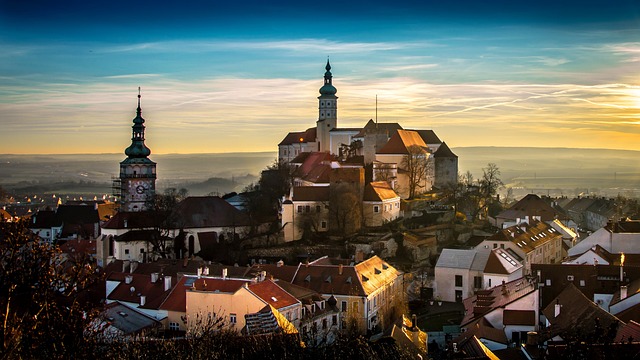
6. The Czech Republic’s Relationship with Religion: A Fine Balance between Tradition and Secularism
In discussing the Czech Republic’s relationship with religion, it becomes apparent that the country embraces a delicate balance between tradition and secularism. While the Czech Republic is often characterized as one of the most atheist countries in the world, it is important to approach this topic with nuance and understanding. Religion does indeed hold significance in Czech society, albeit in a different manner than in other countries.
1. Religious Landscape: Despite the high percentage of individuals identifying as non-religious or atheists, Christianity remains the predominant religion in the Czech Republic. The two main denominations are Roman Catholicism and Protestantism, with a rich history and cultural influence. Nevertheless, it is worth noting that religious practices and attendance are relatively low, reflecting the country’s pragmatic and secular values.
2. Secularism and Freedom of Belief: The Czech Republic takes pride in its long-standing tradition of religious freedom and separation of church and state. This commitment to secularism can be traced back to historical events and the legacy of the Czech Reformation. Consequently, the government and legal framework firmly protect individuals’ rights to believe or not to believe, ensuring a diverse religious landscape where people are free to explore and practice their faith, or lack thereof.

7. Religious Diversity in Urban versus Rural Areas: Uncovering the Disparities
When it comes to religious diversity, there are intriguing disparities between urban and rural areas in the Czech Republic. In urban cities like Prague, the religious landscape is notably more diverse compared to rural regions. Prague, being the capital and the country’s largest city, attracts people from various cultural backgrounds and beliefs, resulting in a rich tapestry of religious perspectives.
In urban areas, it is common to find a mix of religious affiliations such as Christianity, Islam, Judaism, Buddhism, and even smaller religious communities. The presence of different places of worship like churches, mosques, synagogues, and temples signifies the thriving religious diversity within urban cities. Moreover, urban areas often host interfaith events, dialogues, and celebrations where people from different backgrounds come together to share and learn from one another’s beliefs and traditions. This cultural exchange fosters understanding, acceptance, and respect among diverse communities, creating a vibrant religious environment.
8. Promoting Interfaith Dialogue: Cultivating Tolerance in Czech Society
Is Czech Republic Atheist? Religious Perspectives
When discussing the religious landscape in the Czech Republic, it is important to note that while the country is known for its high rates of atheism, it is not accurate to label it as completely atheist. While a significant percentage of the population identifies as non-religious or atheist, religion still plays a role in the lives of many Czechs.
In the Czech Republic, Roman Catholicism remains the largest religious denomination, with a considerable number of citizens still practicing the faith. The country is also home to various Protestant churches, including Hussites, Lutherans, and Reformed Christians. Additionally, other religious communities such as Orthodox Christians, Jews, Muslims, and Buddhists have a presence in the country, albeit smaller in number.
Interfaith dialogue plays a critical role in promoting tolerance and understanding in Czech society. By fostering conversations and open-mindedness among individuals from different religious backgrounds, it helps break down stereotypes, diminishes prejudices, and encourages mutual respect. Emphasizing the shared values of compassion, empathy, and respect for human dignity can bridge the gap between different belief systems and contribute to a more harmonious and inclusive society.
In order to cultivate a culture of tolerance, it is vital to acknowledge and appreciate the diversity of religious perspectives within the Czech Republic. By creating spaces for interfaith dialogue, promoting mutual understanding, and safeguarding the rights of all religious communities, Czech society can pave the way for peaceful coexistence and a thriving pluralistic environment.
9. Recommendations for Encouraging Open Dialogue on Atheism in the Czech Republic
If you’re curious about the religious landscape in the Czech Republic, you may be intrigued to discover that it is often considered one of the most atheistic countries in the world. With a rich history of skepticism and secularism, the Czech Republic has witnessed a decline in religious affiliation over the past decades. However, despite this prevalent atheistic outlook, it is crucial to support open dialogue and understanding on atheism to foster inclusivity and respect towards all religious perspectives.
To encourage open dialogue on atheism in the Czech Republic, we recommend the following approaches:
- Educational Initiatives: Promote courses and seminars that provide factual information about atheism, its philosophical underpinnings, and its historical context. By offering a platform for informed discussions, individuals can develop a better understanding of atheism and its significance in the Czech Republic.
- Interfaith Collaborations: Encourage partnerships between different religious and non-religious communities to facilitate open dialogue. Through joint initiatives, such as interfaith forums or panel discussions, diverse perspectives can be shared and mutual respect can be fostered, ultimately leading to a more tolerant and inclusive society.
- Media Representation: Advocate for balanced media coverage regarding atheism, ensuring that it is portrayed objectively and free from prejudice. By providing accurate information and addressing misconceptions, it becomes possible to reshape public perception and promote a more open and respectful discussion on atheism.
10. Nurturing a Balanced Outlook: Embracing Religious Pluralism and Atheistic Perspectives
In recent years, the religious landscape in the Czech Republic has undergone significant transformation, leading to an intriguing blend of religious pluralism and a rise in atheistic perspectives. While historically rooted in Catholicism, the country has experienced a decline in religious affiliation, with a growing number of people identifying as atheists or having no religious preference. This dramatic shift has influenced social attitudes, public policy, and the overall perception of religion in Czech society.
Religious pluralism in the Czech Republic is characterized by the coexistence of various religious beliefs and practices. Aside from Catholicism, other religious denominations such as Protestantism, Judaism, and Evangelicalism are present. Moreover, the country has also witnessed the emergence of alternative spiritual movements and New Age philosophies as part of its diverse religious landscape. Atheistic perspectives, on the other hand, have become increasingly prevalent, with many Czechs adopting a secular approach to life and asserting their non-belief in any higher power. This growing secularization has paved the way for religious freedom, tolerance, and open discussions about different worldviews.
- Religious pluralism in Czech society is evident in the existence of various religious denominations.
- Atheism in the Czech Republic is on the rise, contributing to a more secular understanding of life.
- Czechs embrace religious freedom, nurturing an environment where different perspectives can coexist peacefully.
As Czech society evolves and embraces diverse religious and non-religious outlooks, it is essential to foster a balanced understanding and respect for each other’s beliefs. By promoting interfaith dialogue, encouraging the exploration of philosophical questions, and acknowledging the diversity of spiritual journeys, Czech citizens can continue to shape a society that values religious pluralism while also respecting atheistic perspectives. This ongoing process of self-reflection and understanding is crucial for building a harmonious and inclusive community that celebrates the richness of differing worldviews.
In Retrospect
In conclusion, the Czech Republic is often considered one of the most atheistic countries in the world. While the majority of Czechs identify as atheists or non-religious, it is important to acknowledge the historical factors and cultural influences that have contributed to this perspective. The centuries-long history of religious conflicts, the influence of communism, and the emphasis on scientific progress and critical thinking have all shaped the religious landscape of this central European nation.
Despite the prevailing atheistic sentiment, it is crucial to note that religion still holds some significance in Czech society, with a small but notable portion of the population adhering to various faiths. Moreover, religious freedom is guaranteed by law, and the Czech Republic remains a tolerant and diverse society when it comes to matters of belief.
As we delve into the religious perspectives in the Czech Republic, we must remember that individual beliefs and attitudes towards religion can be complex and multifaceted. While atheism may dominate statistically, it is important to approach this topic with an open mind and respect for the diversity of religious viewpoints that exist within this fascinating country.